Libertalia 3 Years Later…

Three years ago, at the time of this writing, I published my book titled “Libertalia: Stealing Equality.” It documented my travels to Madagascar and my search for lost pirate havens, culminating in my search for the legendary lost pirate city of Libertalia. That expedition taught me a lot about the pirates who fought for more than riches; they fought for equality among men. Believing the merchant class tycoons and government figures had created an unfair system to benefit them at the cost of everyone else, they targeted those vessels to send a message.
With their ill-gotten gains, they attempted to build new settlements, intertwining with the indigenous Malagasy people. Marrying Queens and village maidens alike, with the help of these resilient people, they formed new settlements and gave birth to mixed-race heroes that are still celebrated by the locals today.
That book stood as a testament to the determination of those European sailors and the indigenous people of Madagascar; however, it also served as a warning. Those who fail to learn from history are doomed to repeat it. I am an advocate of peace wherever possible. To live and let live. Though when the scales of equality turn too far in one side's favor, the result is predictable when looking through the lens of history.
The first symptoms are a sudden hike and rise in prices and a freeze or even drop in wages. Unemployment rises, and the downtrodden strike. Does any of this sound familiar? Sailors from the age of piracy actually coined the term “strike.” It referred to them striking or “lowering” the sails in an act of defiance, saying no, we aren't going anywhere to the merchant captain. Next comes increased crime, robbery, and looting. But these are just symptoms of the disease. When it has been allowed to spread, grow, and fester, it becomes terminal. Then, desperate times call for desperate measures.
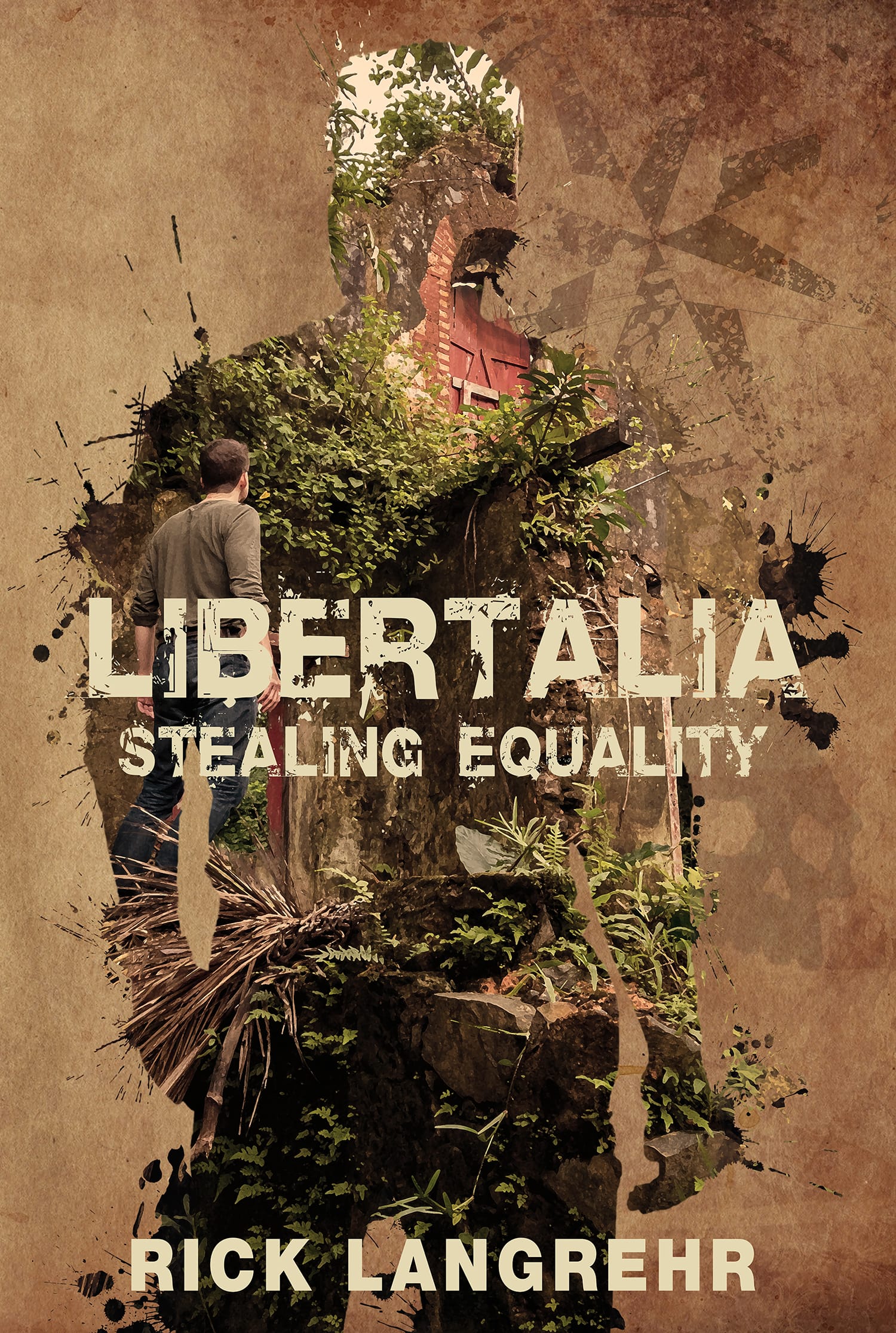
I predicted in my book that it was only a matter of time before a new generation of “pirates” emerged to take on those in power, and when they did, it wouldn’t be subtle; it would be violent and immediate. That was in 2022. Welcome to 2025. I hate to say it, but I told you so.
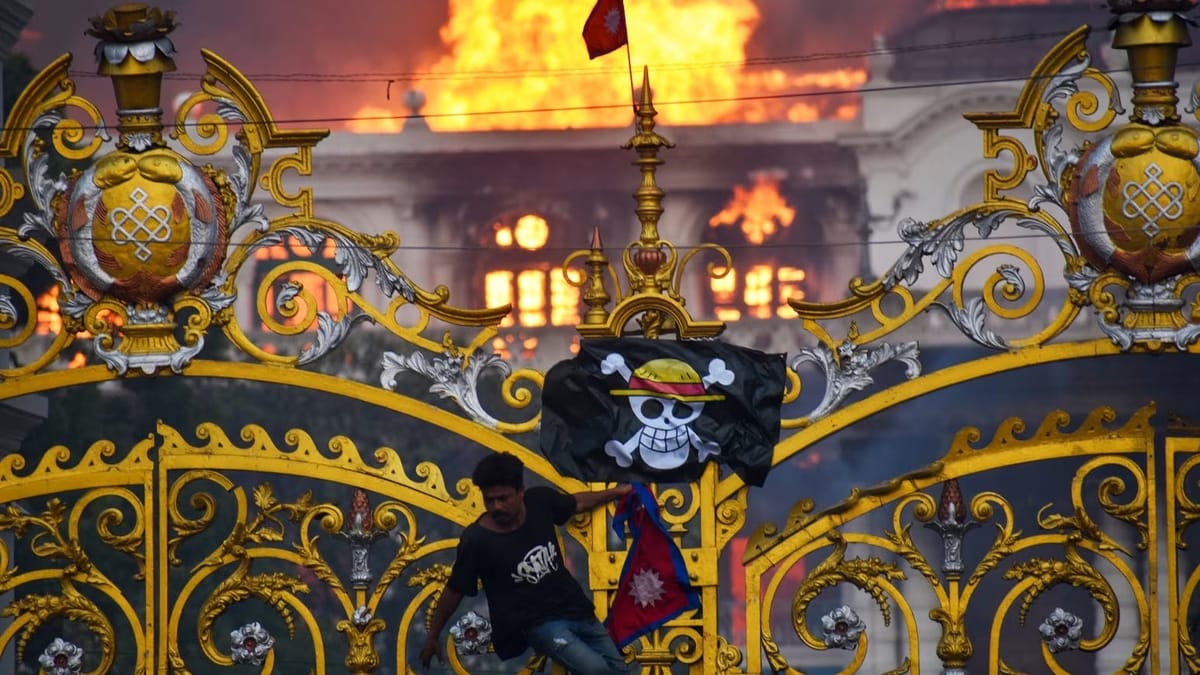
It’s strange to watch that intuition I had take shape in the real world, and the parallels are not even remotely subtle. This year, young people around the globe are rallying behind the Jolly Roger from the anime One Piece. It is a fictional pirate flag that’s somehow become a shorthand for resistance, anti-corruption, and the belief that ordinary people deserve a fairer hand.
In Nepal, that symbol has been carried through the streets by students frustrated with corruption, cronyism, and broken promises. They've adopted the Straw Hat pirate flag not because they want chaos, but because it represents something their actual institutions no longer provide: unity under a banner of chosen family rather than inherited power. It’s a way of saying, “If the people supposed to protect us won’t live by their own rules, we’ll make our own crew.” The flag was flown on the gates of Nepal’s government complex before the building was burnt to the ground. The youth of Nepal were successful in their attempt to overthrow the government and appoint a ruler of their choosing. Her name is Sushila Karki, a former Chief Justice known for her fight against corruption.
Though it’s not just a symbol in Nepal, this variation of the Jolly Roger has been seen at protests in Indonesia, the Philippines, France, Peru, Morocco, the United States, and closer to its symbolic home, Madagascar. In Madagascar, anti-government protests began over water and electricity shortages, along with corruption and neglect. As the protests escalated, the military made the decision to refuse the orders they were given; they informed the government that they would not fire on the demonstrators. This coup resulted in the impeachment of President Andry Rajoelina.
What fascinates me is that these protestors are unknowingly using a fictional anime symbol, historically tied to a pirate sect that fought for the same liberties. A modern piece of fiction that feels more honest than reality. They aren’t flying the flag of a nation, they’re flying the flag of a crew. And maybe that’s the truest expression of this moment: the world is changing so fast that young people are choosing a narrative they trust over institutions they don’t.
In Nepal, at least 72 people died, and another 22 in Madagascar. These were protestors and civilians. This new generation isn’t looking for bloodshed. They’re looking for belonging, fairness, and the courage to carve out a better future. The youth in Nepal and Madagascar are applauded by their people. Many of the protests in other parts of the world are ongoing. The ones who lose will be deemed terrorists by their governments. The ones who succeed will be called heroes by their peers. Which leads me to lesson two: history is written by the victors.