Secret Santa and the Oak Island Mystery

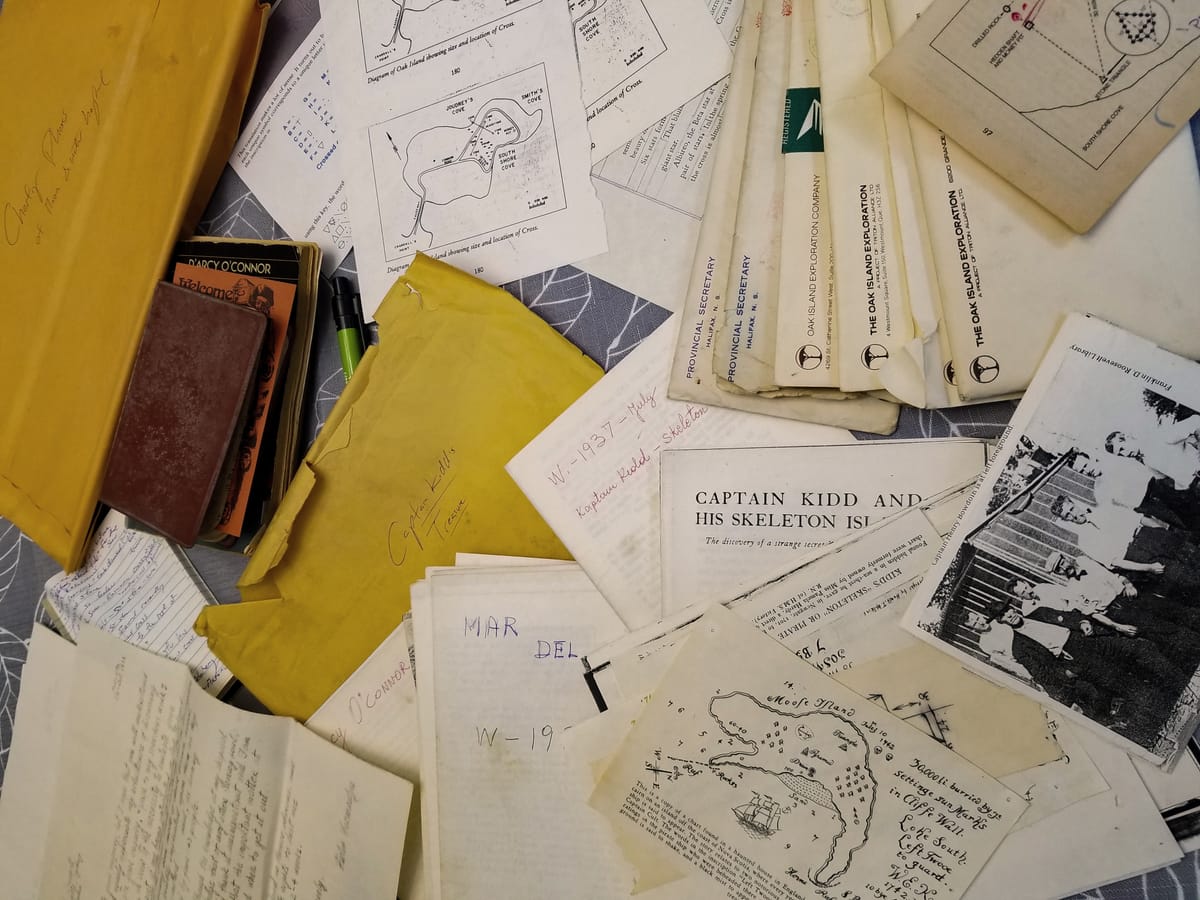
We have all experienced it. The company Christmas party, secret Santa gift exchange. Usually, you get a gift card, themed socks, or maybe a nice coffee mug. I had drawn Terrance’s name. A guy who was a bit of a prepper. The survivalist type. I got him a flint and steel, and I personally handcrafted a leather pouch for him to carry it in. I figured, as far as Santas go, I had nailed it. I assumed I had gone to the most extraordinary lengths to personalize my gift based on the recipient's personality. Boy, was I wrong.
A co-worker named John had drawn my name. Lucky for me, John had taken quite an interest in my expeditions and treasure hunting endeavors. Even though John wasn’t personally into those sorts of things, he could see my genuine passion for history and always encouraged it. What I didn’t know was that John had been holding on to a secret, quite literally, for several years.
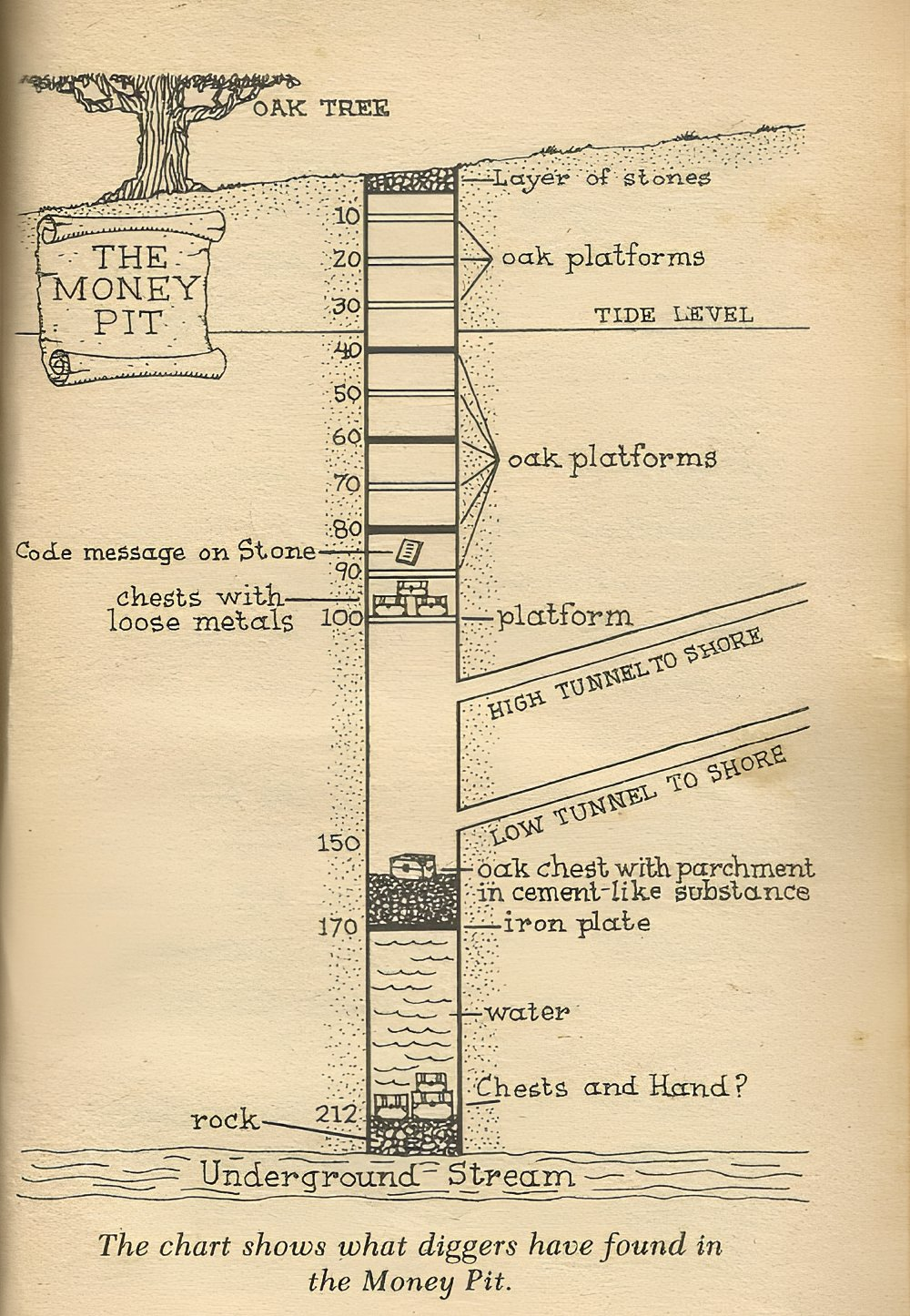
John’s stepfather, as it turned out, was a kindred spirit. His obsession had always been the Oak Island treasure mystery. Oak Island is a small island off the coast of Nova Scotia near Mahone Bay. In 1795, a teenager found a depression on the island, along with a block-and-tackle setup near an oak tree, indicating that a deep hole had been dug there. The teen came back with friends, and as they dug, they found platforms made of logs and coconut fiber, which were not native to the island. At 90 feet, they found a coded stone widely believed to read: “Forty feet below, two million pounds are buried.” From that point on, the search for the Oak Island treasure was underway. Many people have gone looking for, or invested in the search—people like Errol Flynn, John Wayne, and John’s stepfather.
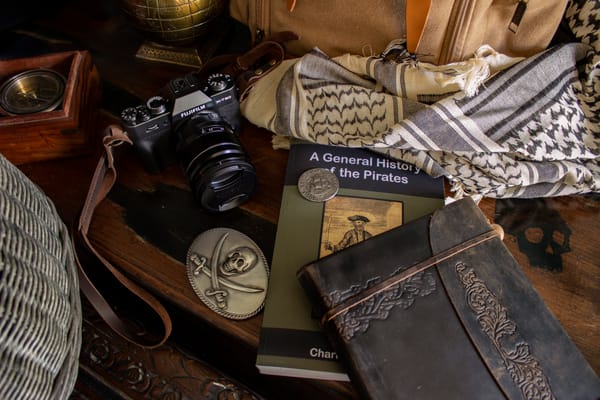
After Terrance had opened the gift I had for him, which he liked quite a bit, it was my turn. John handed me a fairly heavy, large, poorly wrapped package. This was no box; it was oddly shaped and thoroughly covered in multiple layers of paper to disguise what was inside. I gave John a quizical look and tore into it. Underneath the paper, I found a dusty, old, mangled doctor’s bag. Its brown leather surface was discolored and cracked, and half of the top handle had broken off completely. Now more curious than ever, I opened the case and peered in. The smell of old paper and mildew hit me as I looked at its contents. The case was filled with old documents, now yellowed with age.
I looked up at John, forced a smile, and said, “Thanks,” questioningly. I could tell John was loving this. As I started to rifle through the papers, I came across old letters made out to the Oak Island Exploration. That gave me my first hint of what this really was. John explained that his stepfather entrusted him with his Oak Island research on his deathbed. John had obliged and kept it safe for years, but without a shared passion for the historical material, he didn't know what to do with it. Once he met me, he explained that he felt the documents would best honour his father by being passed on to me. I was, of course, honoured by the gesture and instantly felt a weight of responsibility to see this through.
Back home, I laid out all the materials, looking for a journal entry or letter explaining the man’s theories, but all I found were cryptic bits of research. John’s stepfather wasn’t going to make this easy. The letters he had sent to Triton Alliance, which at that time oversaw the Oak Island Exploration, were filled with claims that he knew how to access the treasure, though they provided no explanation as to how. It was clear he was clinging to his theory and might have taken it to the grave with him, out of a need for secrecy. I then viewed the documents in the case as puzzle pieces with no accompanying picture. I was going to have to work backwards from the bits of research he had chosen to save in order to discover what his theory was.
His focus seemed to keep coming back to the flood tunnels. You see, at a certain depth, the original tunnel had flooded. Many attempts had been made to dig other tunnels, though, as if a trap had been triggered, they too suddenly flooded. The initial thought is hitting groundwater, but in recent years, man-made water shafts have been found throughout the island. The research in the case was keeping track of a lunar calendar and how the tides affected the island, more specifically, how they may interact with a complex water trap. His theory was that there were specific windows of time during which you could dig without flooding the tunnels.
Now, the truth is, I’ve never been one to follow other people’s solves. So, of course, while I was reverse engineering the clues in the case, I was also coming up with my own theories. However, his research had influenced me. With all the talk of tides and moons, it made me look up.
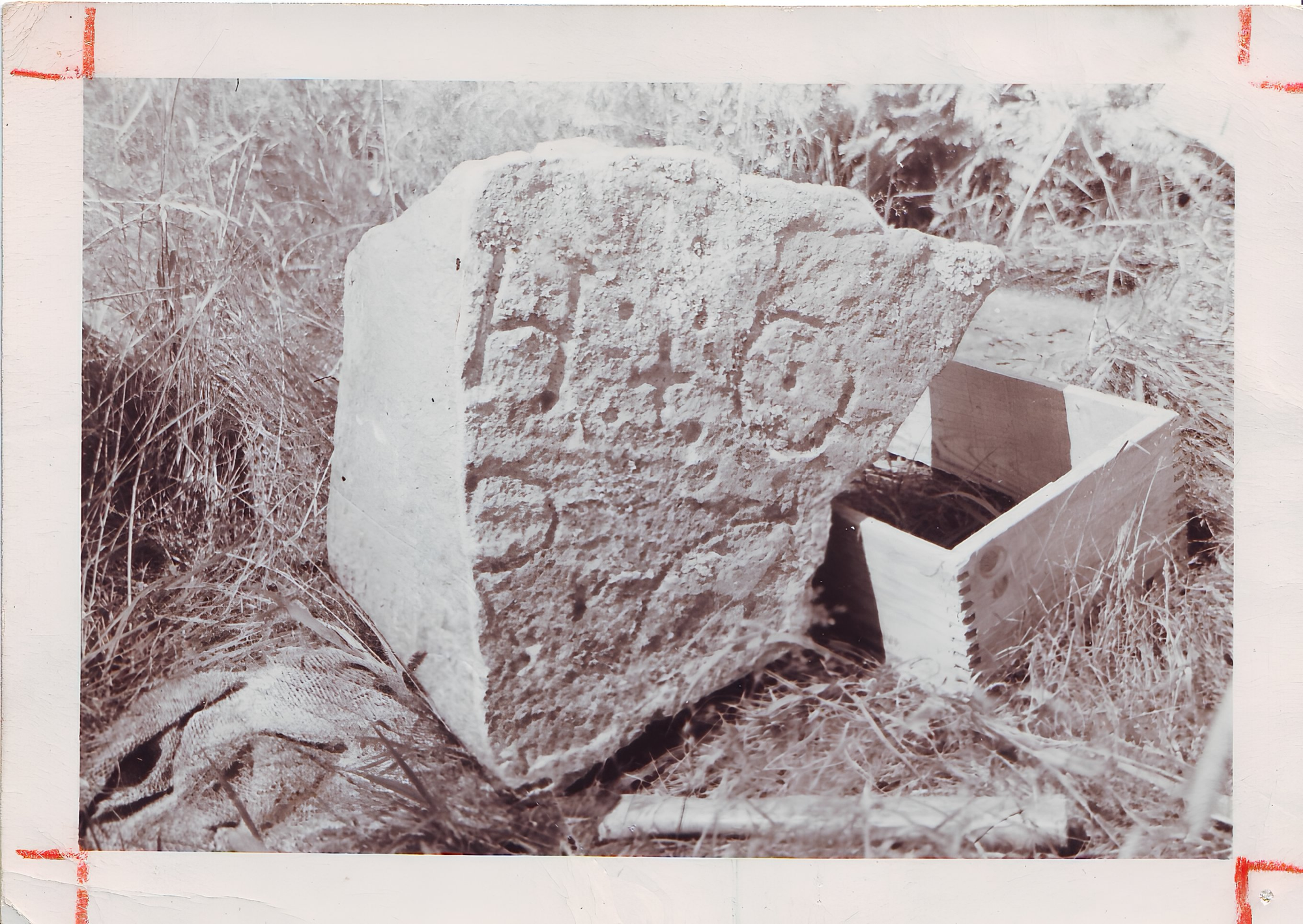
A famous feature of Oak Island is the discovery of stone boulders, which form what is now known as Nolan’s Cross. These stones are laid out in a crucifix pattern over the island, which seems to indicate that the early visitors on the island were of a Christian faith. Another famous find is known as the H+O stone. A large broken stone with an H and an O carved into it. The O has a dot in its center, which is telling. Putting these two features together, a light bulb went off in my head.
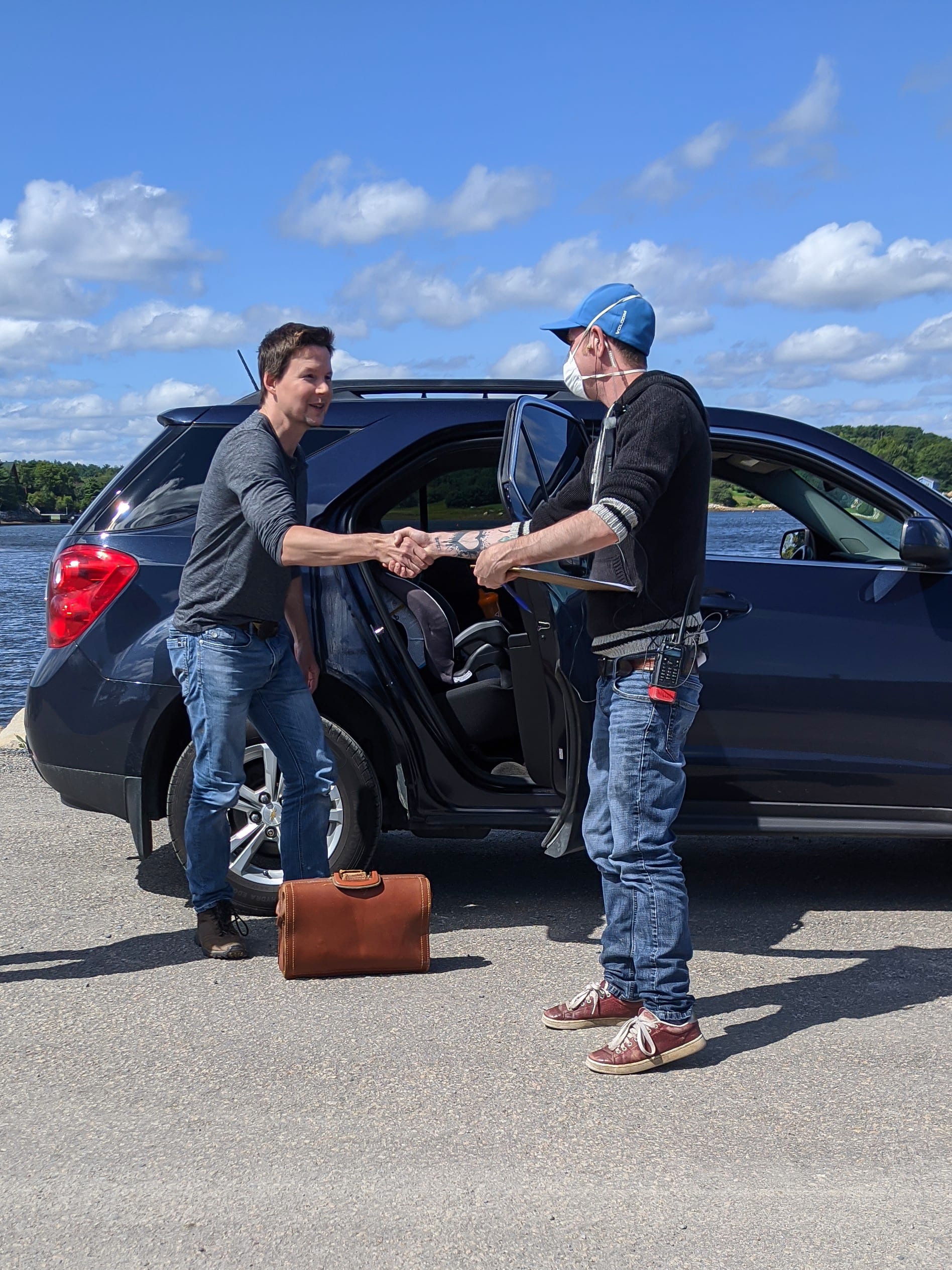
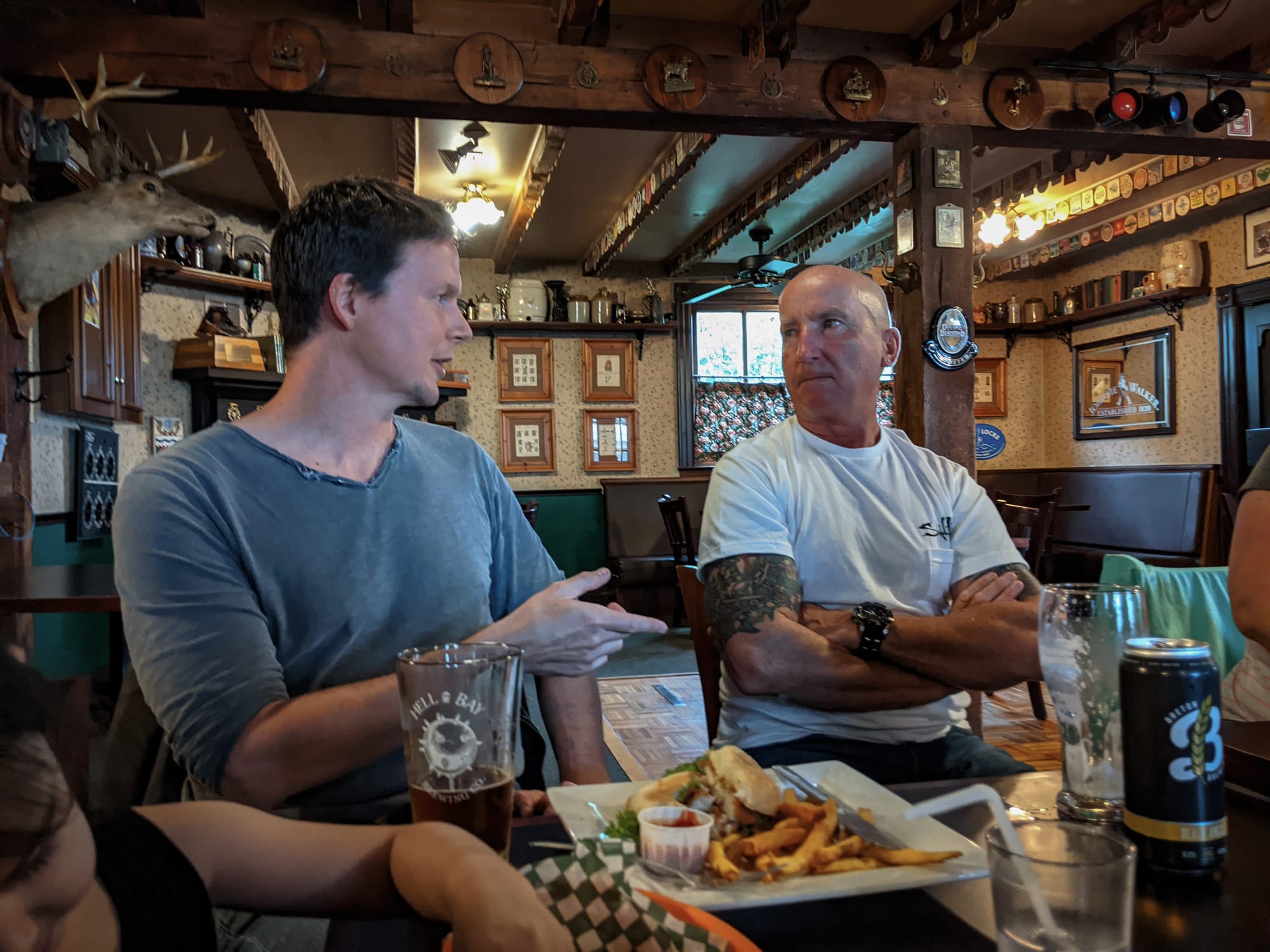
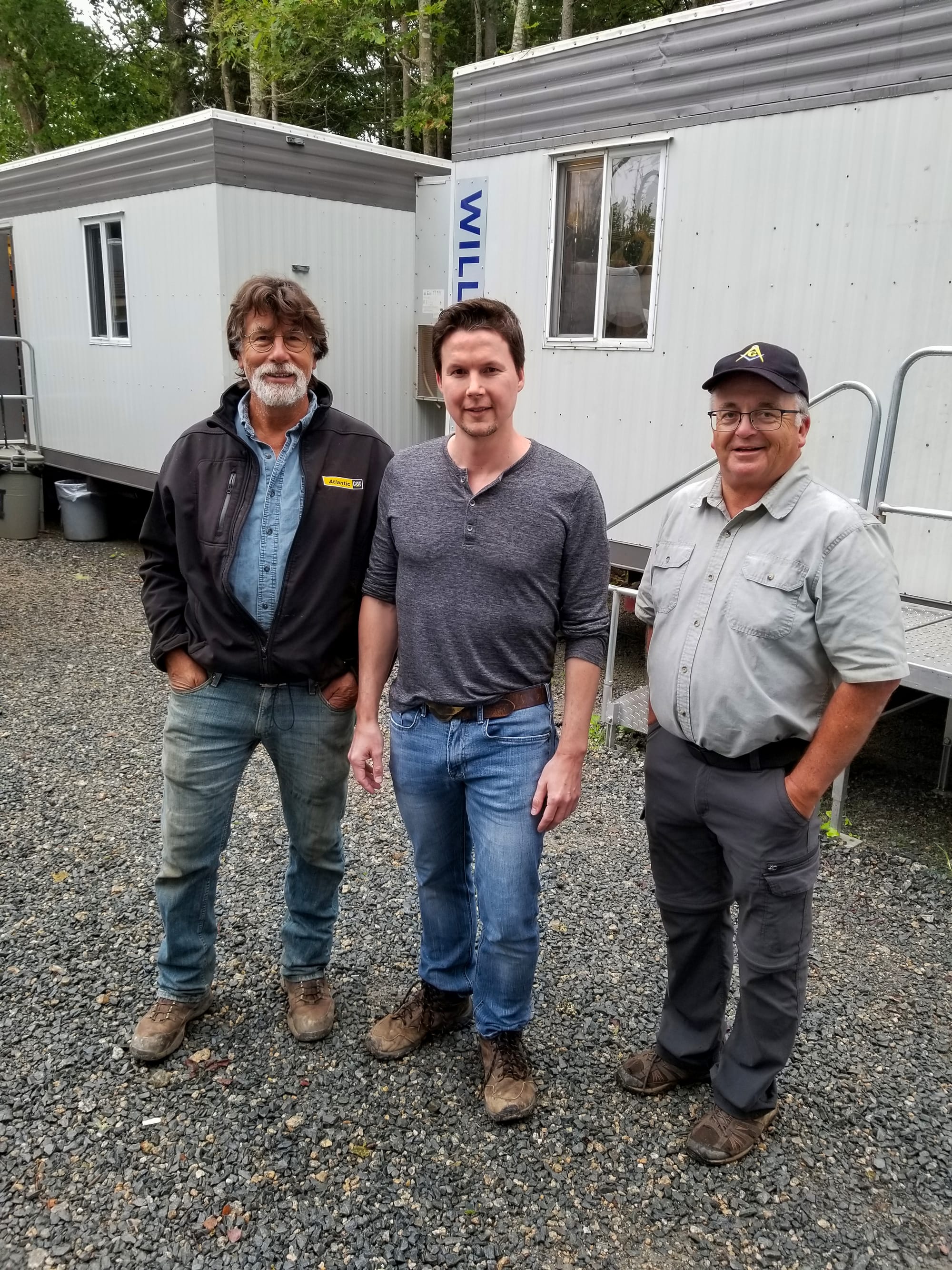
I contacted the Curse of Oak Island team from the History Channel and was invited to work with them regarding my research. I headed out to Nova Scotia with my girlfriend and our daughter to meet up with my sister’s family, who were living relatively close to Mahone Bay. First, I had a casual meeting over a few pints of beer with fellow treasure hunter Gary Drayton, then met up with the show's producer on the island. The island is attached by a causeway, and he greeted me at the entrance to the makeshift bridge, where I handed him the dusty secret Santa gift. From there, it was a blur, but I spent most of my time working directly with Rick Lagina, discussing both my theories and those of the cases’ original owner.
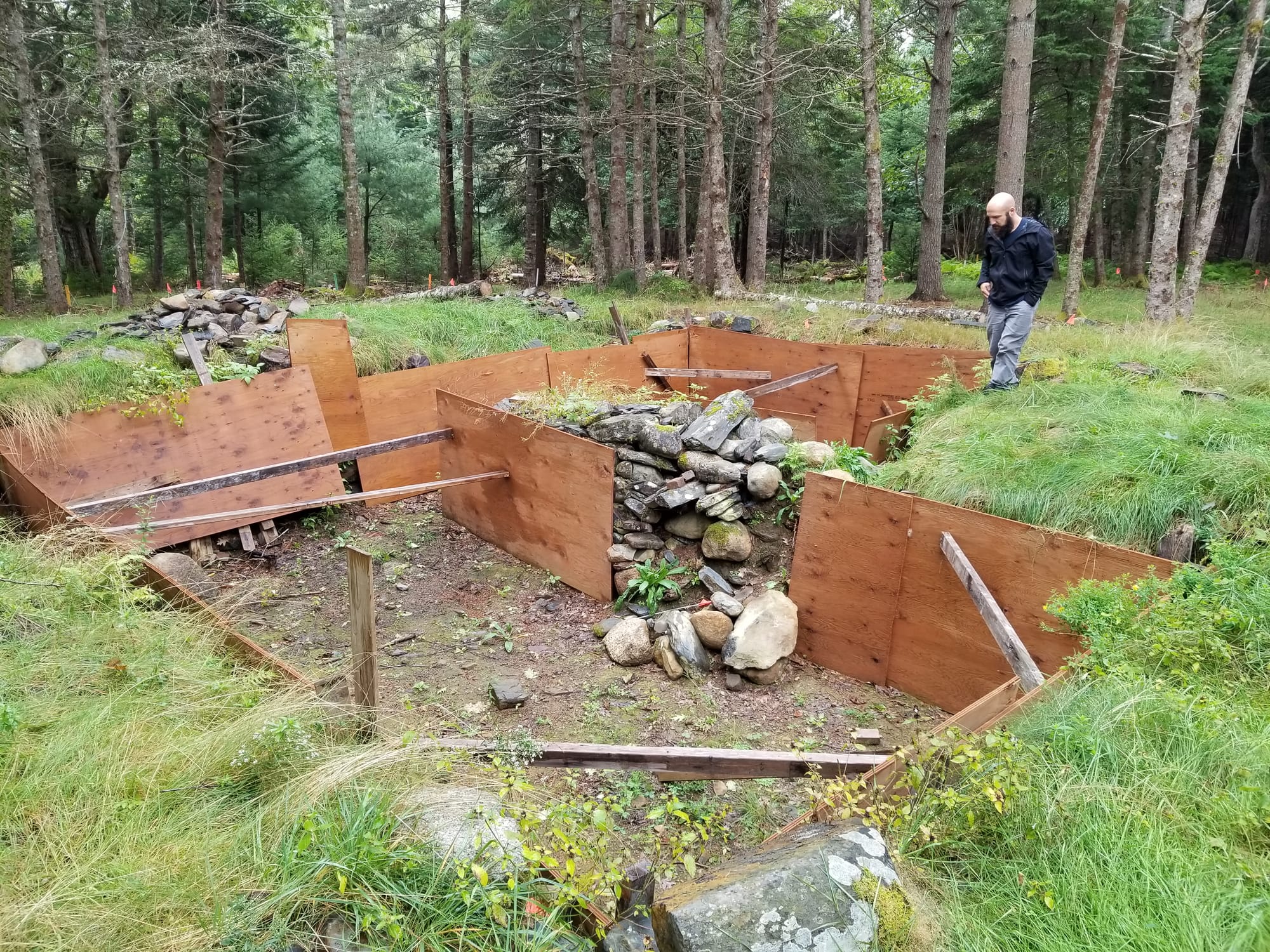
They seemed to hone in on my Nolan’s cross theory. They were looking for a side tunnel, a rumoured shortcut to the treasure, and they wanted an educated guess to put an X on the map. They were eager to dig and wanted a plausible theory, so I gave them one. The timeframe on the NDA’s has now passed, so here we go.
I’m not going to go over every small detail here, but I am happy to give you the Coles notes version. Nolan’s cross is significant because the constellation of Cygnus the Swan passes overhead; part of that constellation is famously known as the Northern Cross. It was an essential landmark for navigators of that era, though when combined with the H+O stone, it tells a different story.
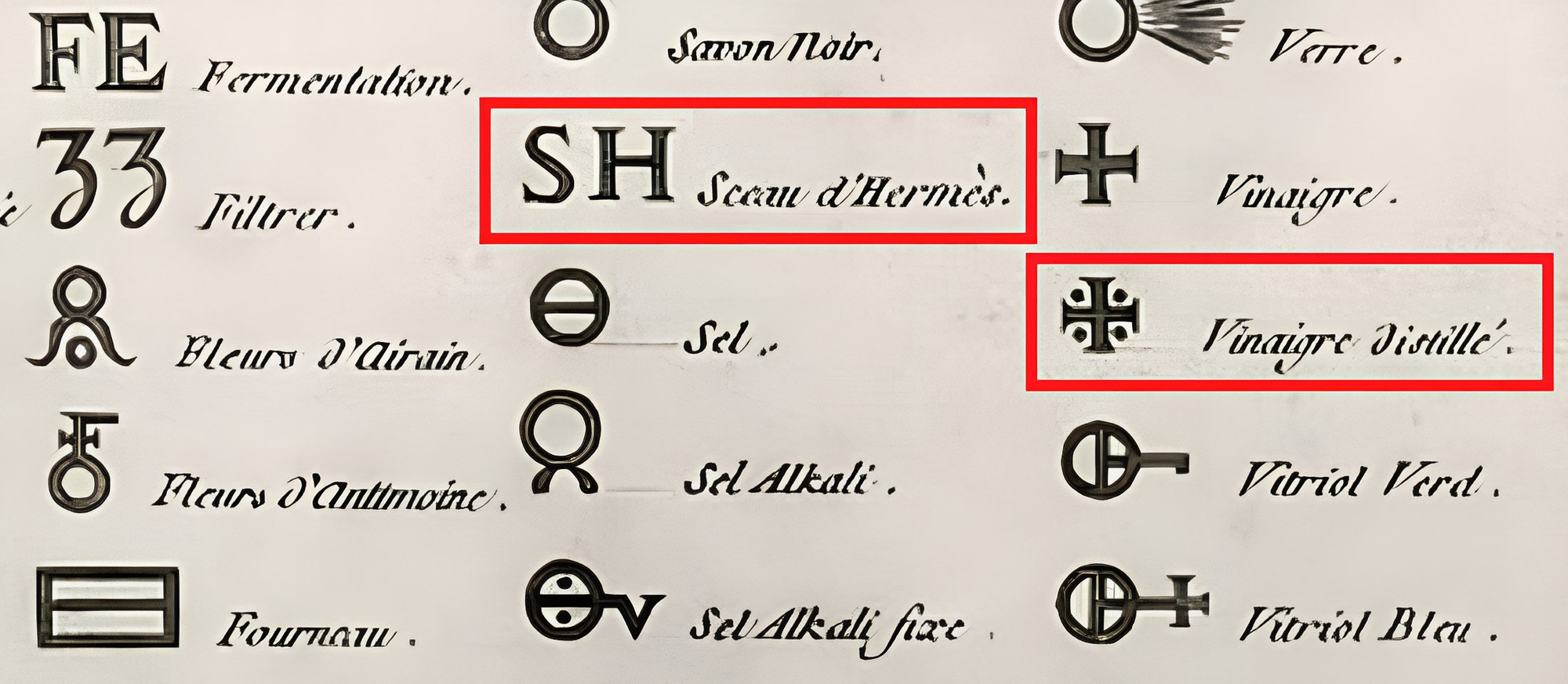
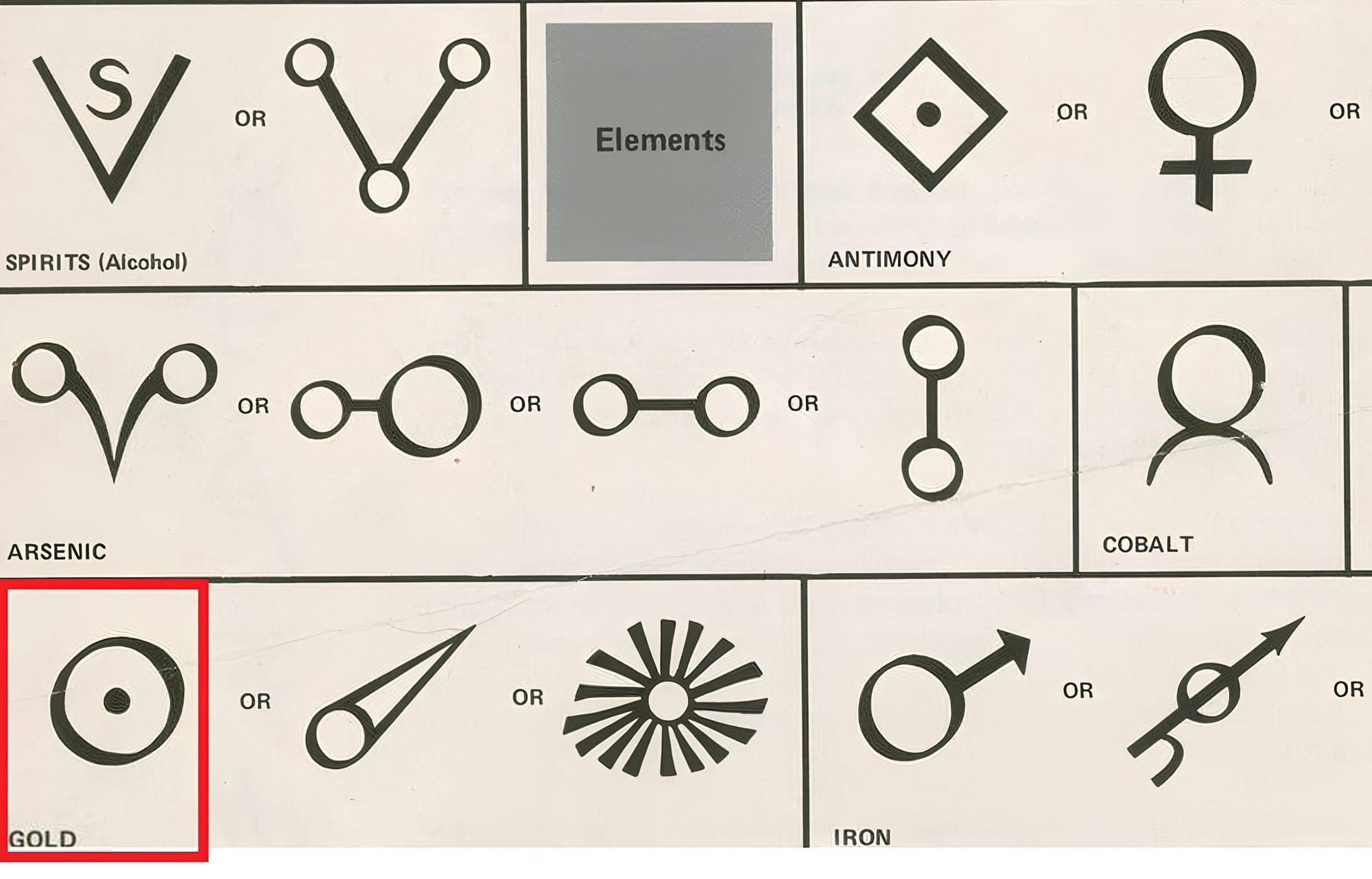
If you look closely at that stone, you will see there is a cross or plus symbol with four dots around it between the H and the O. That symbol is widely used in alchemy; the stone is broken off to the left of the H. SH is another alchemy symbol. And the circle with a dot in the middle, well, that’s the symbol for gold. There was a famous order of Alchemists known as the Rosicrucians, the order of the Rosy Cross. The Northern Cross and Cynus the swan were of great importance to them. They are famously connected to artifacts such as the philosopher’s stone and the Emerald Tablet.
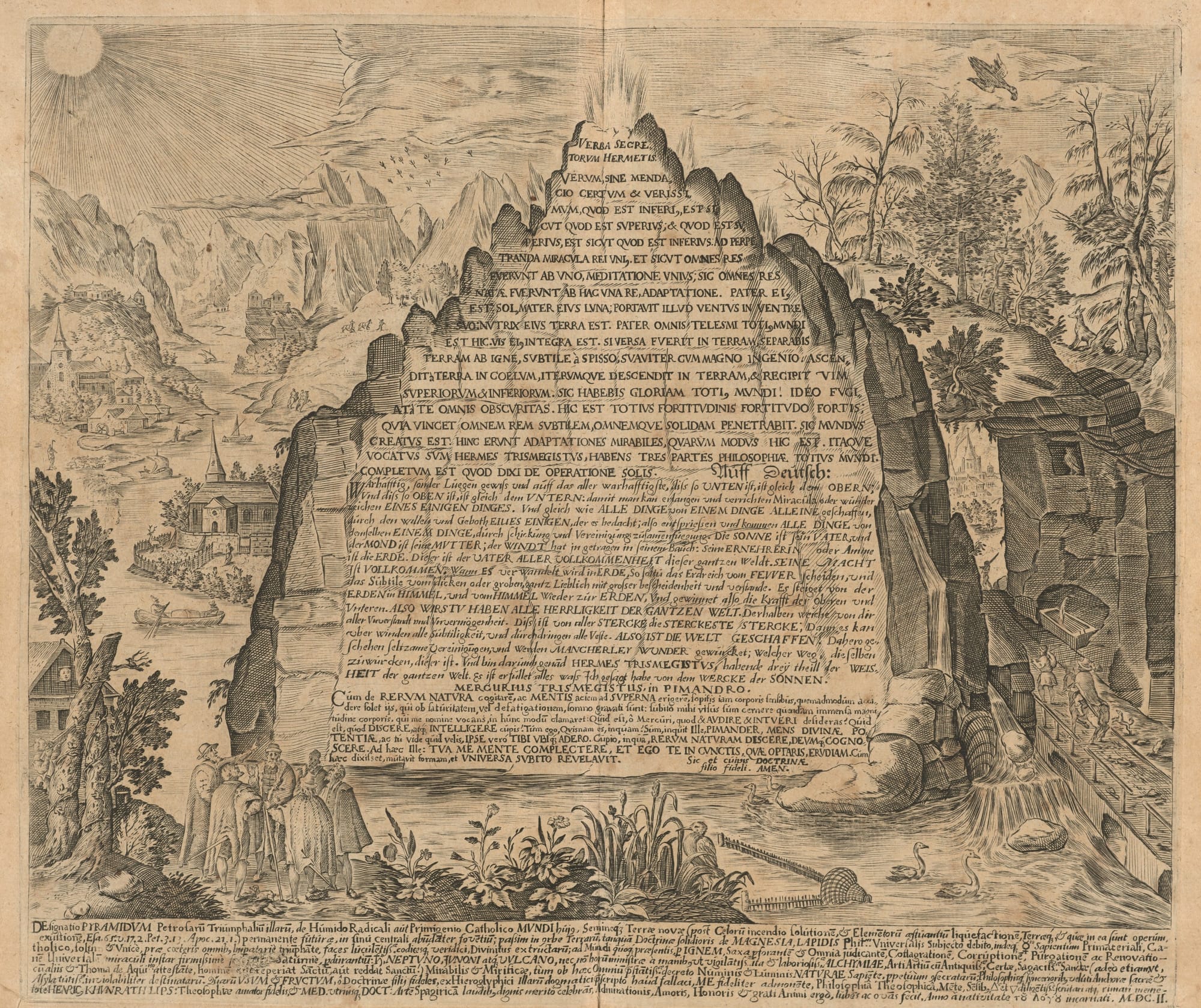
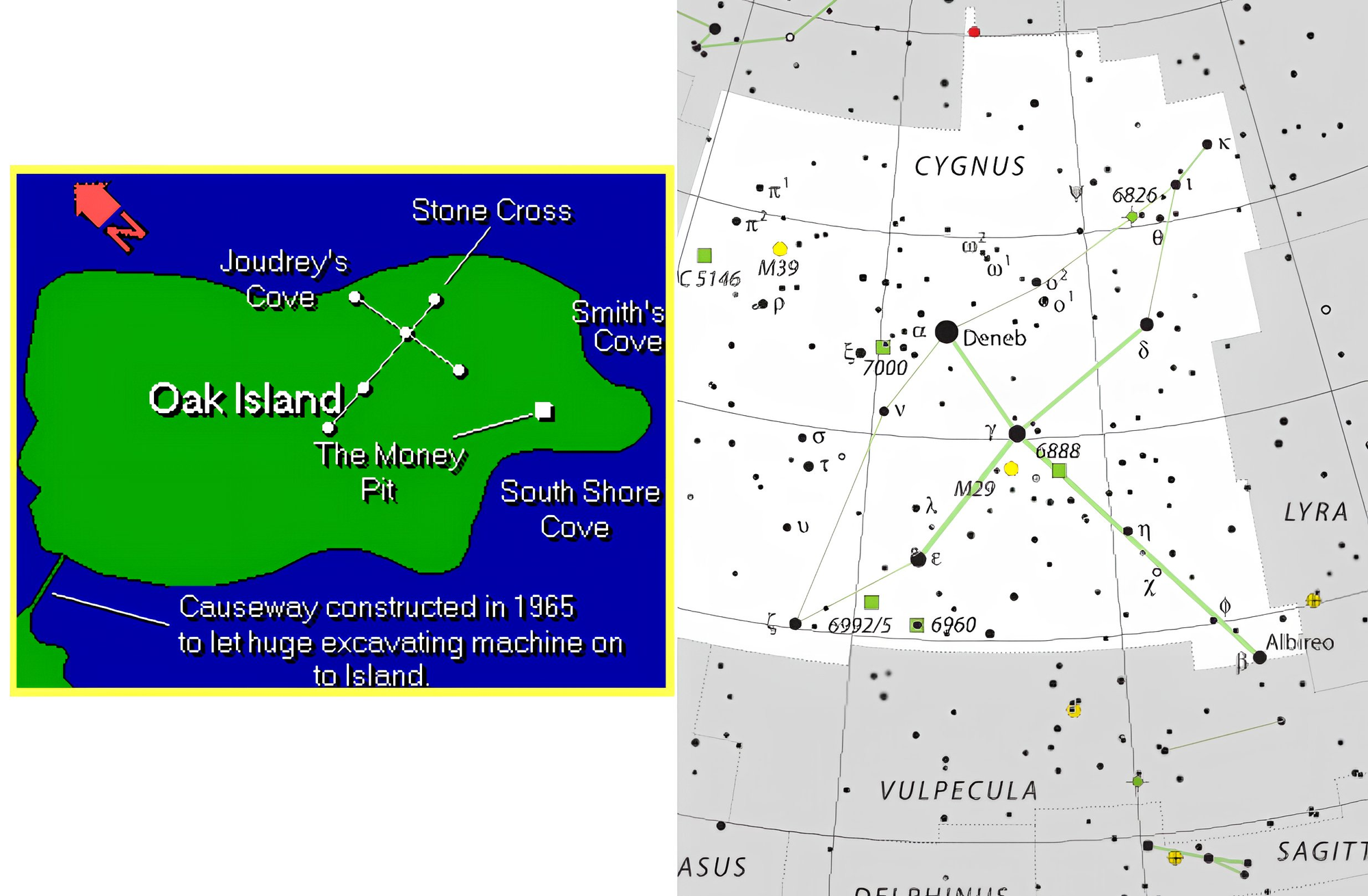
The Emerald Tablet (Left), Nolan's Cross and the Northern Cross (Right)
Let’s break this down. The Northern Cross in the stars mirrors Nolan’s cross, made up of stone boulder points, down below, on the island. The second verse of the Emerald Tablet, which is an alchemist's grail, reads: “As above so below.” An explanation for Nolan’s Cross.
The Rosicrucians used the term V.I.T. R.I.O.L. "visita interiora terrae, rectificandoque, invenies occultum lapidem." This translates to "visit the interior of the earth, and purifying it, you will find the hidden stone." Which is thought to be connected to the Philosopher’s Stone. However, the Rosicrucians have a habit of burying things deeply. The founder of the order, Christian Rosenkreuz, is said to be buried in a Sarcophagus “located in the interior of the earth,” housing a storehouse of knowledge along with his body. Look at the motto again. "Visit the interior of the earth, and purifying it, you will find the hidden stone." These can be taken as directions for finding the 90-foot stone—the stone the teenagers found in 1795, deep in the dug-out shaft.
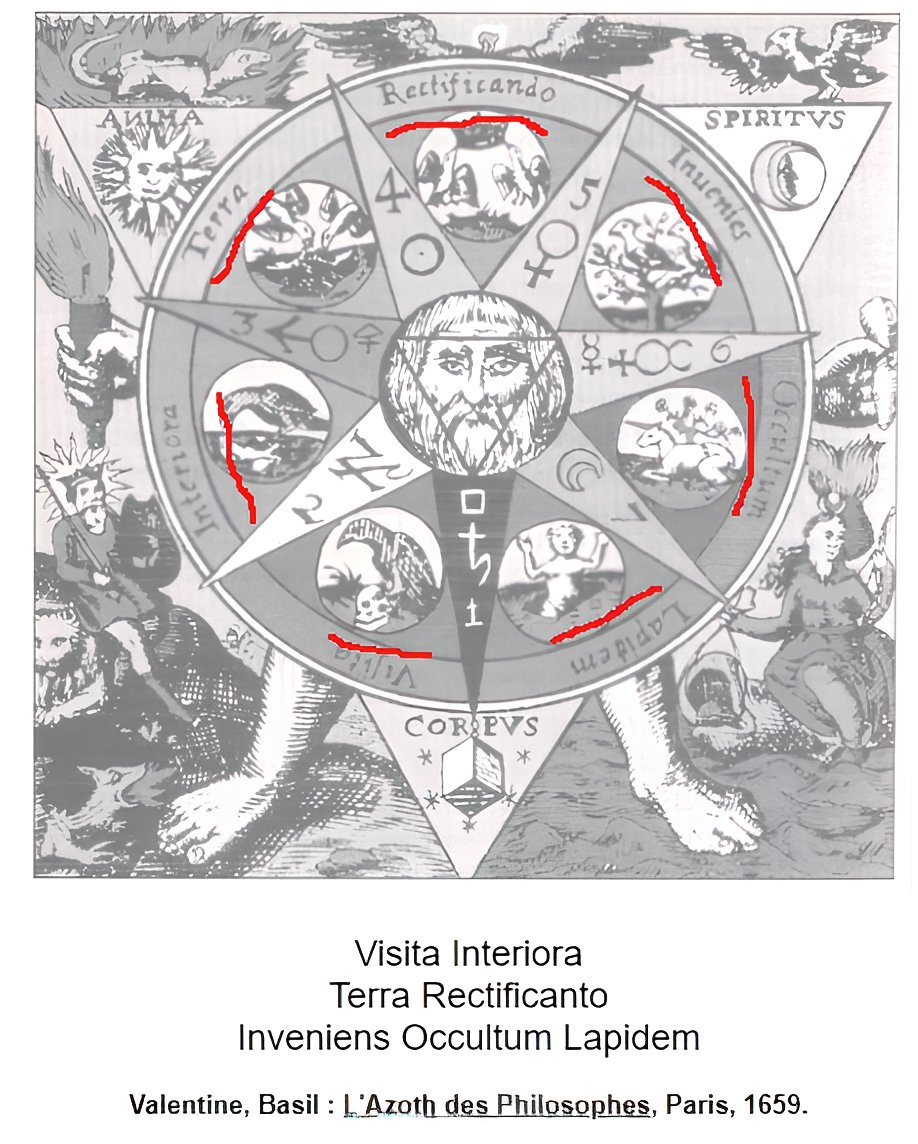
Another famous Alchemist was John Dee, who created the Monas Hieroglyphica. The “head” is a circle with a dot in the middle. In his manuscript, he attributes that symbol to the Earth, the Sun, and the Moon. The H+O stone looks broken from its original, larger stone, and so we are only seeing part of the message.
It is possible that the H is the second letter in the symbol of SH, meaning Sceau D’Hermes, or seal of Hermes, or Hermetic Seal. Meaning a seal that is difficult to break and both air and watertight. This describes the flood tunnels and broken seals that let the water rush in.
The second symbol, the cross with dots, resembles the alchemical symbol for distillation, but may also signify purification. Remember, purification is part of the V.I.T.R.I.O.L phrase.
The final symbol is for Gold, but it can also mean a terrestrial point on Earth, affected by the sun and the planets. The symbol connects either way, as gold, or if we return to John Dee’s Monas Hieroglyphica and my theory that the Northern Cross aligns with Nolan’s cross.
So I know what you are thinking. It’s likely the same thing the Oak Island team was thinking as I walked them through all of this. How does this help us? How does this lead to a strategic dig site? Where is the X on the map? In 1600, as the Rosicrucians were looking to make themselves known to the world, a new star appeared. Just off the center of the Northern Cross, a star known as 34 Cygni went supernova and was an unmistakable heavenly event for the people below. It was a sacred event in the eyes of the Rosicrucians. I advised the History Channel, if you are going to pick a spot to dig, map 34 Cygni’s location to the Northern Cross above, and find that point in relation to Nolan’s cross below. Do that, and you have your X.
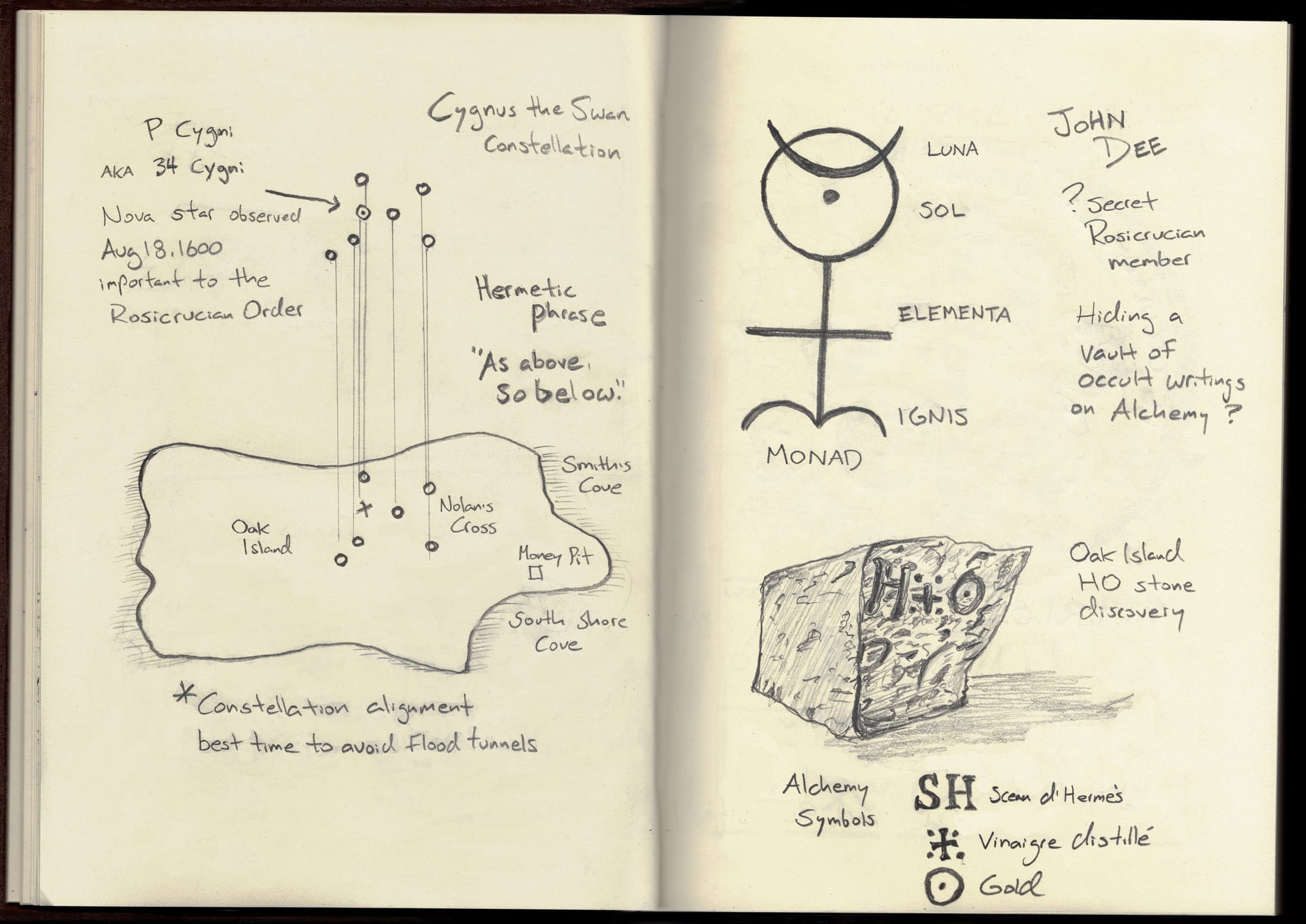
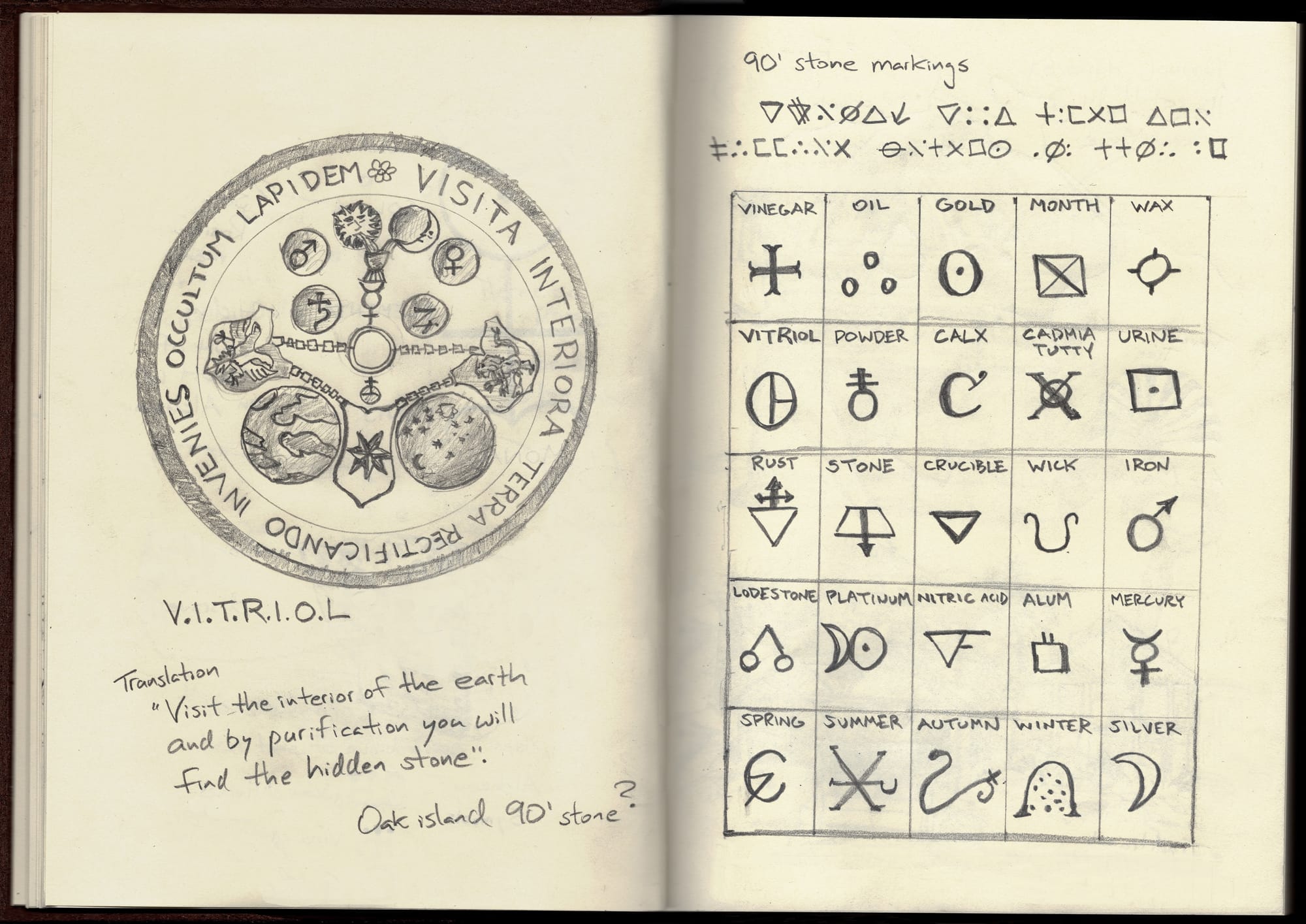
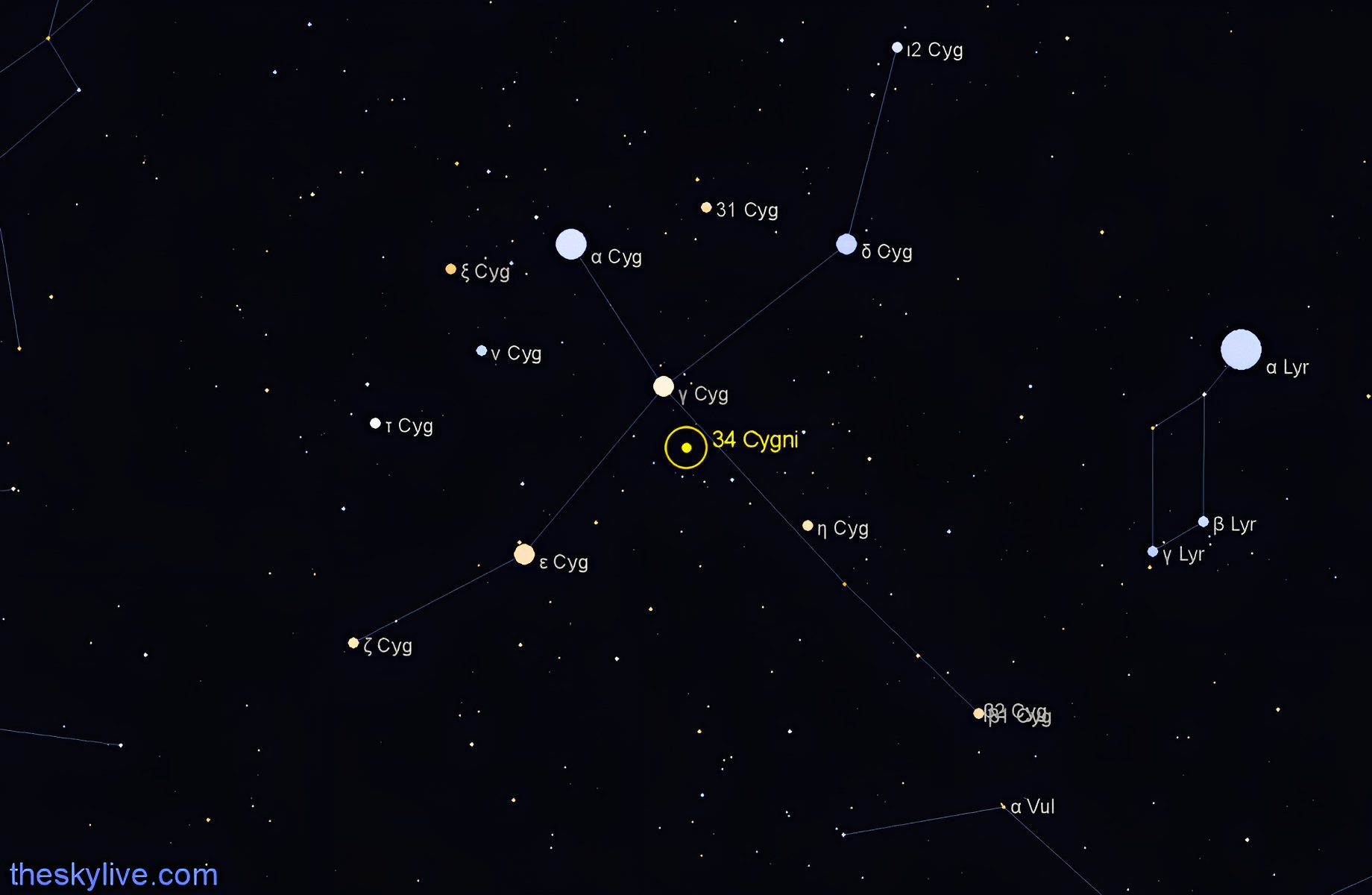
Pages from my Journal outlining some of my research. The location of 34 Cygni
In the following weeks, I took calls from the Oak Island team to work out that precise spot. Questions such as, is it straight below, or a mirror image? The decision was to look at drilling both points.
While I was there, I met another researcher who was following a Knights Temple theory. The previous season, the team travelled to Europe and filmed some episodes on that topic. In the end, the producers chose the Knights Templar angle, and they have continued to pursue it for three years with little to no results. All the while, the dig site of 34 Cygni remains untouched.
The producers believed that opening a storyline about the Rosicrucians would seem confusing to viewers after the time invested in the Knights Templar arc. This is coming from a program that recaps the show every six minutes. Now I don’t know what's below that spot, maybe Christian Rosenkreuz’s tomb, gold and riches, the Emerald Tablet, Philosopher’s Stone, or nothing at all. Some of the other drilled tunnels have found bits of parchment paper with old writing, so my guess is a storehouse of ancient knowledge. While I can't be certain, cable TV story arcs aside, I sure would like to find out.