The Fax of Life
An Echo of the Original
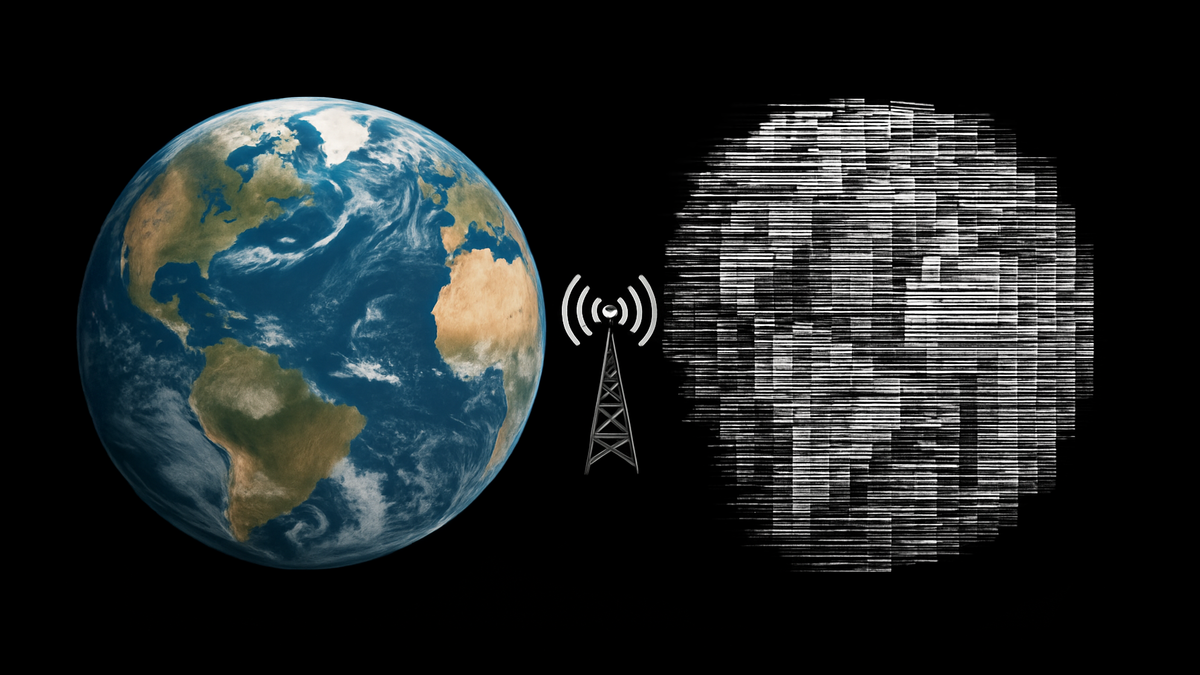
A fax is a janky echo of the original. A fax of a fax makes for an even worse copy. More and more, I fear the world is settling for this, a copy of life instead of the real thing, all in the name of profit and convenience.
The Decline of Firsthand Travel Writing
I help supplement my living and travel by contributing as a writer to other publications in addition to working on my own projects. What is sad is that the days of sending writers out on assignment to write about their own personal experiences are gone. I certainly prefer both reading and writing firsthand accounts and real opinions over journalistic objectivity any day, but this goes far beyond that.
These days, much of what’s called “travel writing” isn’t about travel at all. Many of the jobs I come across as a contributing writer are based on sitting at home, researching online, and stringing together information about places the writer has never actually visited. In a way, it’s nice that you can accomplish this while residing in the comfort of your own living room, though it can quickly transform four walls from a sanctuary into a prison.
The Echo Chamber of Secondhand Stories
The real goal of these jobs, despite being labeled as "travel writing," is to be able to rephrase what others have written online without plagiarizing their work. Of course, you will likely be citing other articles written by people who have themselves never been to these actual places.
To be clear, every destination that I write about in my personal books or articles are places that I have very much experienced firsthand. I believe the internet is great for preliminary research, but that research should serve as a resource for you to utilize before and during your actual trips, rather than as a substitute for the experience itself.
I write about places I’ve actually been, hikes I’ve taken, ruins I’ve explored, people I’ve met. That firsthand connection is what makes the work real. I remember once sitting in a quiet corner of a village in Madagascar, jotting notes into my journal after a long day of exploring. The people I spoke to, the taste of the local food, even the dust on my boots, all of it found its way into those pages. That detail isn’t something you’ll ever get from Google. You can’t fake the weight of lived experience.
1+1=2
I recall seeing an interview with Michael J. Fox, star of Back to the Future, one of the best trilogies of all time. He explained that growing up, he was great at math, and his parents assumed he would end up being an accountant or something similar. When he told them he wanted to be an actor, they asked him why not focus on math? He had considered it, but realized that one plus one is two, whether he does it, you do it, or a calculator does it. He decided there was no point in dedicating his life to something where the outcome wasn't influenced by his own unique contribution to the work, so he decided to become an actor.
His story resonated with me, and is a good explanation as to why these regurgitating writer positions and journalistic impartiality are so unappealing. They are good at conveying data, much like math. Both are useful for research, but humans aren’t moved by zeros and ones; they are moved by feelings, honest reflection, and human stories. You can send any group of writers to cover the facts of a news story, or research Cancun online, and they will all come back having written a very similar article. The same can’t be said for various writers who have all travelled there independently and uniquely lived the experience.
The Heartbeat of Storytelling
The balance I’ve always chased is this: pausing long enough to earn the means to fund my next adventure, then stepping back into the unknown so I have a life rich enough to be worth documenting. Without new experiences to draw from, there’s nothing of real substance to reflect on, no stories worth telling. To create meaning, you must first live it.
I recall taking a film class where we watched the first documentary ever made: Nanook of the North, released in 1922. It followed the life of an Inuit family in the Canadian Arctic. In an interview with the director’s widow, she explained why the film resonated so deeply: even though the audience had no experience with the life of the Inuit people, we all share common struggles and needs as human beings, and can see ourselves in them. The audience was right there, side by side, for every struggle and triumph. But the minute they got even a hint of artificiality, she said, you would lose them forever.
That struck me then, and it stays with me now. Authenticity is what connects us. When we see something real, we lean in and are enriched by it. When we sense something false, we shut down. This is why I believe a life of exploration, discovery, and genuine experience is the only kind worth documenting, and perhaps the only life worth living. It grows our spirit and understanding of the world. Traditional journalistic integrity and impartial reporting have their place as research tools, but if we want to be genuinely moved, we need the honesty of personal perspective, the unfiltered accounts and opinions that reveal the human side of every story.
When Profit Replaces Authenticity
At its core, both AI-generated articles and secondhand “travel writing” share the same flaw: they are just regurgitating the internet rather than writing from experience. It's one giant echo chamber.
I want to be clear: I’m not against AI or digital tools themselves for assisting with editing tasks and checking grammar. The problem isn’t the tool; it’s how companies use it. Too often, technology becomes a shortcut to cut costs, replacing lived human experience with secondhand research or recycled words. I believe we lose something essential when writers, explorers, and storytellers are kept behind a screen instead of being out in the world. Technology should enhance our ability to share authentic stories, not replace the very experiences that make those stories worth telling. Ask yourself, do you really want to learn about something from a source that has never experienced it themselves?
Choose Experience Over Consumption
More than ever, in the world ahead of us, we are in need of those who will step out of their climate-controlled living rooms and put boots on the ground. People who aren't afraid to speak up and share their own opinions and observations.
Because at the end of your life, the questions should be: What did you experience? What did you contribute? Not what did you consume?