The King’s Road (Camino Real)
Long before the Panama Canal was built, the Spanish knew that Panama held the narrowest landmass across the Americas, separating the Pacific Ocean from the Atlantic. This 400-mile strip of land is known as the Isthmus. Its landscape tempted the Spanish with the promise of a more convenient route, given that sailing around Cape Horn below South America was a very dangerous endeavour. Known as the most perilous sailing location in the world, it has claimed more than 800 ships and 10,000 sailors throughout history. Rogue waves and unrelenting winds make it a brutal environment for sailors.
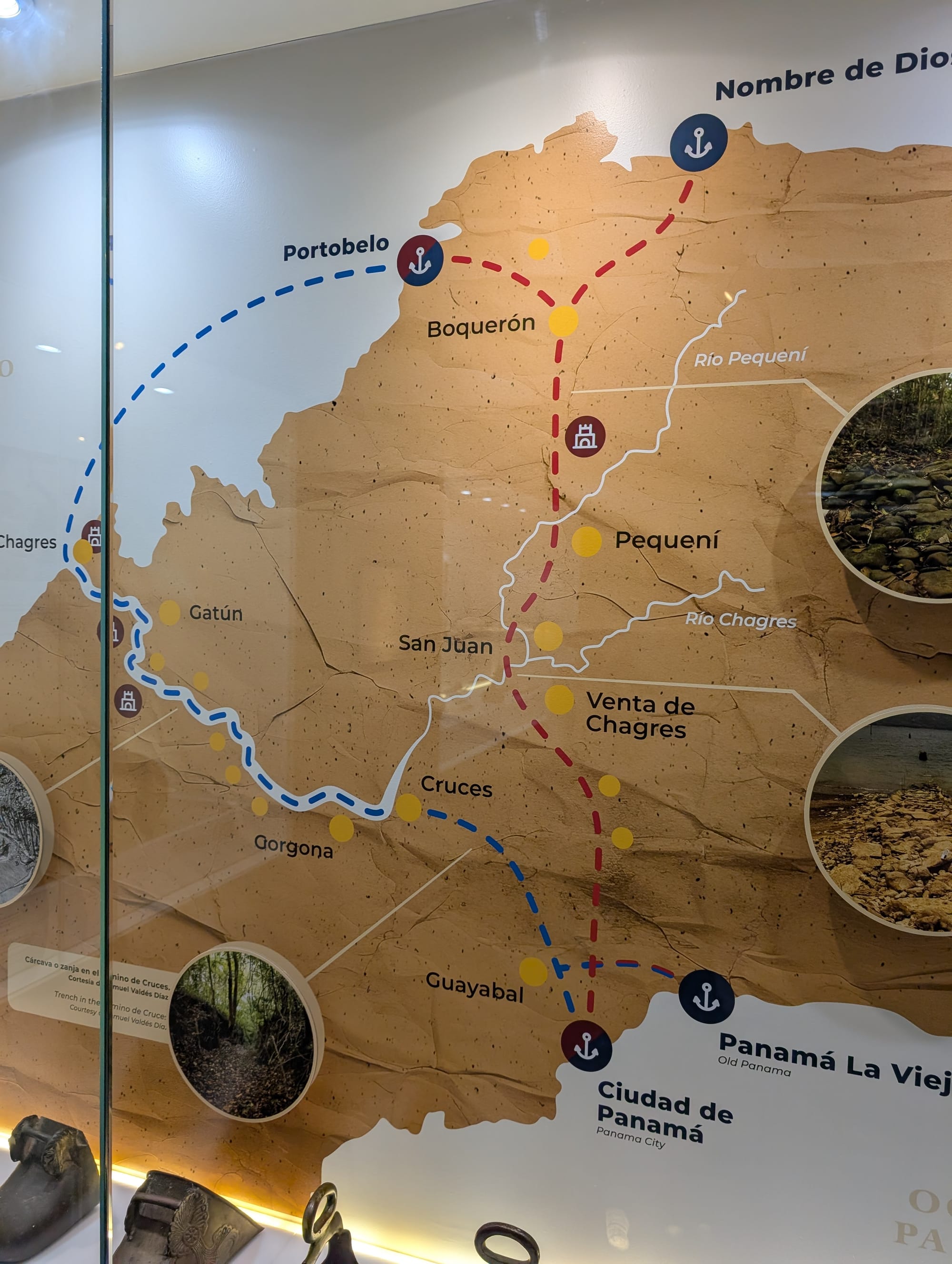
The Spanish had looted massive amounts of Incan gold from Peru and Bolivian silver from the mines of Potosi. They now faced a serious dilemma. How do they transport that treasure back to Spain? Not wanting to risk those riches to the waters around Cape Horn, they sought another option. In the early 1520s, Spanish explorer Gaspar de Espinosa plotted and established the Camino Real, which translates to King’s Road or Royal Road. This mule trail was hacked out through the dense Panamanian jungles, following low-water river routes where possible. Though the route around Cape Horn was treacherous, this new path also contained many potential hazards. Poisonous snakes, poison dart frogs, crocodiles, and mosquitoes carrying yellow fever and malaria inhabited this jungle. They were present during Spanish colonial times and still remain today.
The Spanish loaded up ships with treasure from South America, sailed to Panama City, unloaded the cargo onto mules, and moved the treasure via mule trains up the Camino Real to a city known as Nombre de Dios, “The name of God.” From there, the cargo was reloaded onto ships that traveled across the Atlantic and back to Spain. One of my historical heroes saw his opportunity along this mule path and, with a well-planned ambush, made his fortune. In fact, there is a very good chance that without the Camino Real ambush, you would have never heard of the name, Sir Francis Drake.
I have visited locations in Southeast Asia that Marco Polo traveled through. I have stood in Howard Carter’s home and explored Tutankhamun’s tomb. My final historical hero is Sir Francis Drake, and I figured it was long overdue that I walk in his footsteps. After years of research, I had narrowed down the location of Drake’s fateful ambush. A heist where Drake had obtained so much silver and gold that he and his men were unable to carry it all. What remained they hid in various spots along the river. Now well-versed in the legend, I bought my plane ticket, packed my metal detector, and set out for the jungles of Panama.
Panamá Viejo and Casco Viejo
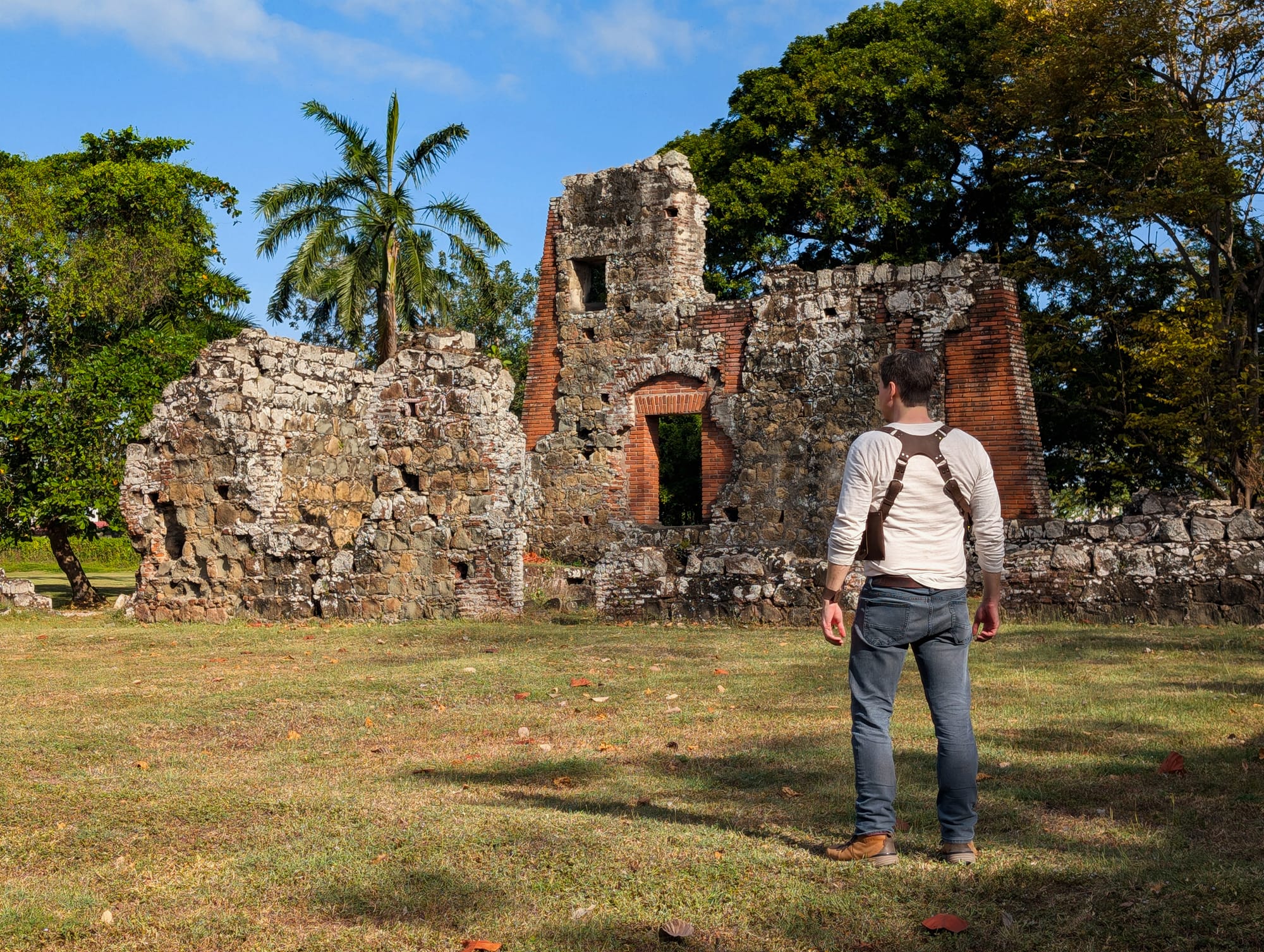
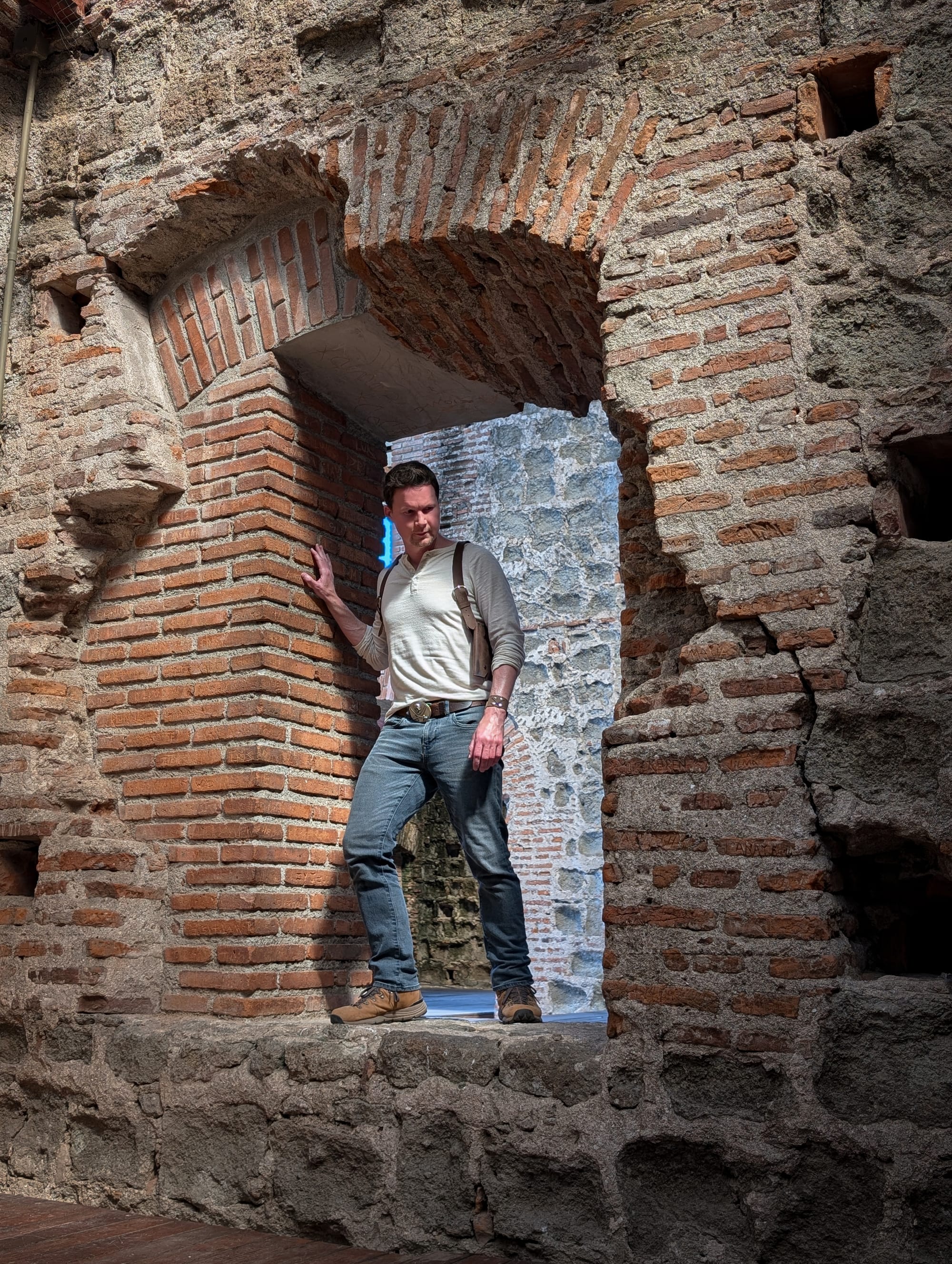
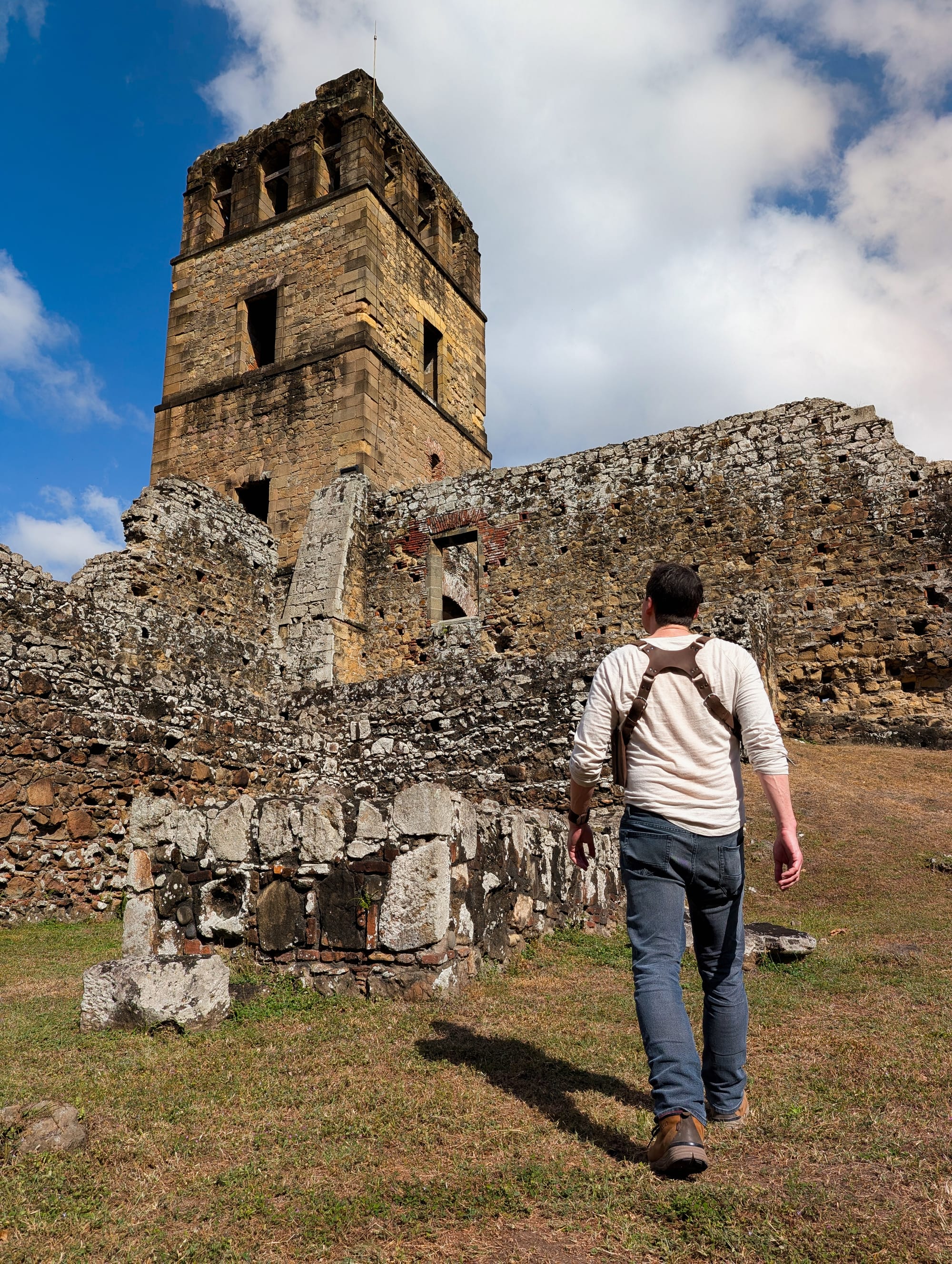
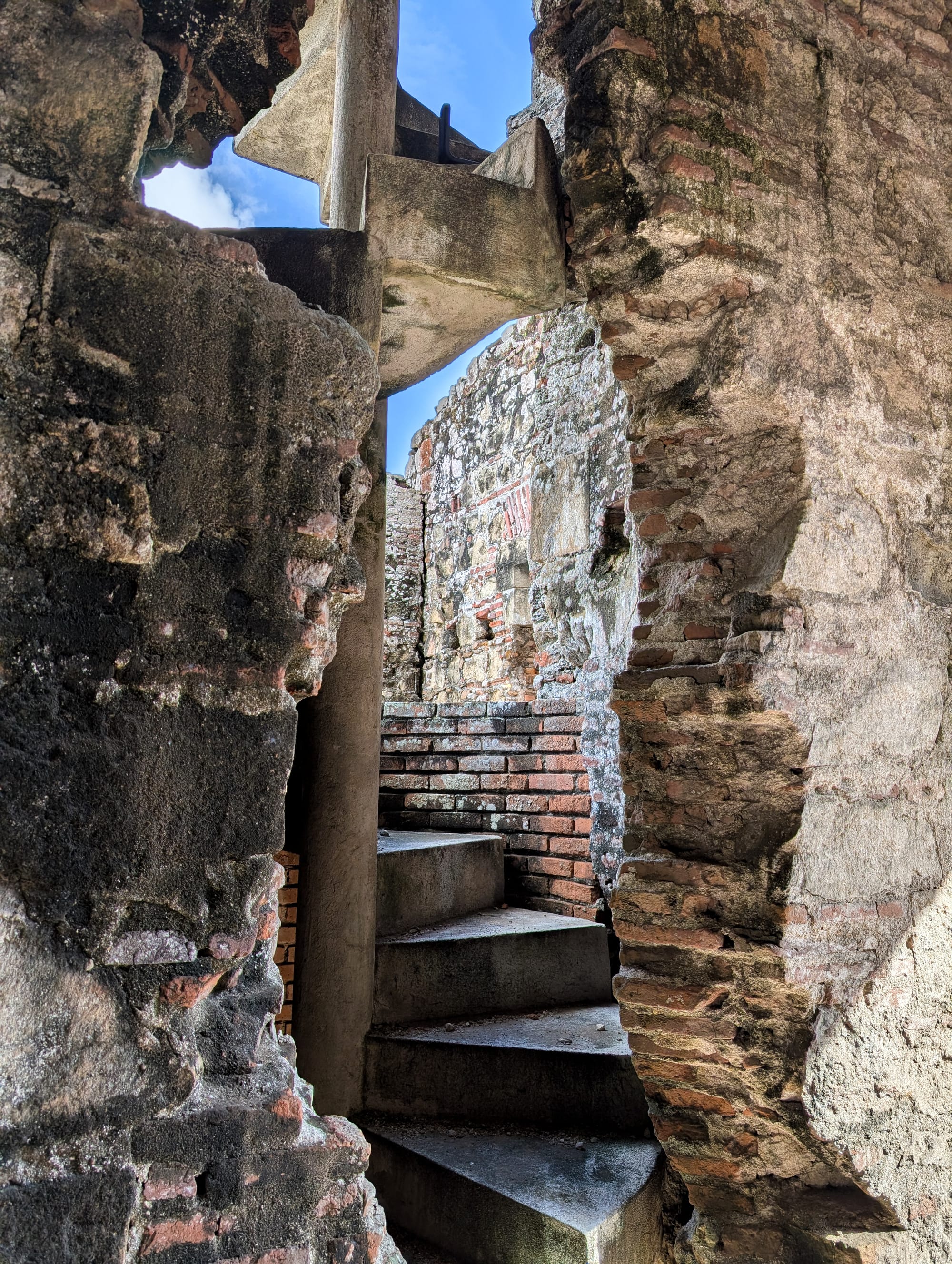
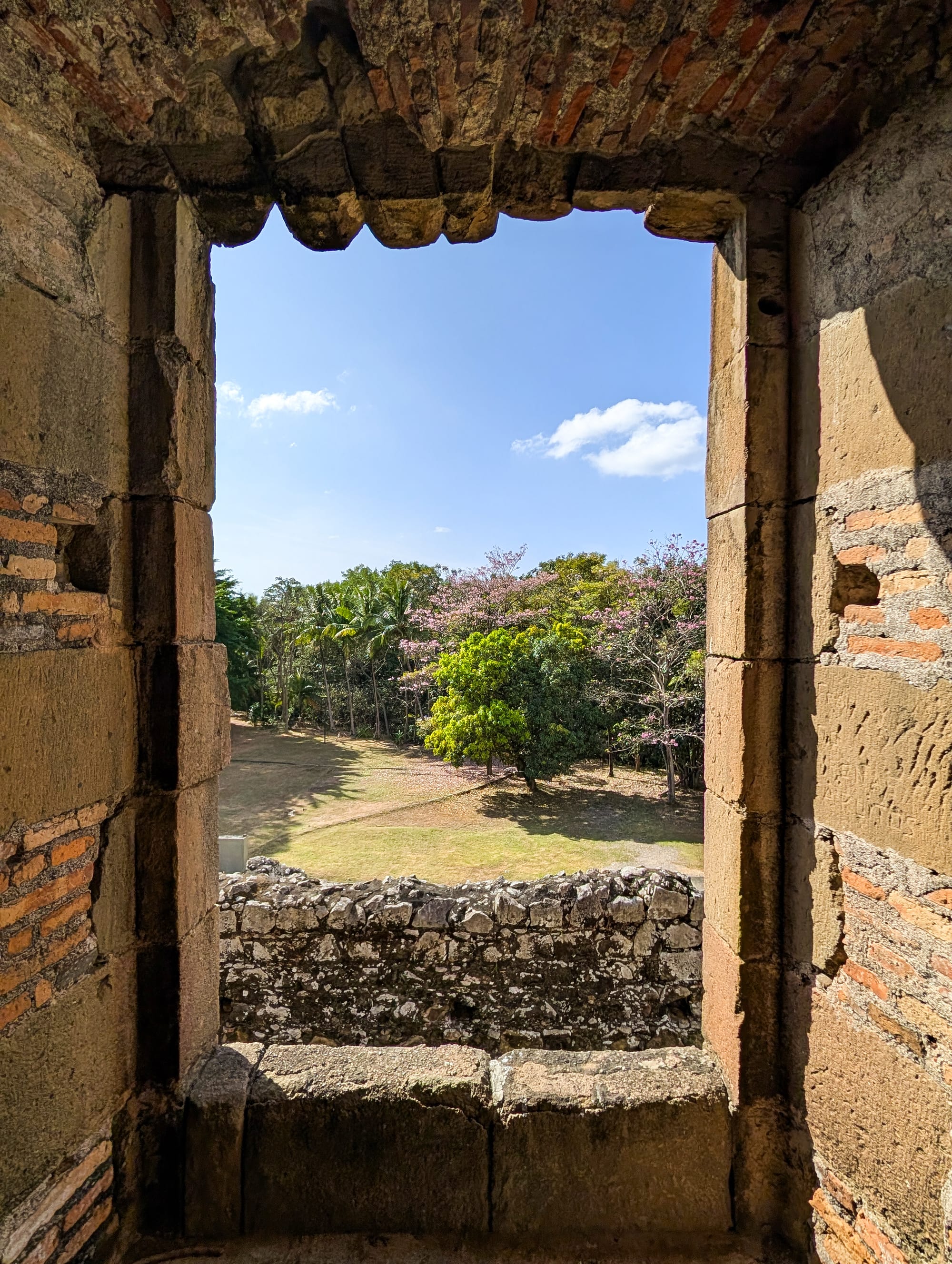
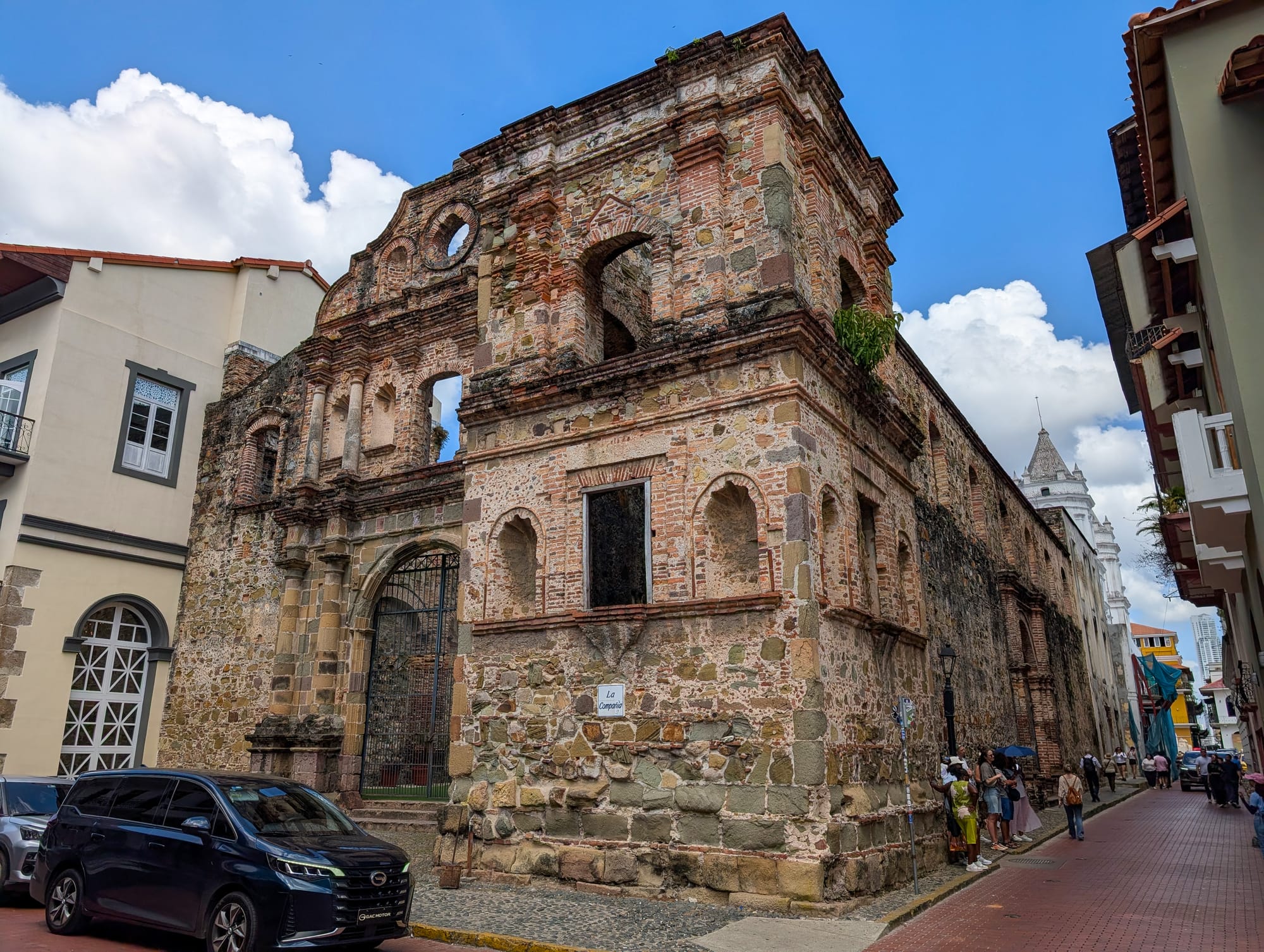
The original Panama City was quite small at just 20 hectares. The main street led from the Matadero bridge to the royal houses. Along its route were famous churches such as La Merced and San Fransico, as well as the city hall, hospital, and jail. The main square connected the main street of La Carrera to the start of the Camino Real and the cities of Portobelo and Nombre de Dios on the Atlantic side of the country. This original city was founded in 1519 and served as the main base of Spain’s treasure route until 1671, when it was destroyed by the privateer Henry Morgan in a massive fire. Today, due to the fire, little of the original city remains. Nonetheless, I felt it was important to see the start of the Royal road, and I enjoyed exploring the ruins of the churches, convents, government buildings, cathedral, and cabildo.
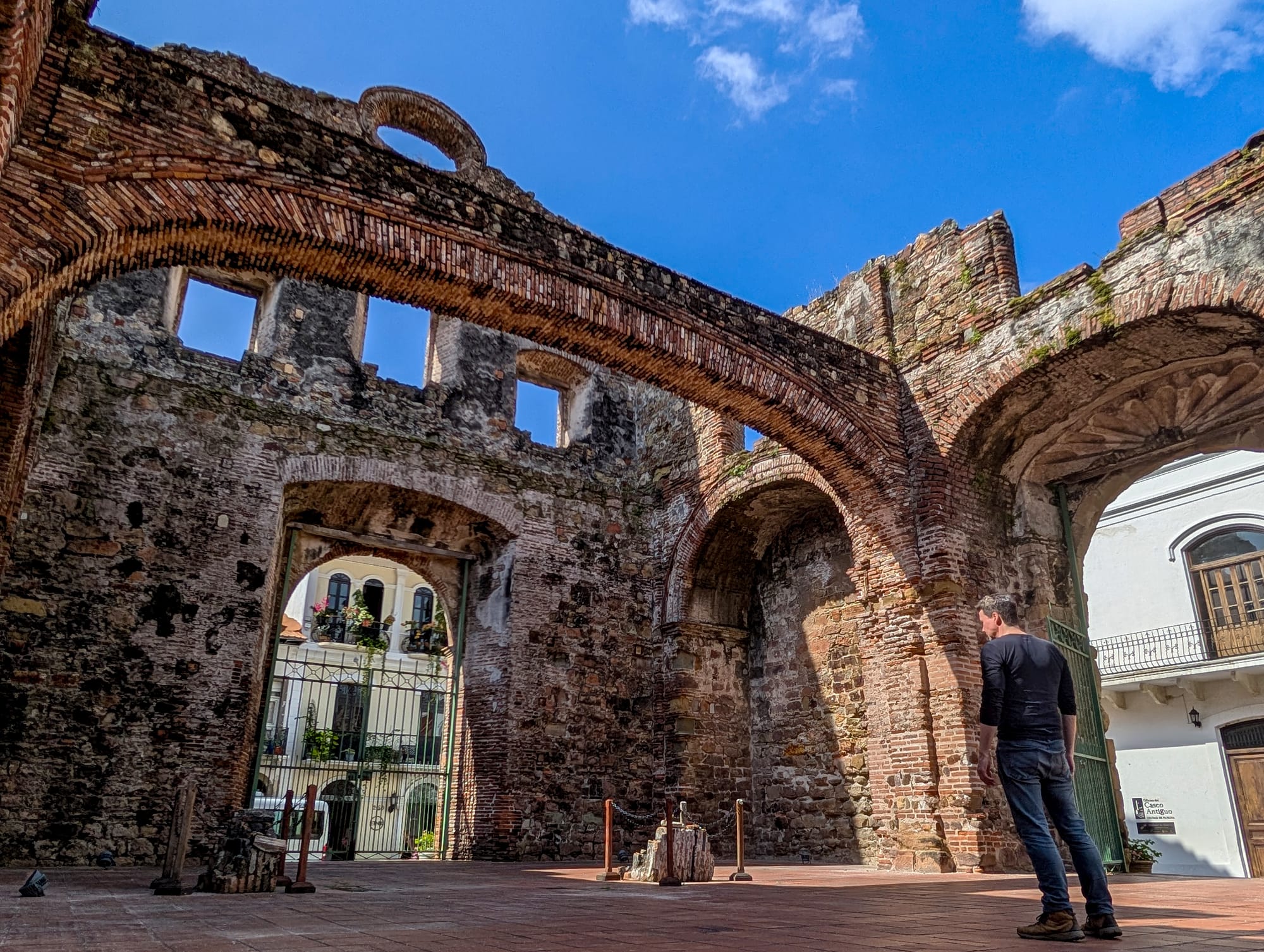
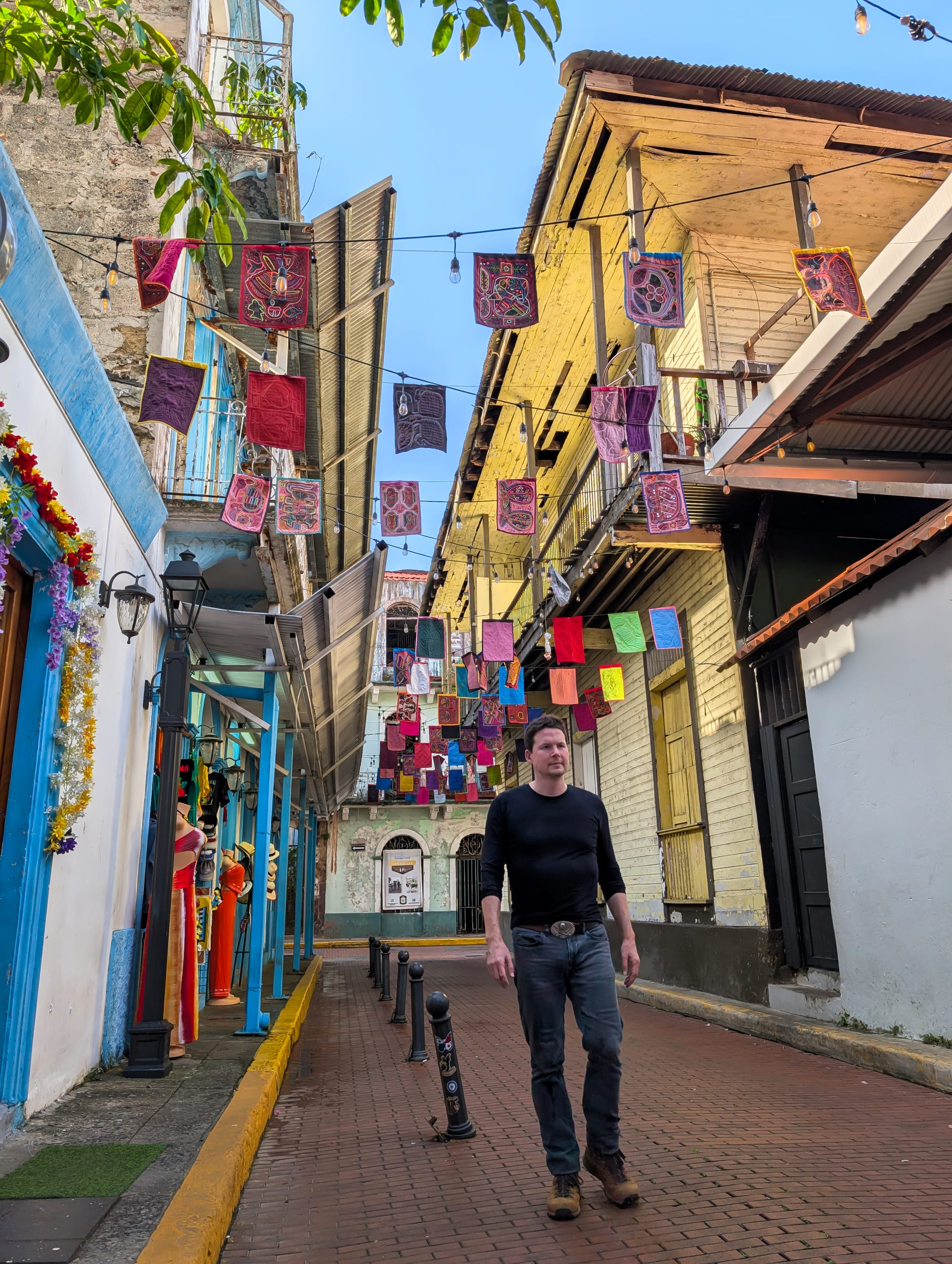
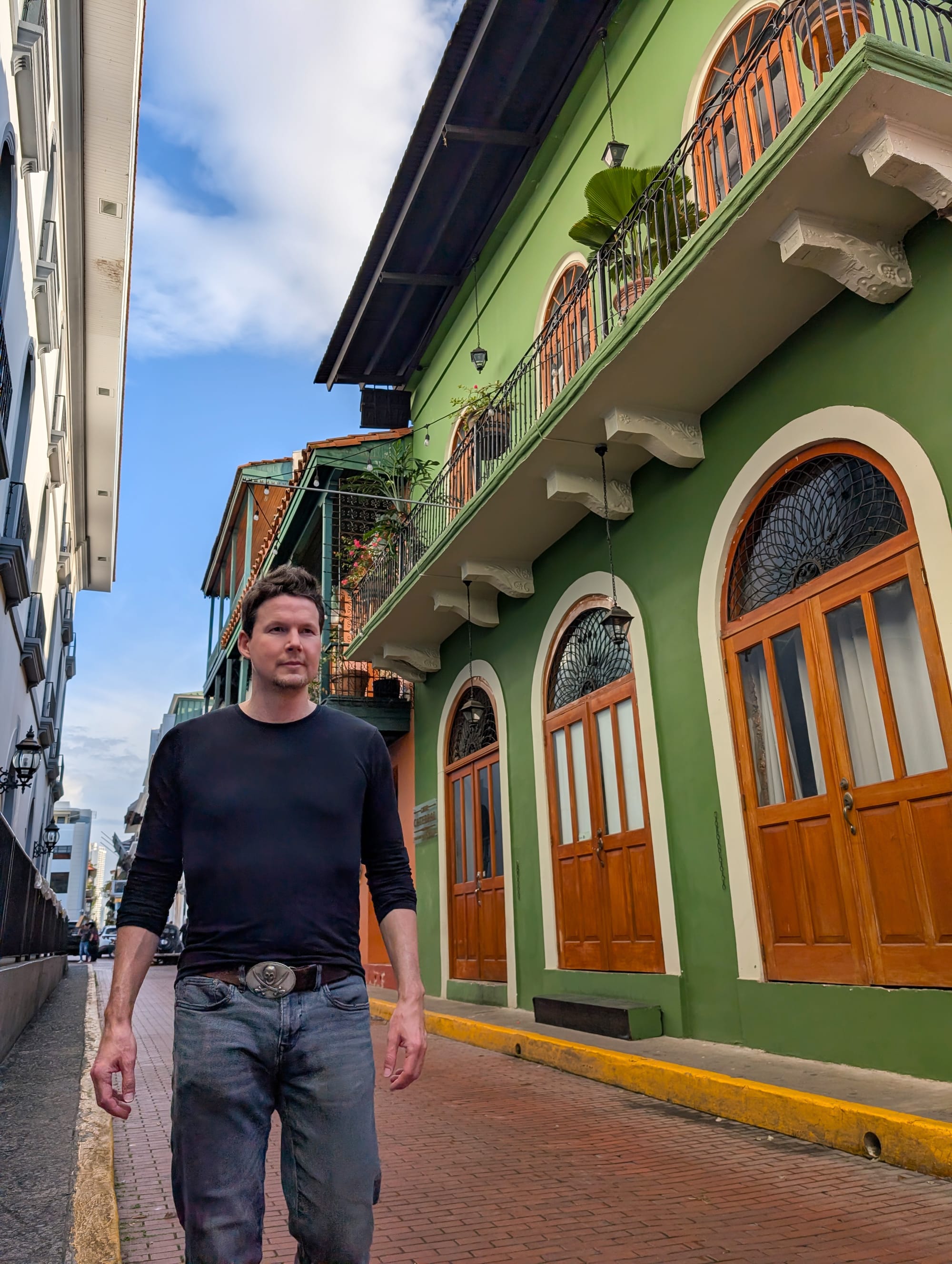
After the fire, the town relocated further to the west to what is now known as Casco Viejo. Today, this area is a bustling if not overpriced tourist destination. Mostly filled with high-end hotels, restaurants, and souvenir shops, you can still find a few remnants of old churches. One of the churches, La Merced, was rebuilt using many of the original stones from its location in Panama Viejo. The other buildings all have a colorful colonial style, though they have likely been rebuilt several times over the years. It does manage to give the entire area a Cartagena or St. Augustine vibe.
This is one pocket of modern Panama City where the tourists wander without concern. The historic neighbourhood is home to Panama’s President and the Palacio de las Garzas. That fact, coupled with the tourist dollars being spent locally make for an ever-present police presence. However, you don't have to stroll too far before hitting rougher neighbourhoods. There is a building that looks a lot like Gringotts Bank from the Harry Potter series. Be warned, past that, things go downhill fast. Stroll a few blocks further, and you begin to enter the neighbourhood of El Chorrillo. A place considered a "red zone" by the locals. Meaning a place to fear and avoid at all costs. Panama City doesn’t really have a good part and a bad part; it has several pockets of nicer areas surrounded by slums. The trick is knowing where one begins and the other one ends.
I dared venture out of the tourist areas and into a rundown neighbourhood. I was intrigued and wanted to get a better look at how some of the locals live. The street had very tall buildings with covered wooden walkways or galleries wrapping around them, almost a French style that you would see in New Orleans or Madagascar. It was interesting to see despite its obvious disrepair. In the distance, I noticed an old, worn-down stone church. I was about to head for a closer look when I heard a sharp whistle; it was a policeman on the street corner. He looked at me, clearly aware of what I was contemplating, and then just slowly began to motion his head back and forth as a stern warning, as if to say no, don't even think about it. Overall, I found the people in Panama to be friendlier than Peruvians, and the neighbourhoods safer than in Guatemala, but as always, you should exercise caution.
Embera Village
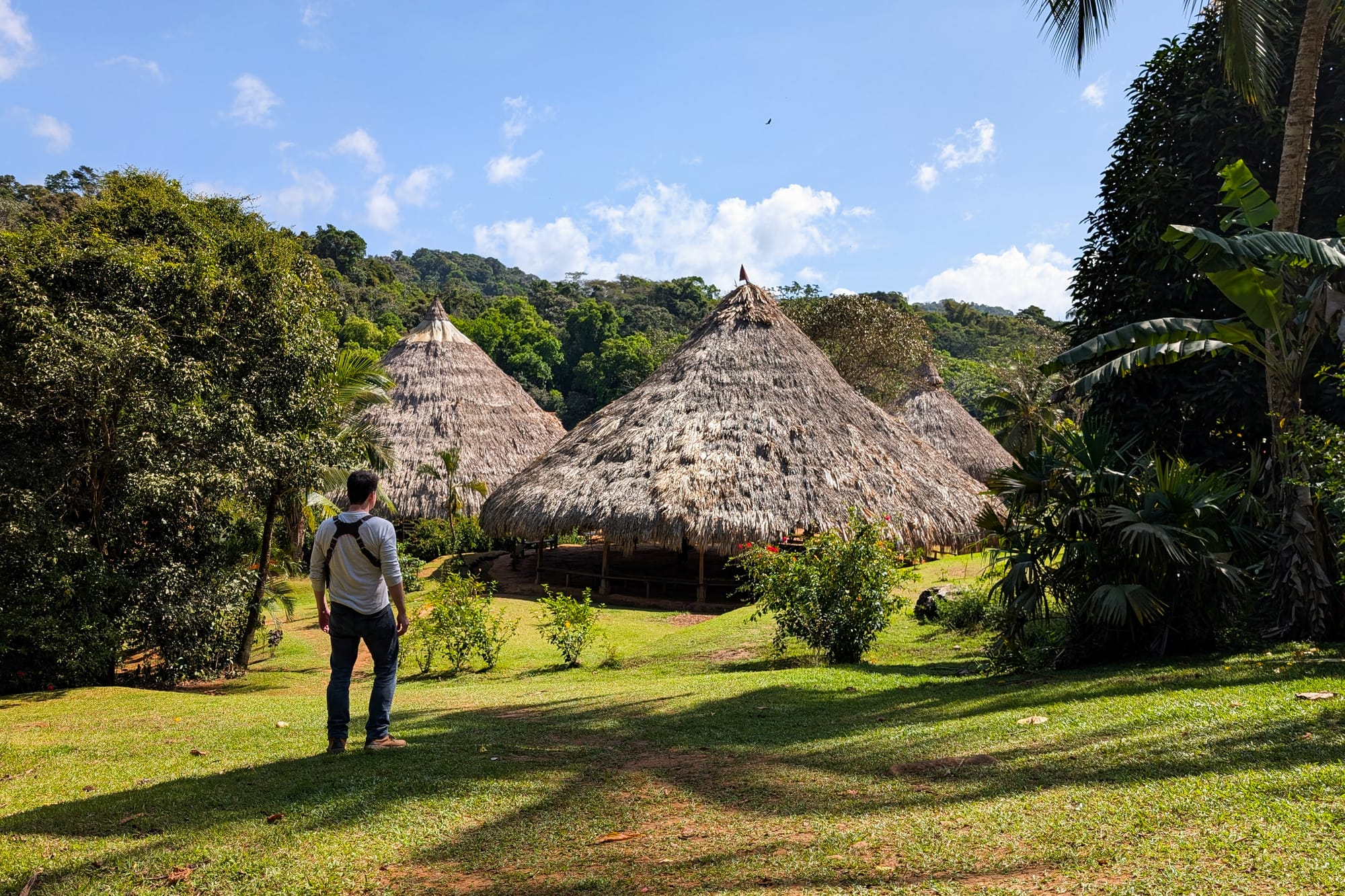
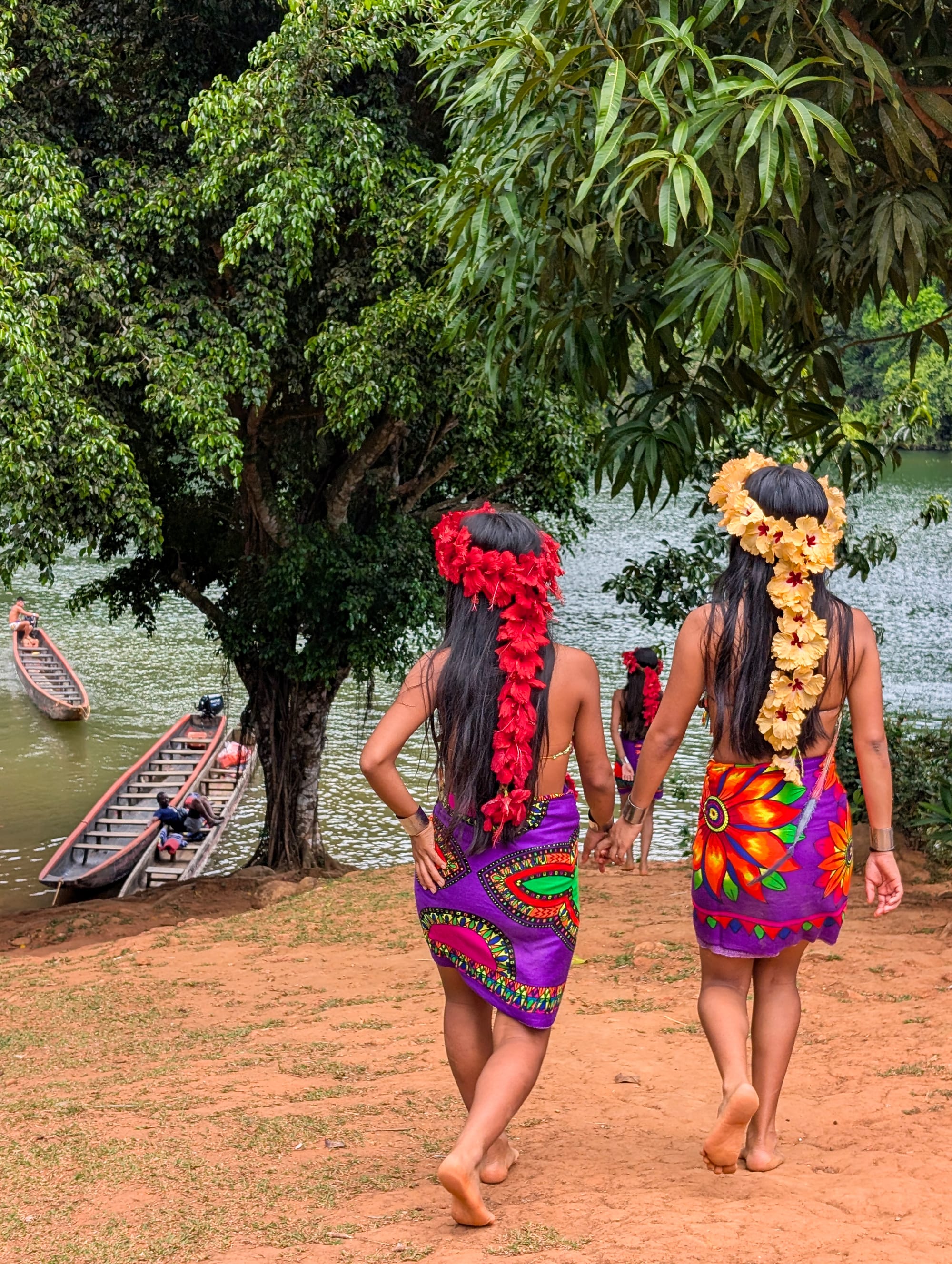
Today, not much remains of the original King’s Road, apart from a few small strips of cobblestone in various parts of the jungles and city. Having seen the start of the historic road, I set out towards the middle section. The Camino Real passed by Lake Alajuela toward the center of the Isthmus. Today, this interior region remains an untamed section of land. The original indigenous population of Panama was decimated by the Spanish through violence, forced labor, and disease. By Drake’s time, the Spanish had brought in African slave labor. Some of these African slaves escaped into the wild and created hidden communities in the jungle. They were known as the Cimarrones. Though today this jungle region is home to the Embera people. These Indigenous tribes are plentiful in the Darien Gap, though this far west, only eight communities reside in the area.
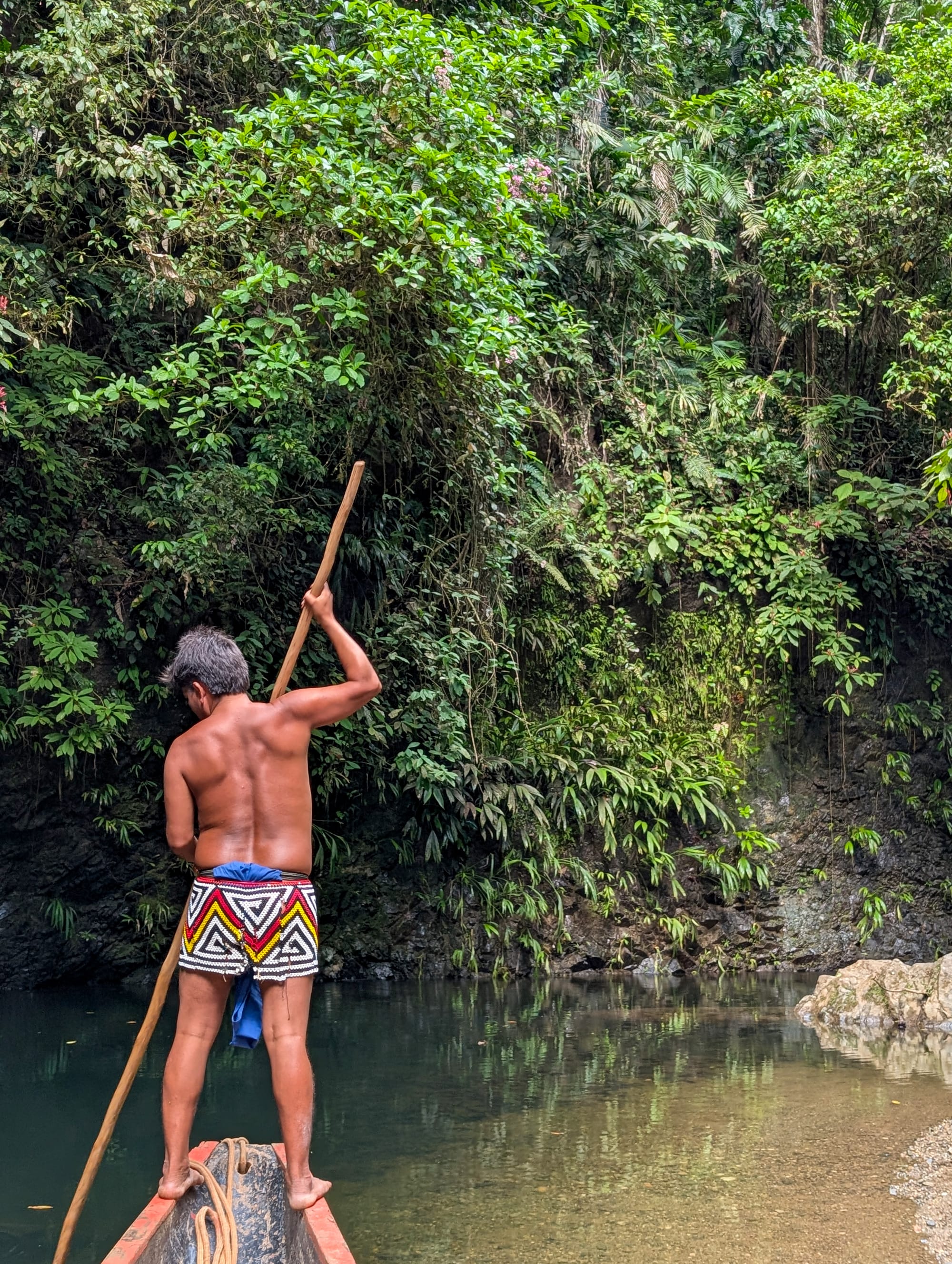
I hired a ride to a small port on the edge of Lake Alajuela and from there was taken by a small wooden canoe, guided by a member of the tribe. On our journey to the village, my guide explained that in 1984, the government put limits on the indigenous peoples' farming activities. The concern was that as their communities grew, it would eventually create enough loss of jungle that it could affect the local water system and impact the operations of the Panama Canal. As such, the indigenous communities had no choice but to turn to tourism to help them survive. In addition They reduced their farming operations and began building their homes' foundations with cement blocks, limiting their need to cut down as many local trees to produce lumber.
The village members are all considered one family. It is forbidden for villagers to date another member of their own tribe; as such, the village hosts other tribes for special occasions, such as matchmaking. During these events, activities that showcase women’s beauty and men’s strength are performed to establish pairings between the tribes. If a villager decides to move to the city and start a life with an outsider, they are allowed to visit but banned from ever returning permanently.
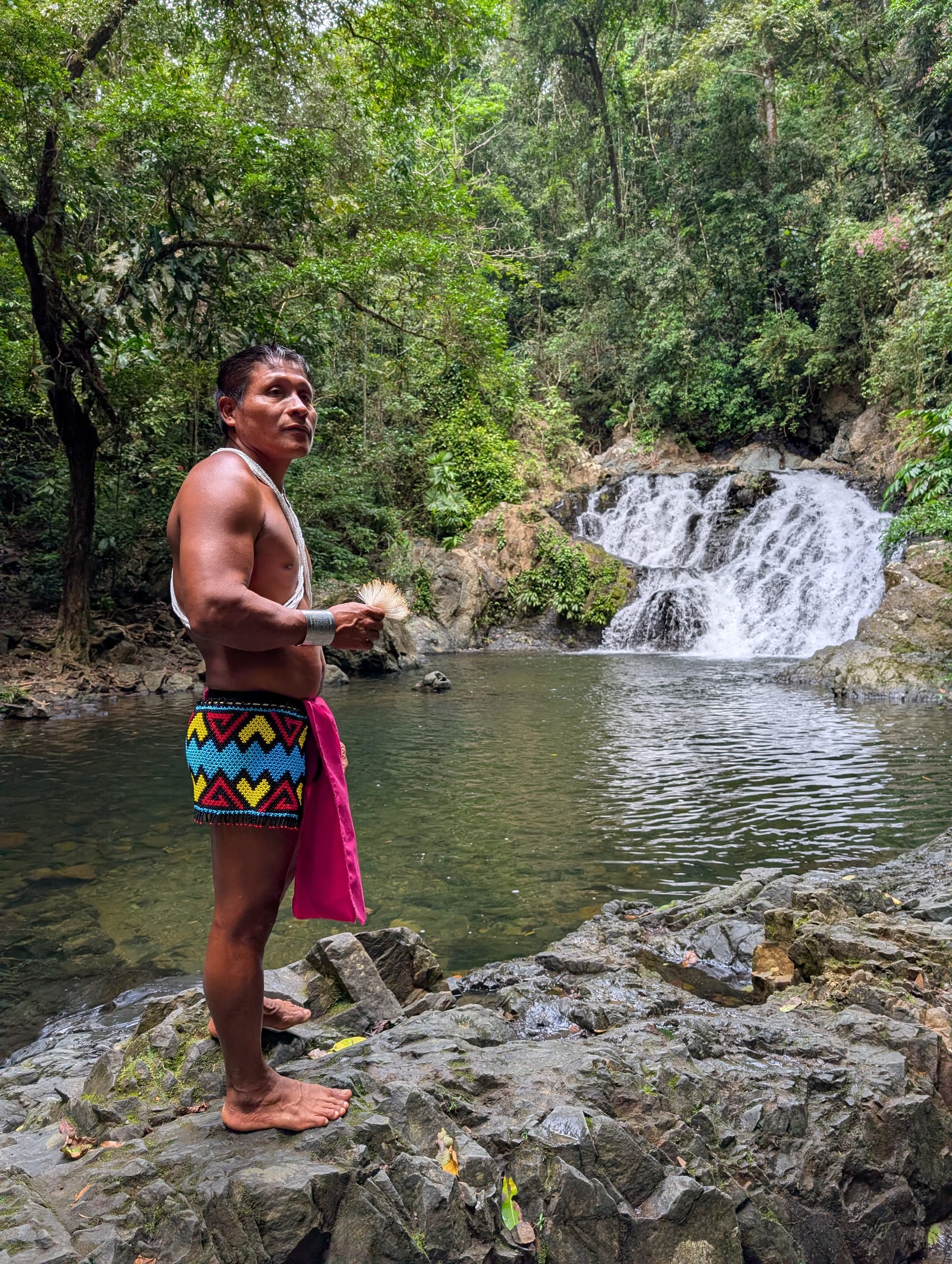
The village residents were genuinely wonderful people. They are all small in stature, and many are heavily tattooed with temporary inks. Their colorful loincloths and skirts match the fabric adorning their huts. The girl's flower head dresses reminded me of Polynesian culture and were beautifully designed. They seemed quite youthful as well. A man who had children and was in his late twenties appeared to be about 16 years old. I met with the much older chieftain, who was a pleasant man and had an entourage of younger helpers and personal protectors.
He taught me a few of their words, which differ heavily from Spanish. The government had mandated that the children receive the same education as other citizens, so a small preschool was built in the village to allow the children to learn Spanish before attempting the government-mandated curriculum.
After a tour of the village, their homes and church, we made our way back to the main communal huts. There, I watched them cook on the second story of one of the huts over an open fire. Access to the second floor was gained by climbing a sort of wooden totem pole shaped like a woman’s figure, with carved wedges serving as steps.
The food was served by the women as a sort of banquet feast. Local chicken, fish from the river, plantains, grape leaves, and various fruits and vegetables were offered up in cones made out of banana leaves adorned with hibiscus flowers.
After eating, I was shown several dances performed by the women while the men played wooden flutes and percussion instruments. I was pulled up by one of the women and asked to dance with the group. After being chosen to do this by Middle Eastern belly dancers, Polynesian dancers, and now this tribe, I suppose my face gives away my aversion to dancing, so it must be a fun game for them.
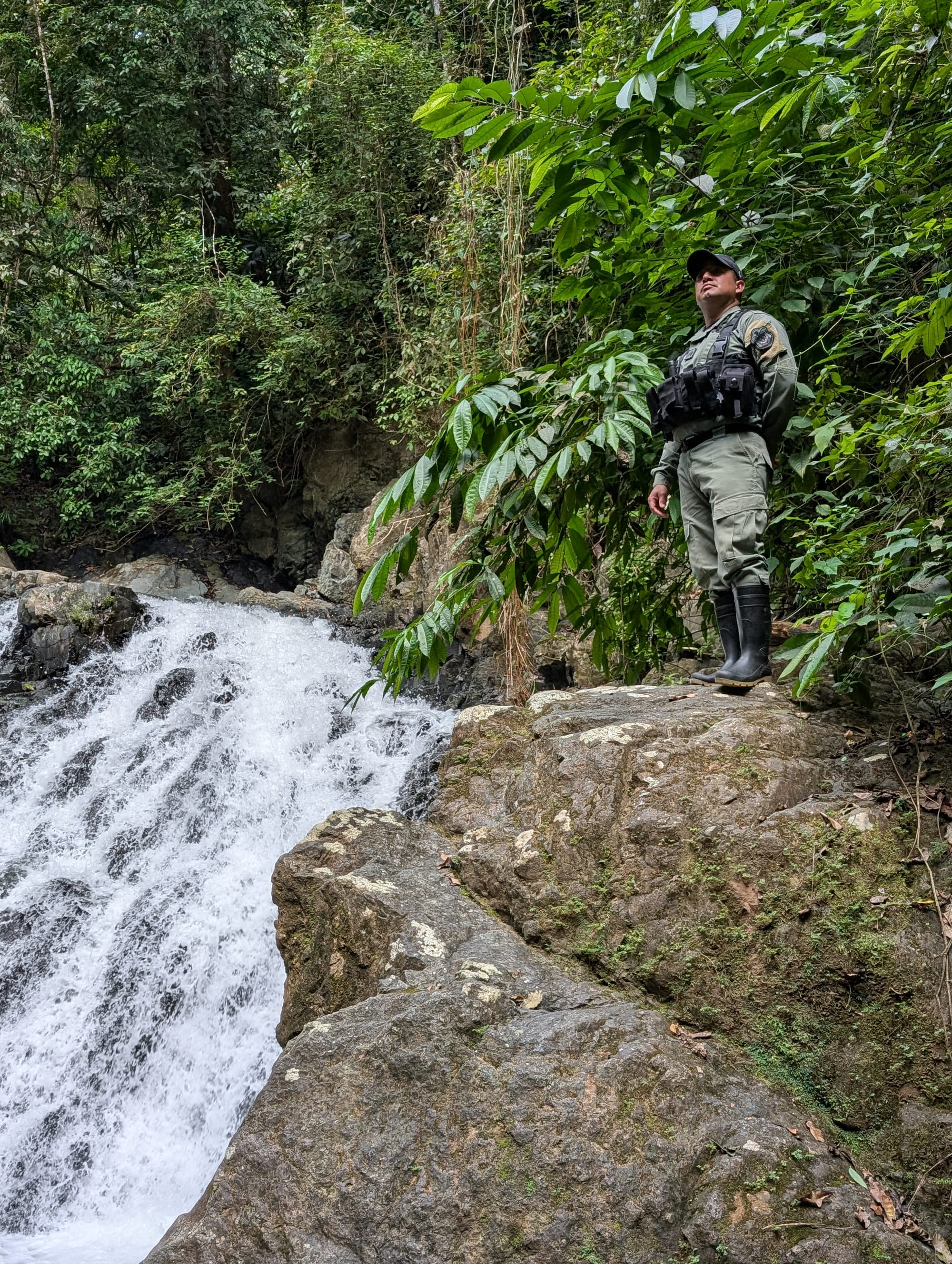
After a pleasant day with the tribe, I was taken further upriver to a smaller waterway that was walled in by a tall, rocky, fern-covered outcropping on one side and enormous jungle trees on the other. This led to a picturesque waterfall. I happened to look up and noticed a soldier belonging to the Panamanian army standing guard on a high rock at the top of the cascading waterfall. What he was there to guard or keep watch over, I can only imagine.
Having fully taken in the natural environment and unrelenting humidity, I couldn't help but imagine the Spanish Colonial troops traversing this jungle 500 years earlier. Guiding mules along the Camino Real would have no doubt been an exhausting and thankless job. Though my time with the Embera people was extremely pleasant, it didn't take much imagination to understand how unforgiving the wild terrain could be. Something I was about to experience firsthand on the next leg of my journey.
The Rio Nombre de Dios
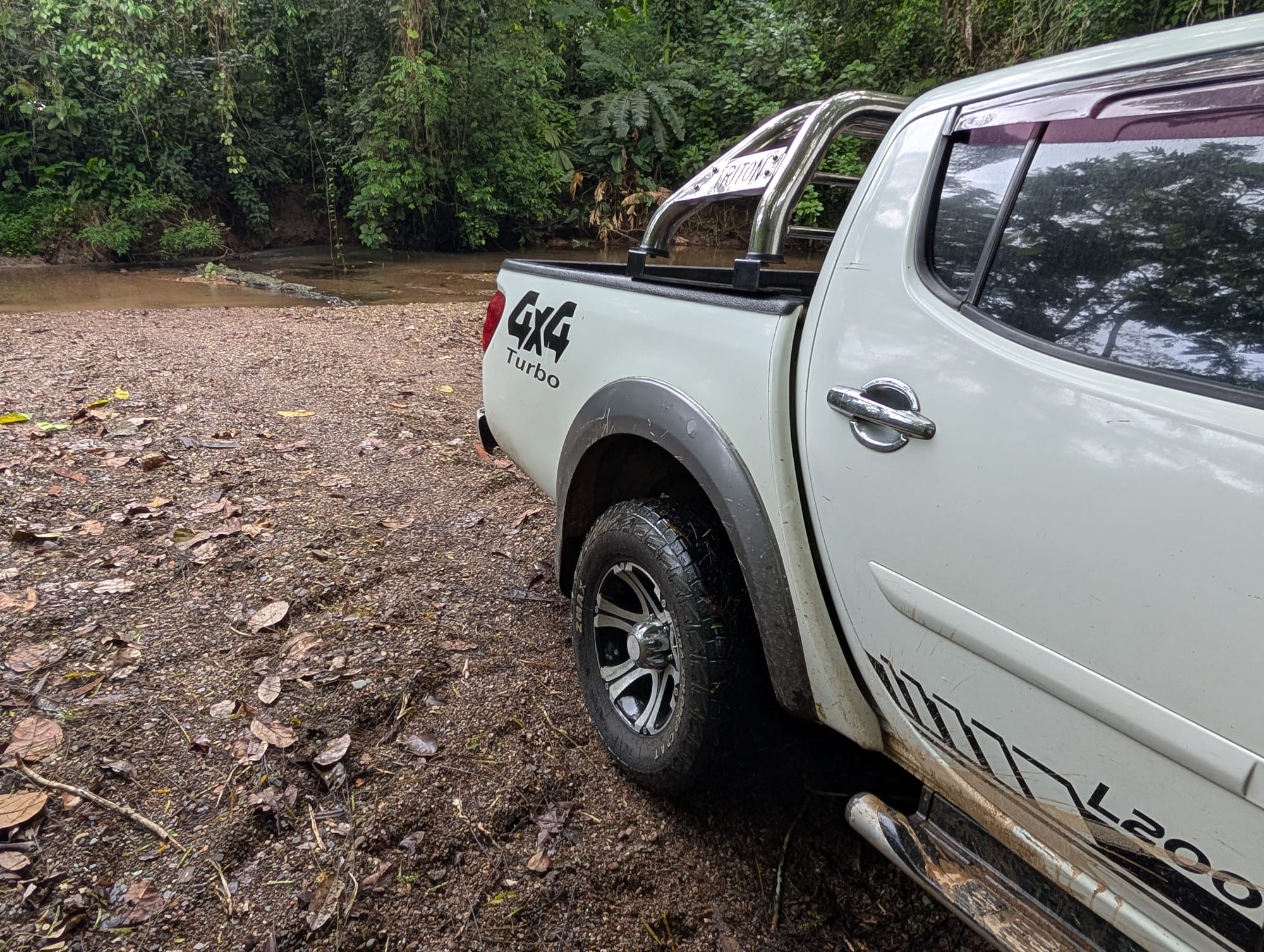
My next stop was a small hotel connected to a scuba diving center just outside of Portobelo. Here I laid out my gear in preparation for the next morning. My entire checked luggage had been overtaken by the necessary equipment. Metal detector, snake guards, hip waders, pin pointer, camp shovel, maps, compass, you get the idea. I had hired a local 4X4 truck in order to get to the Nomber de Dios River and with it, my search area. Having spent the last couple of years scouring any historical accounts I could get my hands on regarding Sir Francis Drake, I had become quite knowledgeable on the subject. I had also managed to narrow down the location of his ambush site.
Historical accounts vary on the exact date, but in late March to Early April of 1573, Drake and his men, along with many French soldiers and Cimarrones (escaped black slaves living in the jungle) attacked the Spanish on the Camino Real, or “King’s Road.” On this particular day, Drake and his allies, an estimated 80 men in total, were waiting on a nearby hilltop. Once they heard the mule bells approaching, they took position and set an ambush that earned Drake both his fame and fortune.
The Cimarrones were very influential in Drake’s life. Before Drake ever sailed the Pacific, he first saw it from the top of a jungle tree, guided there by the Cimarrons of Panama. Looking out across the endless blue, he knelt and prayed that one day he might sail an English ship upon that sea. “I beseech God to give me life and leave to sail once in an English ship in that sea.” History would grant that wish. Seven years later, he sailed through the Straight of Magellan during his circumnavigation of the globe.
Prior to the ambush on the Camino Real, Drake had sailed to the Francisco River located east of Nombre de Dios, and from there began his trek toward the site of the mule train robbery. It is thought that the Rio Francisco is presently called the Cuango River. Before that, he had made a base of operations on an island further to the east known as Fort Diego. Those islands were known as the Cativas Islands in Drake's time, but are known as the San Blas Islands today. The fort's whereabouts are a second worthwhile hunt to this ambush site.
By this point in his career, Drake had watched as the Spanish had killed many Englishmen, and he planned this attack as a sort of retribution for their past deeds. Spanish reports say the ambush took place at the River Campos, though no one is certain which river that refers to today, as no known map of the era shows that river’s name. The ambush was executed to perfection, though some Spanish troops at the front and back of the line ran off, some back towards Panama, and others at the front, onward towards Nombre de Dios. Drake’s men captured more treasure than they could carry and hid what they couldn't bring with them in the nearby surrounding area. They spent two hours hiding the treasure before they heard the Spanish with reinforcements returning from Nombre de Dios. Written accounts describe them hiding the treasure in the burrows of land crabs, under old rotten trees, and in the sand and gravel of a river, in not very deep water. The French say they hid some on an island of gravel in the river. Their intention was to come back and retrieve it in the future.
One drunken French Soldier got lost in the jungle and was captured to the east of the ambush site while heading back in the general direction of the allied ships. It was written that the Frenchman was caught at a dam that was being built on the Factor’s River. The Spanish forced him to give up the location of the hidden treasure. Up to 2000 Spanish were tasked to dig out every possible hiding place of buried treasure. Some of Drake’s men later returned to the site and found a bit of gold and 13 silver bars, so it is possible that some treasure still remains in that area.
There are many accounts of the Spanish using the rivers to travel through the jungle, where the growth was not so dense, following the riverbanks as natural trails. In fact, a 16th-century French account describes traders coming from Panama to Nombre de Dios, passing three rivers, often carrying gold and silver submerged in water that covered half their bodies. Though the rivers would have forced them to deal with water issues, if the river had a bed of sand and gravel, following it would have mitigated the risk of getting stuck in deep mud while avoiding both steep terrain and dense jungle growth.
There is a mention of the Frenchman caught to the east of the ambush site at Factor’s River. Running south from Nombre de Dios are two rivers. The Rio Nombre de Dios, and further to the east, the Rio Fato. Given its name and easterly position, present-day Rio Fato is almost certainly the Factor’s River. A small section of the Camino Real still remains heading south from Nombre de Dios, and it crosses over the Rio Juan Miguel, which is a small stream that shoots off as a tributary of the Rio Nombre de Dios. The Camino Real crosses this stream very near the Rio Nombre de Dios before disappearing entirely. One could think that the small Juan Miguel stream is the River de Campos in the historical accounts, but the French mention hiding the treasure in the gravel islands and sand of the river. The Juan Miguel is too small to fit that description; however, that account describes the Rio Nombre de Dios perfectly, making it our target. But where on the river?
Spanish accounts say the attack happened between one and two leagues from Nombre
de Dios. But was this a Spanish land league of 1.36 miles or a nautical league of 3.45 miles? This difference in units of measurement, along with the “one to two leagues” comment, indicates the area is somewhere between 1.36 and 6.9 miles south of Nombre de Dios. The Camino Real is known to clear the Juan Miguel tributary 1.53 miles south of the town. It is also mentioned that from Drake’s camp, he could hear sounds coming from Nombre de Dios, and that the Spanish who escaped reached the town and returned in two hours. Making a 7-mile trek unlikely.
Taking into account inaccuracies in the story, the average person on uneven terrain would take 1.5 hours or longer to cover 3.5 miles. That is three hours there and back, not taking into account the time it would take to assemble the reinforcements, which is being generous with an over calculation. Meaning it is safe to narrow the search area down to the Rio Nombre de Dios, from 3.5 miles south of the town to 1.5 miles south, where the Camino Real is known to pass the Juan Miguel tributary. That leaves us a two-mile section of jungle river, not an impossible task.
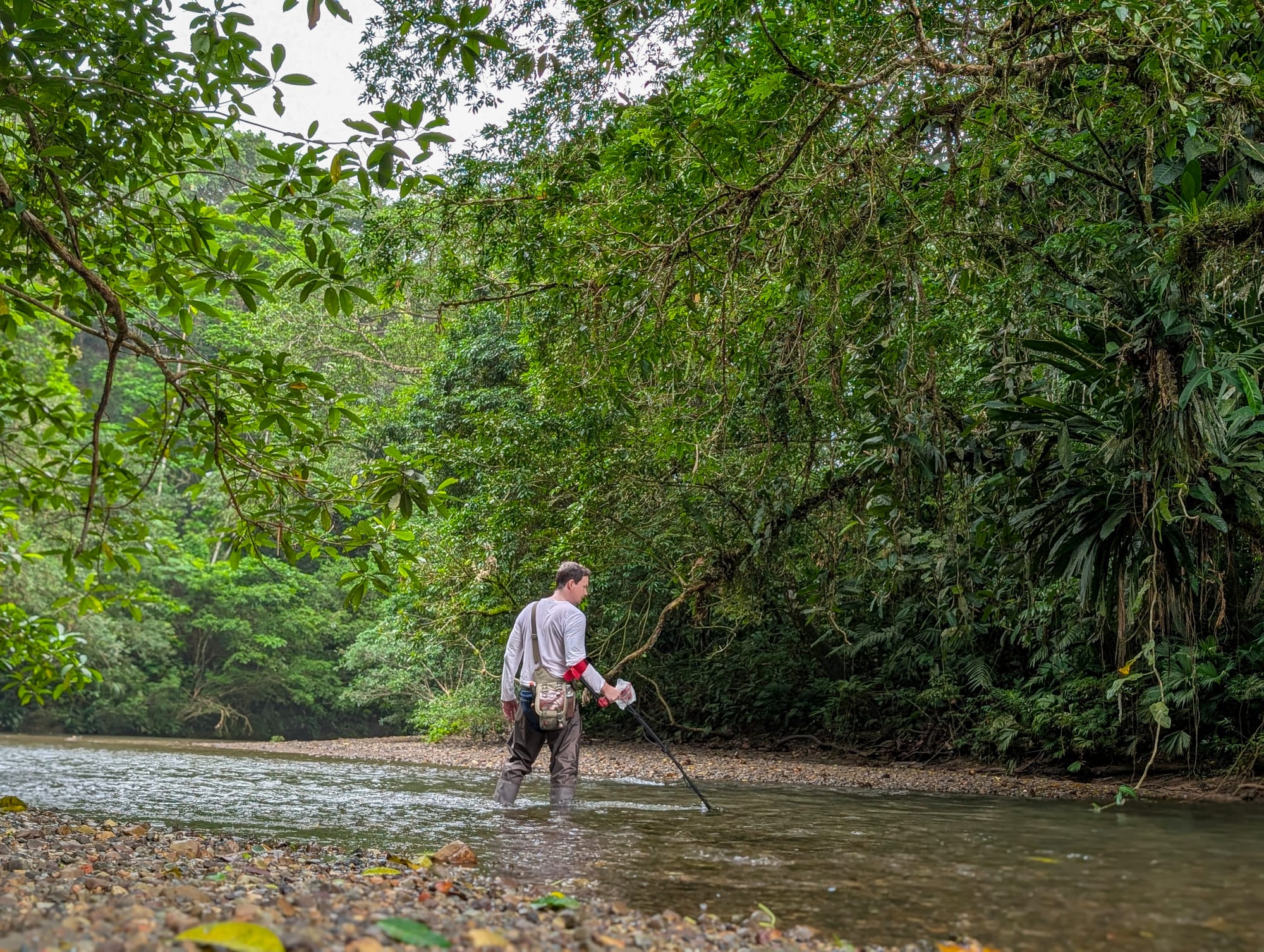
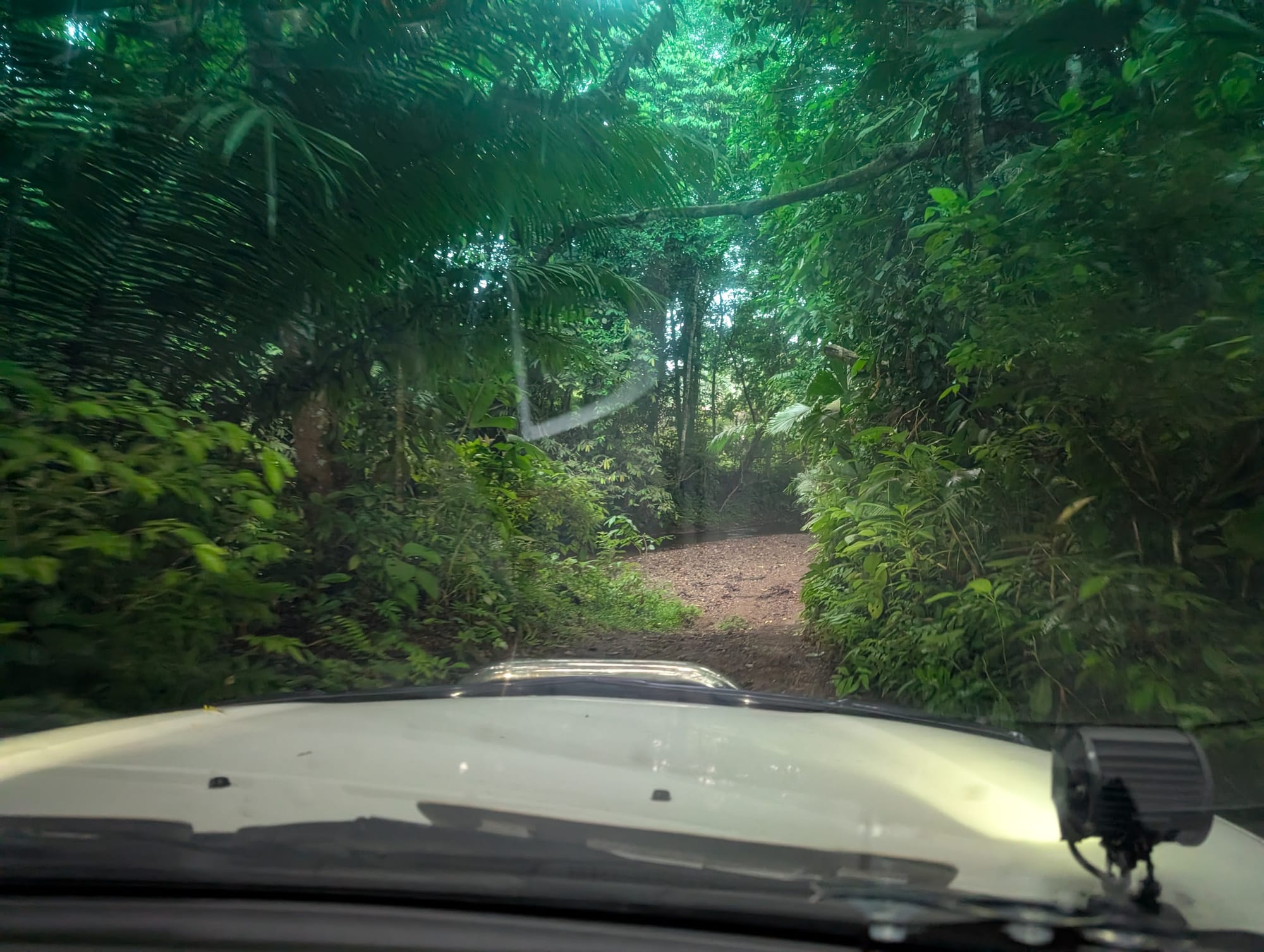
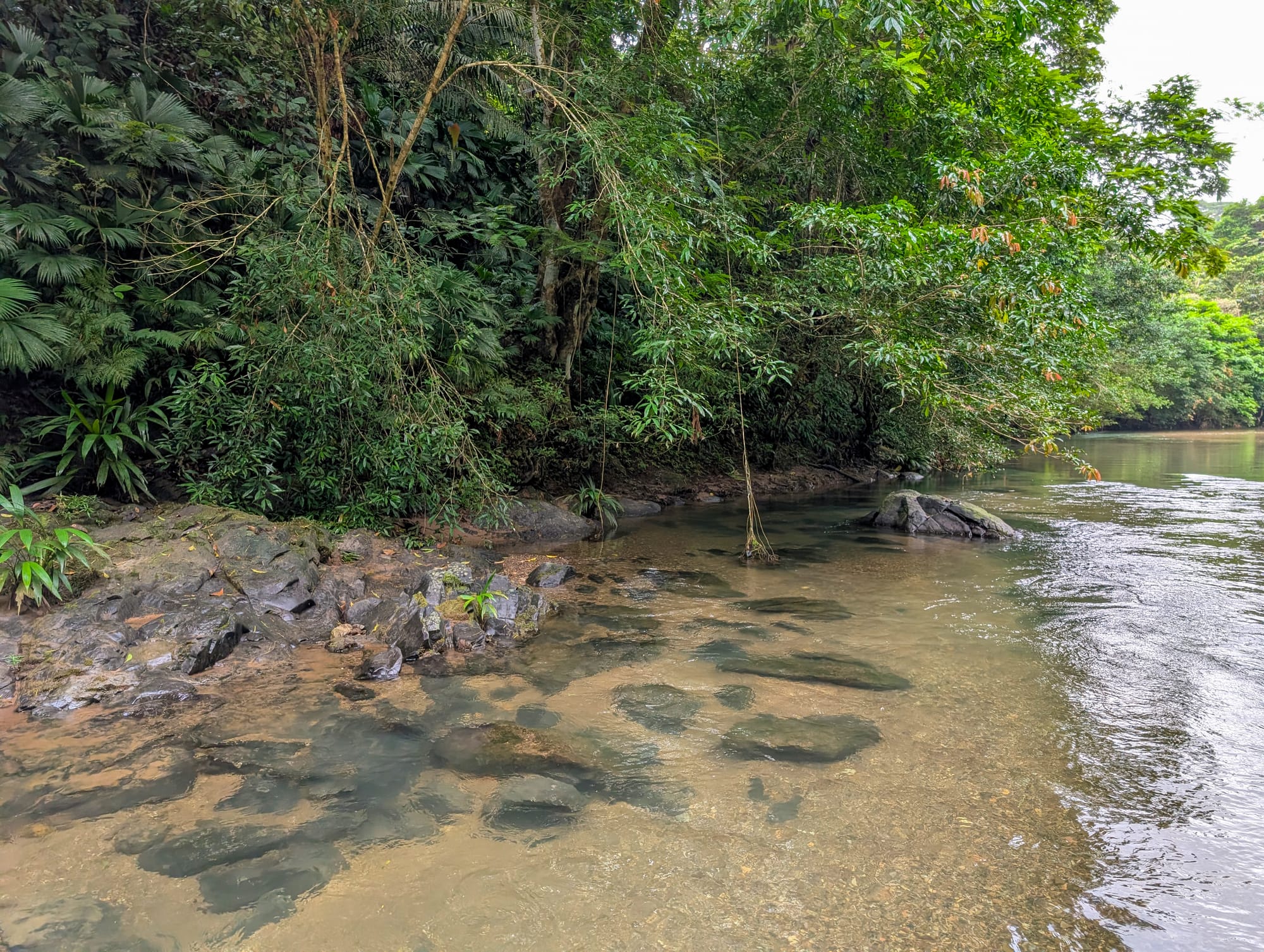
The next morning, I took a side road off the main highway from a small grouping of houses known as La Linea. That dirt road actually continues into a tributary of the Nombre de Dios River, putting the higher ground clearance and Four Wheel Drive to the test. Having come to a stop on a gravel riverbank, it would be on foot from there. I had chosen to come in late February during Panama’s driest month to make the river trek and metal detecting as easy as possible, but Mother Nature had other plans. As luck would have it, the Atlantic coast was getting an unprecedented amount of rain for the season, which would make the search more difficult in many ways. The water would be higher, making digging more difficult; the current would be stronger; the snakes more active; and the coastal crocodiles would be moving upriver in the deeper water to hunt. I could handle all of that, but the forecast called for extensive thunderstorms for the rest of the week, making that day my only available search window. For obvious reasons, you don't want to be standing waist-high in a river swinging a metal detector during lightning storms.
As I took my first steps into the Rio Nombre de Dios, all my research and theoretical studies quickly turned into fieldwork. No coffee on earth can wake you up in the same way a jungle river can. Trudging solo through thigh-deep river water and lush vegetation makes you hyper-aware of how vulnerable you really are. You can either focus on the fact that any log could be a crocodile or that any stone could be concealing buried silver. I instead chose to focus on the fact that I was walking in Drake’s footsteps. That thought alone managed to fortify me against the ever-present dangers. Luckily, I didn't encounter any snakes or crocodiles, but the river and surrounding vegetation were teeming with life.
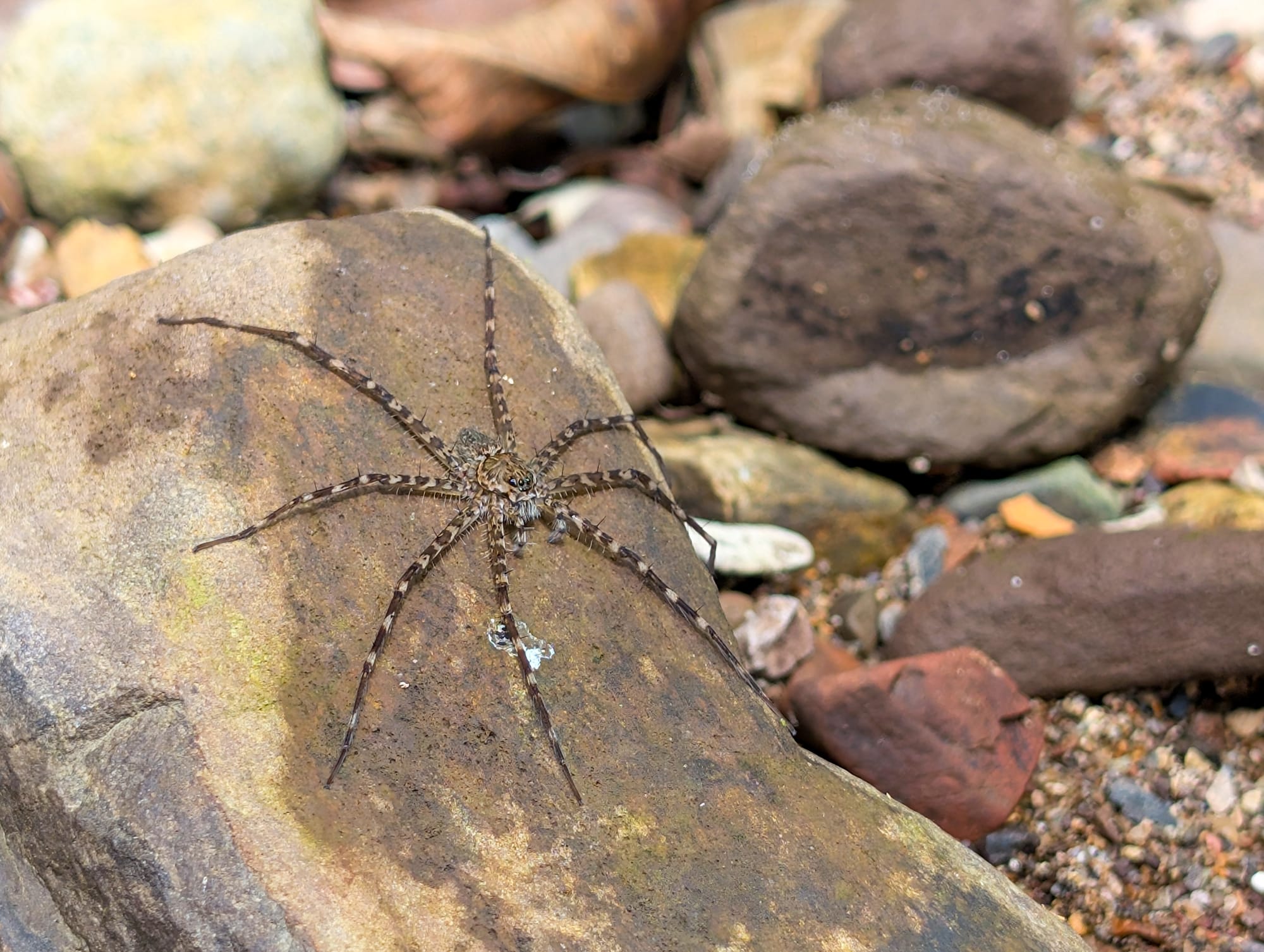
I saw many large spiders, several Jesus lizards running across the water, and even a few poison dart frogs. Nearly every log teemed with leaf-cutter ants and metallic blue butterflies, and the jungle’s sounds added even more life. The environment was alive with bird calls, insects, and monkeys. I heard a Howler monkey give a distinct call that I instantly recognized as the Dilophosaurus from Jurassic Park. It seems even Steven Spielberg's sound design was a testament to the Isthmus's exotic nature.
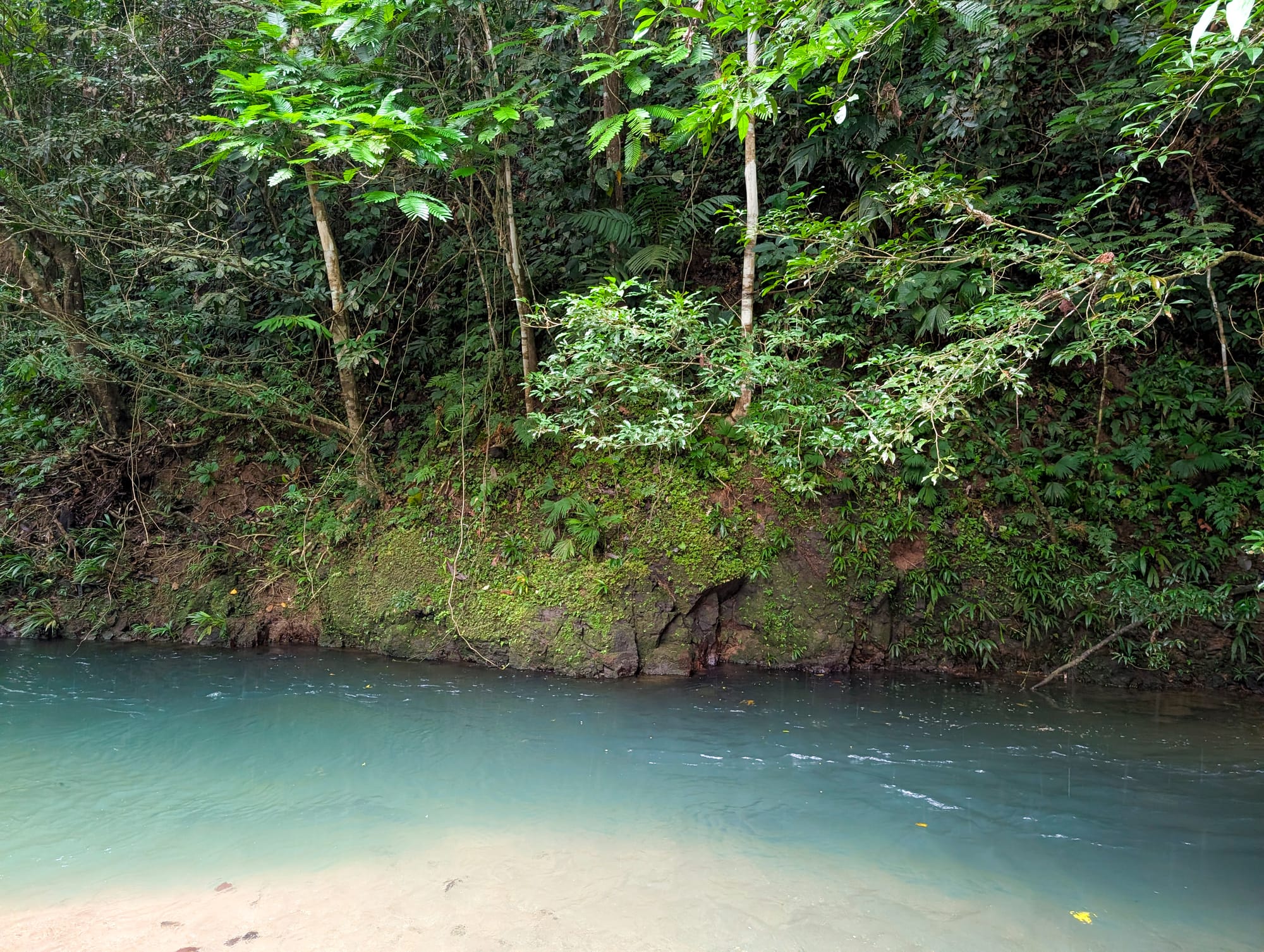
The river matched the historical accounts perfectly. There were some banks and small islands made of gravelly soil, a mixture that often gave way to heavy steps. Many times, my legs would sink in deep, making walking more difficult. I have handled ancient gold bars, and I can tell you, given the weight of silver and gold, it is likely the Spanish bars had sunk quite deep over the centuries. The recent rain had made the river deeper than I would have liked, though with some methodical testing, it was possible to find a way forward without exceeding the waist height of my hip waders. Unlike the Strait of Malacca, this waterway was not often used, and so it was in pristine condition, meaning the hits on my detector were few and far between.
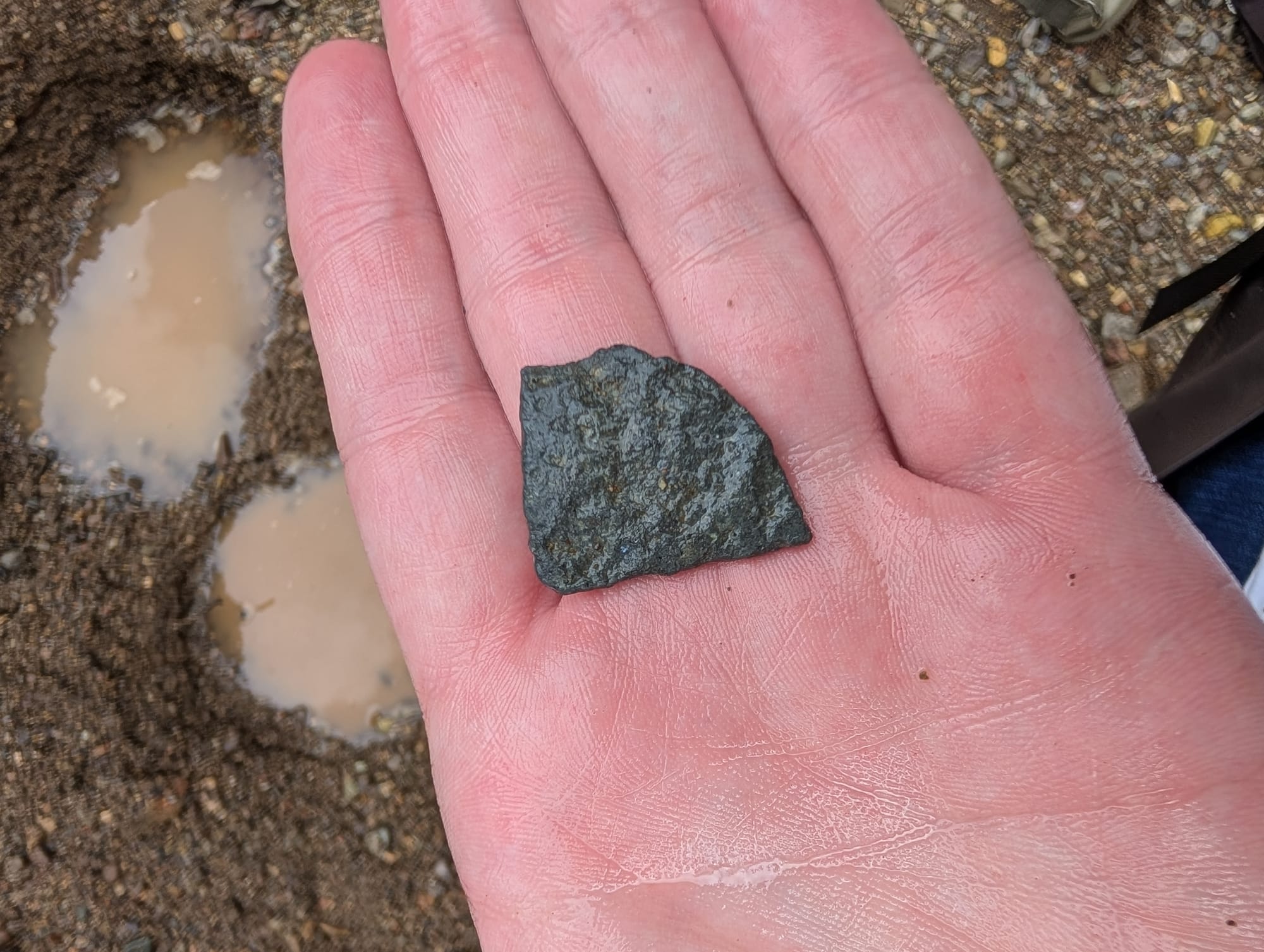
Closer to the path where I had left the 4x4, my detector uncovered some barbed wire and a small pipe, both relatively new and likely connected to a cattle farm I had spotted near that initial area. But as I travelled further up the river, just before I reached the center of my search area, the hits began to reveal things that were much older. The first artifact was a small bit of metal, round on one side, with two straight edges forming a sort of pie slice, like 1/4 of a circle. It was thin like a coin, and certainly old enough to be from the correct time period of the Camino Real and the Colonial Spanish who frequented the trail. The Spanish had Reales, often called Cob Coins, which were sometimes divided like a pie into smaller pieces to make change. The object was too far worn to make out any distinguishable features, but nonetheless, I had just found my first bit of history out on the river.
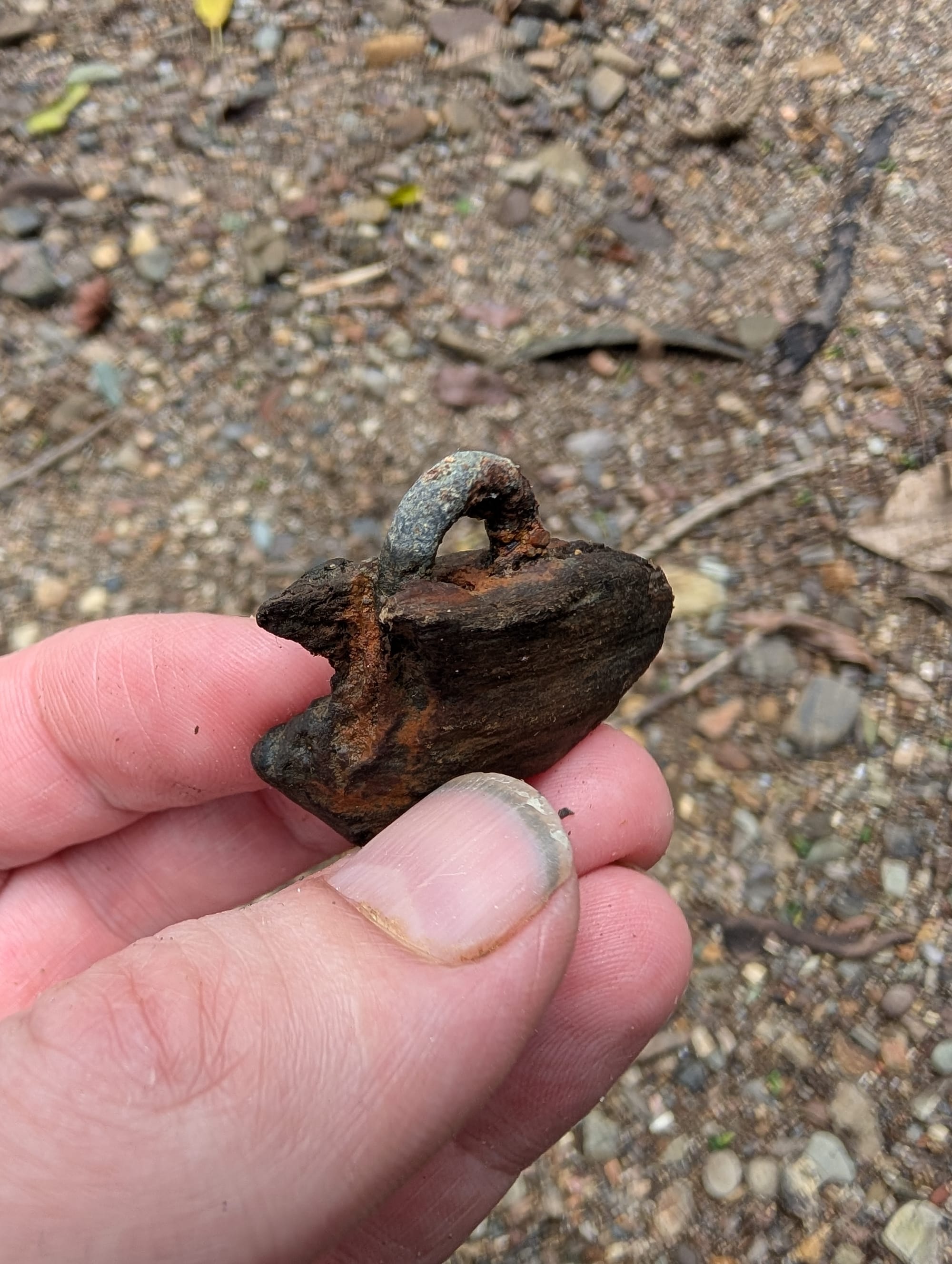
Not far along, further up, I found my second. It was a small hand-forged iron fitting; the heavily corroded wrought iron loop would later be identified as a period-correct mule cargo strap attachment point. As a friend pointed out, "when Drake surprised the mule train. The panicked mules strained against the straps and the weight of the silver and gold. Breaking the straps and likely the piece I found centuries later." Given the two hits in a row, I had just narrowed down the location of the ambush site. Spurred on, I continued upriver, swinging my metal detector side to side with hopeful anticipation.
Though the world has a way of keeping its secrets guarded. I dug one further hole, looking for another hit when I began to feel extremely dizzy. The extreme heat and humidity had led me to go through the vast majority of my water supply on the trek upriver. I had barely any left and still had to make my way against the current the entire way back. Heat stroke is not something to take lightly, and my body suddenly felt off, like it was shutting down, not from exhaustion; this was something else. In addition, the skies were beginning to darken, possibly bringing the start of the thunderstorms. In truth, part of me hoped for the impending rain to come as a means to cool myself down. Yes, I could dunk myself in the river, but sections were quite murky, and I had learned my lessons with parasites from river water in Peru on a previous trip the hard way. I made the difficult decision to nurse my remaining water and begin the long hike back to the truck, fighting the current the entire way. As I did, I could feel my disorientation getting worse. For a moment, I thought I had perhaps pushed things a little too far on this one, but luckily, I managed to make it to the 4x4 and subsequently a cold shower back at my hotel.
Nombre de Dios and Portobelo
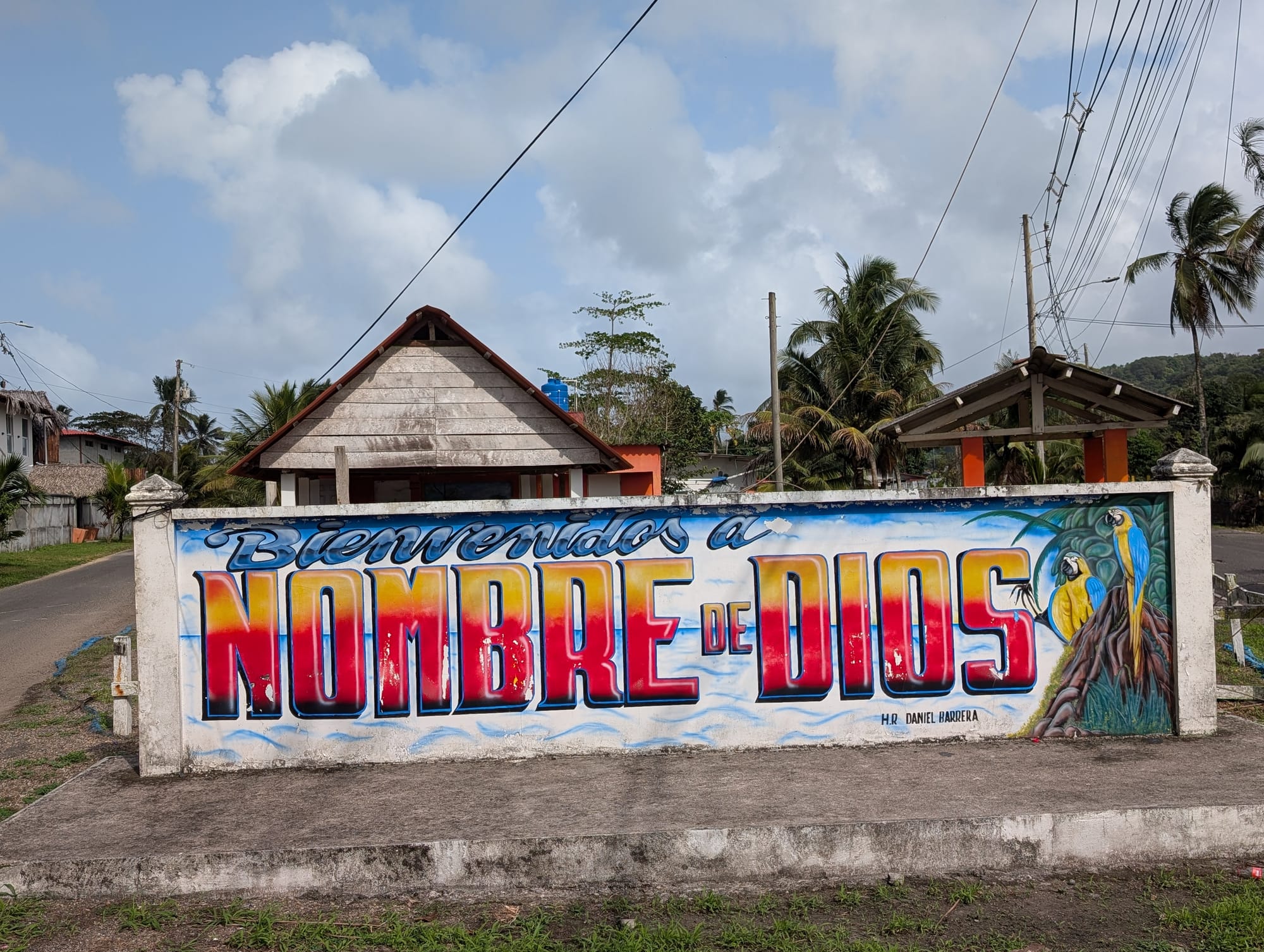
I completed my journey exploring the historical cities of Nombre de Dios and Portobelo on the Atlantic coast. In between sudden but short-lived thunderstorms and showers, I managed to retrace some other key historical sites. The small city of Nombre de Dios was where the Spanish unloaded the mules and packed the treasure aboard ships for transport back to Spain. That was how the operation ran until Sir Francis Drake returned in 1596 and set the town, harbor, and ships ablaze. To be honest, there wasn't much to see in modern-day Nombre de Dios. It is not much more than a small, run-down fishing village. After its destruction, the Spanish moved the end of the Camino Real to the town of Portobelo, my final days in Panama would be focused there.
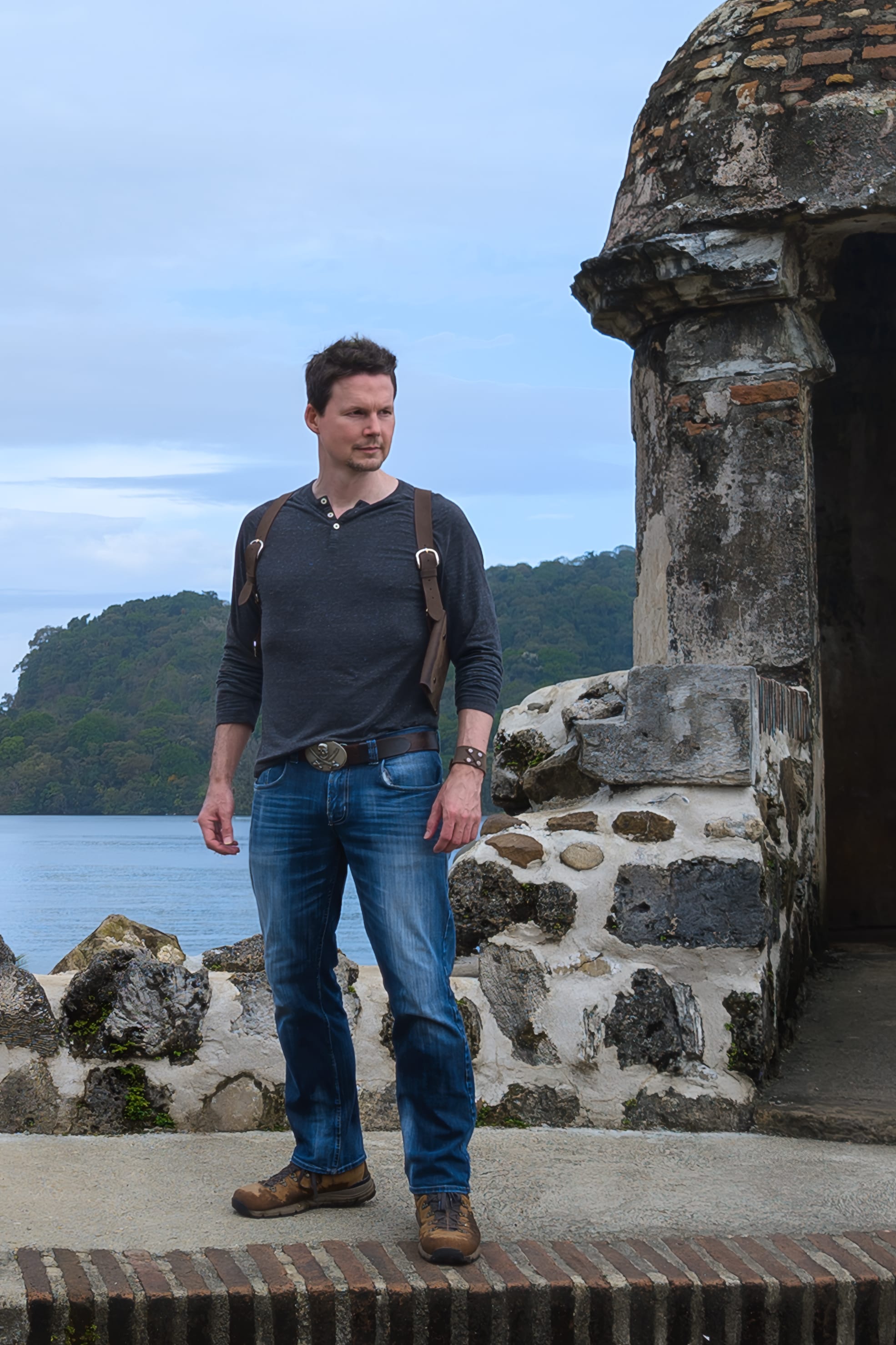
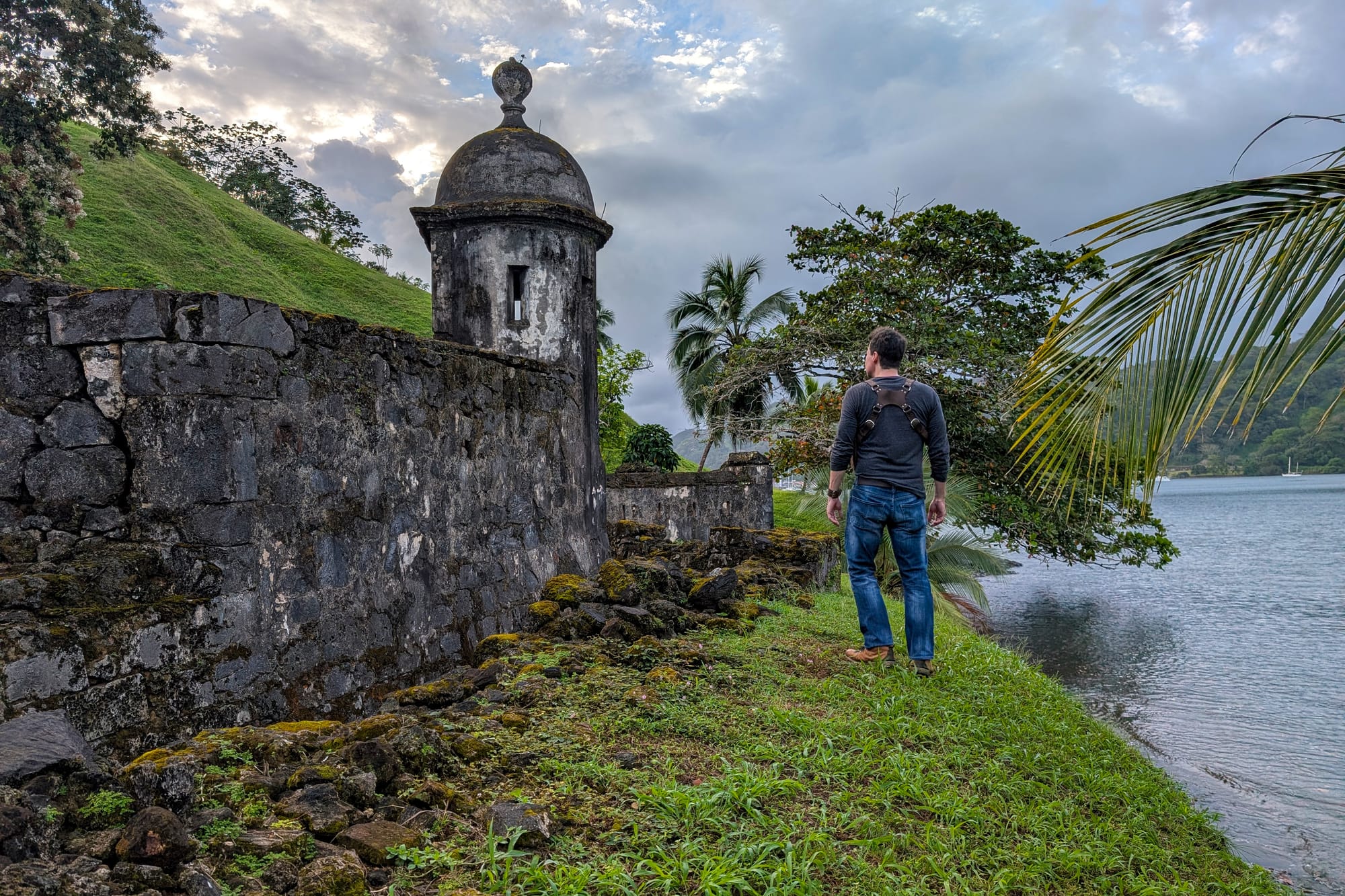
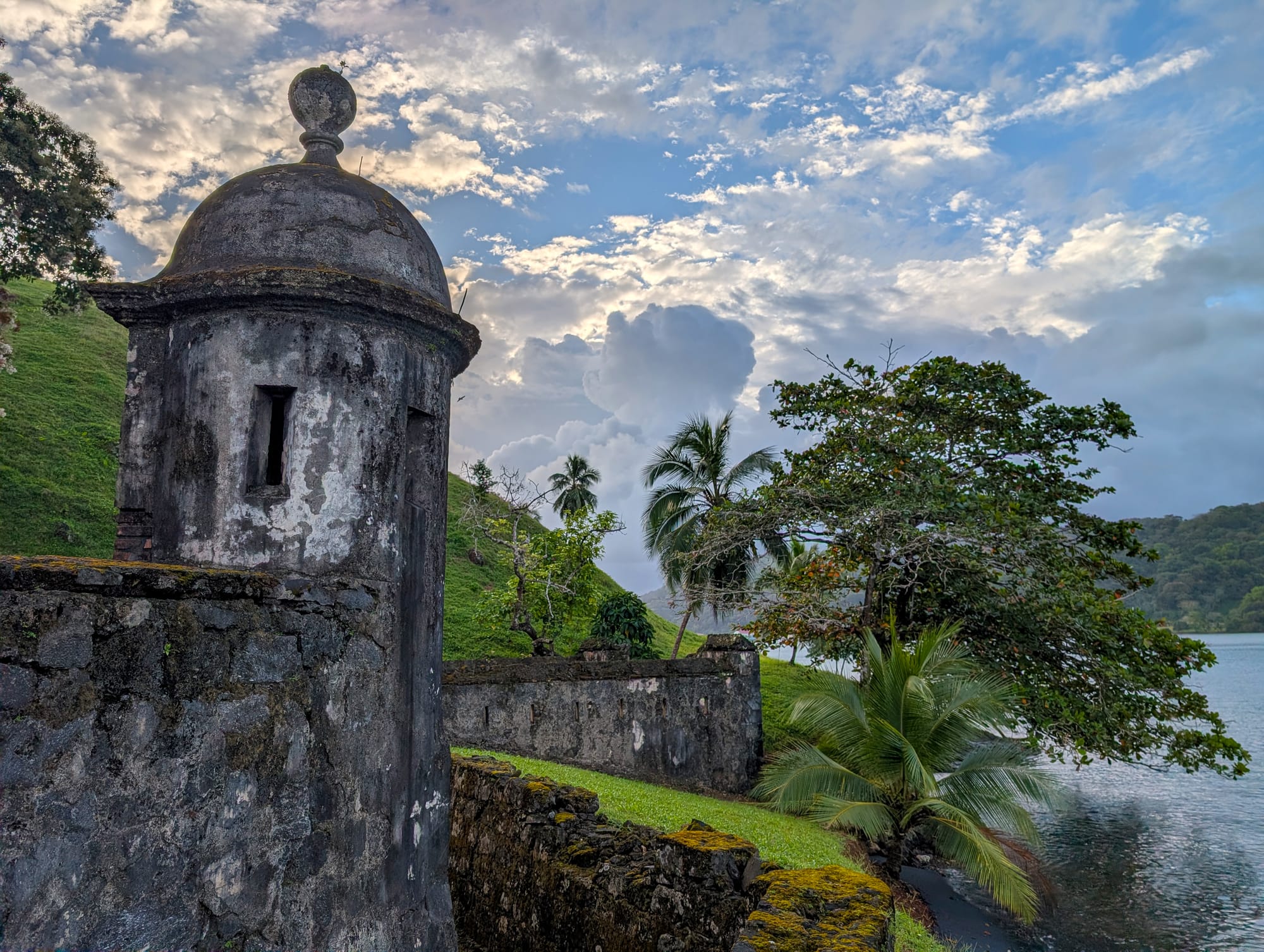
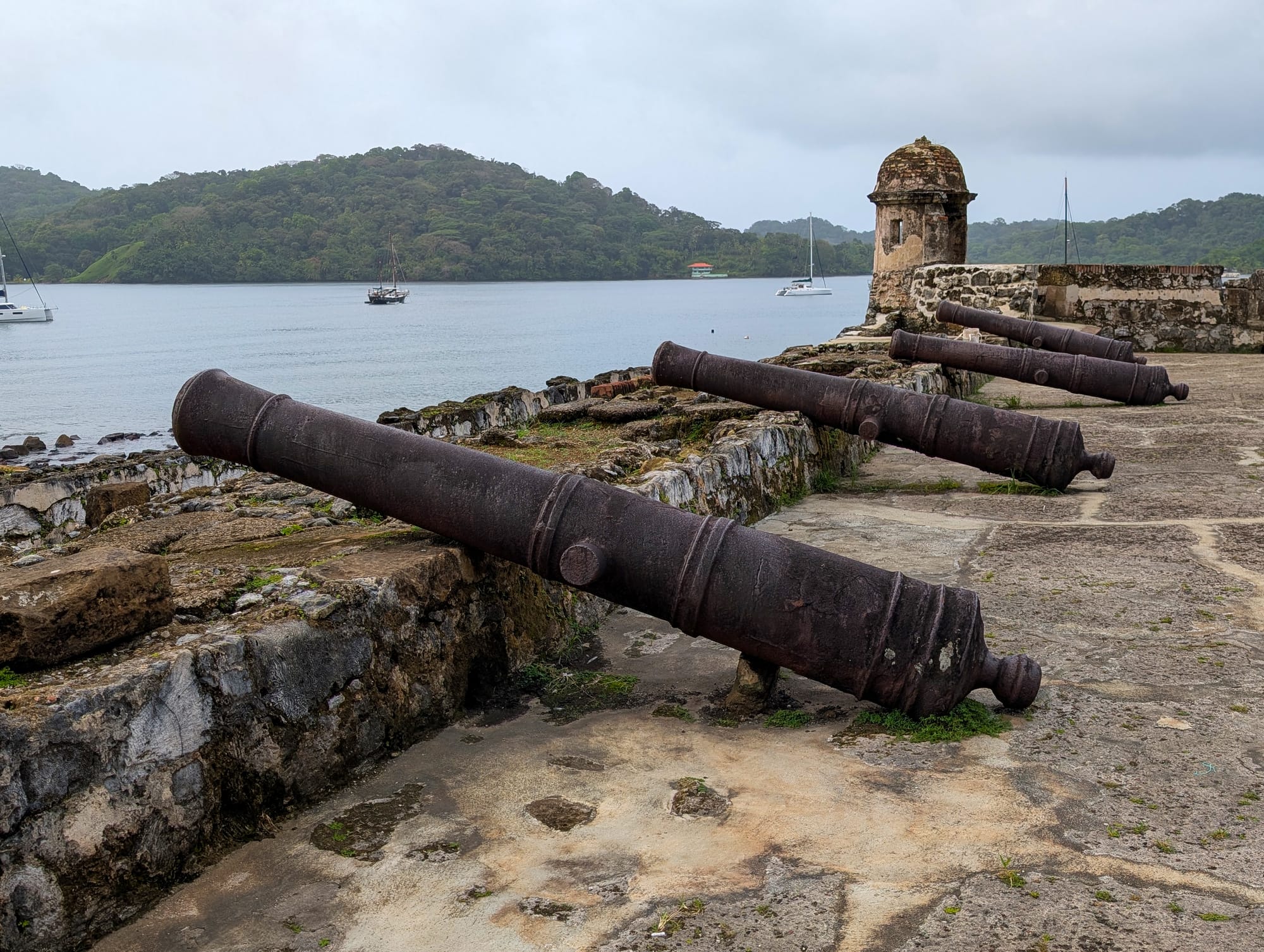
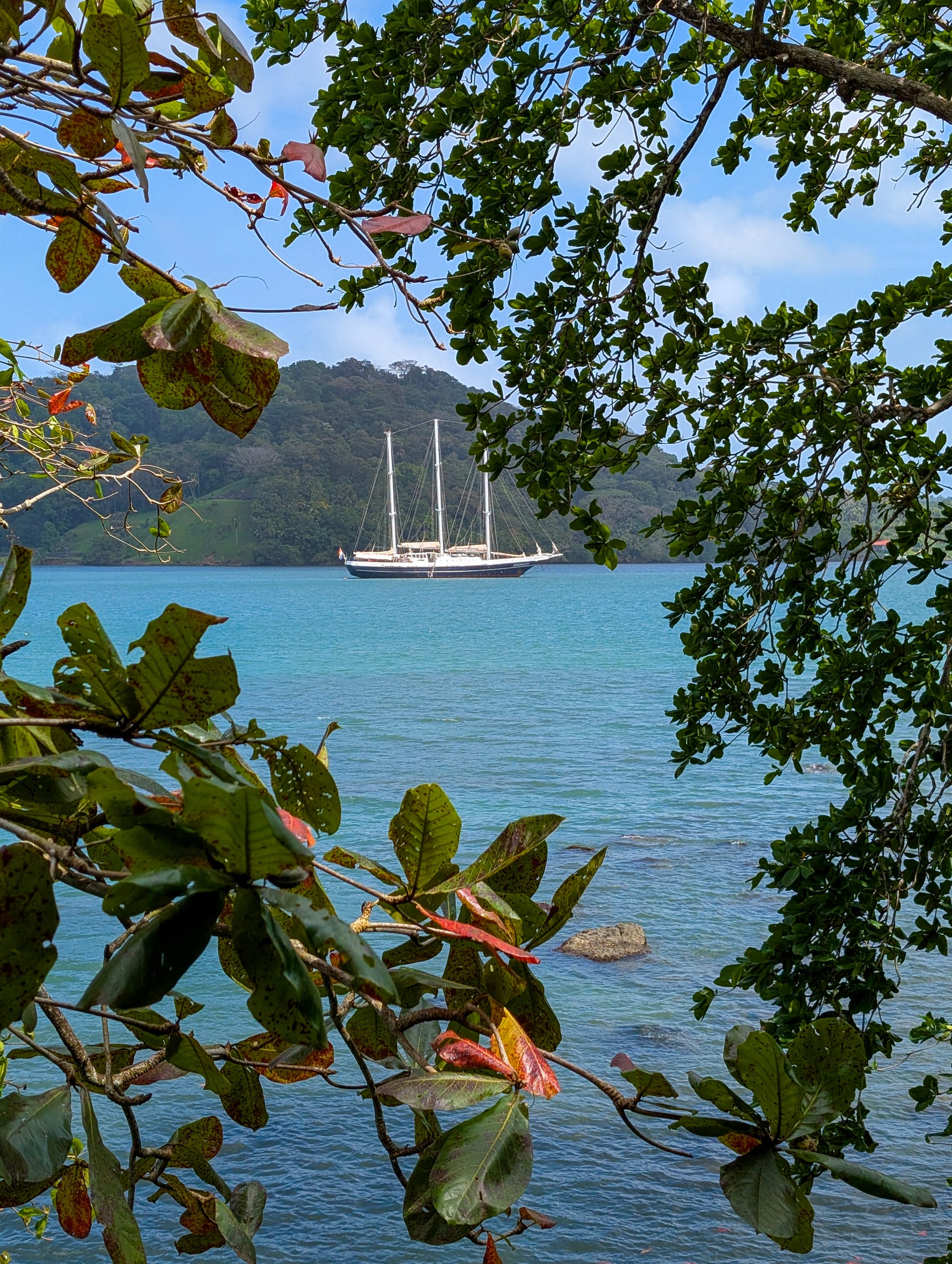
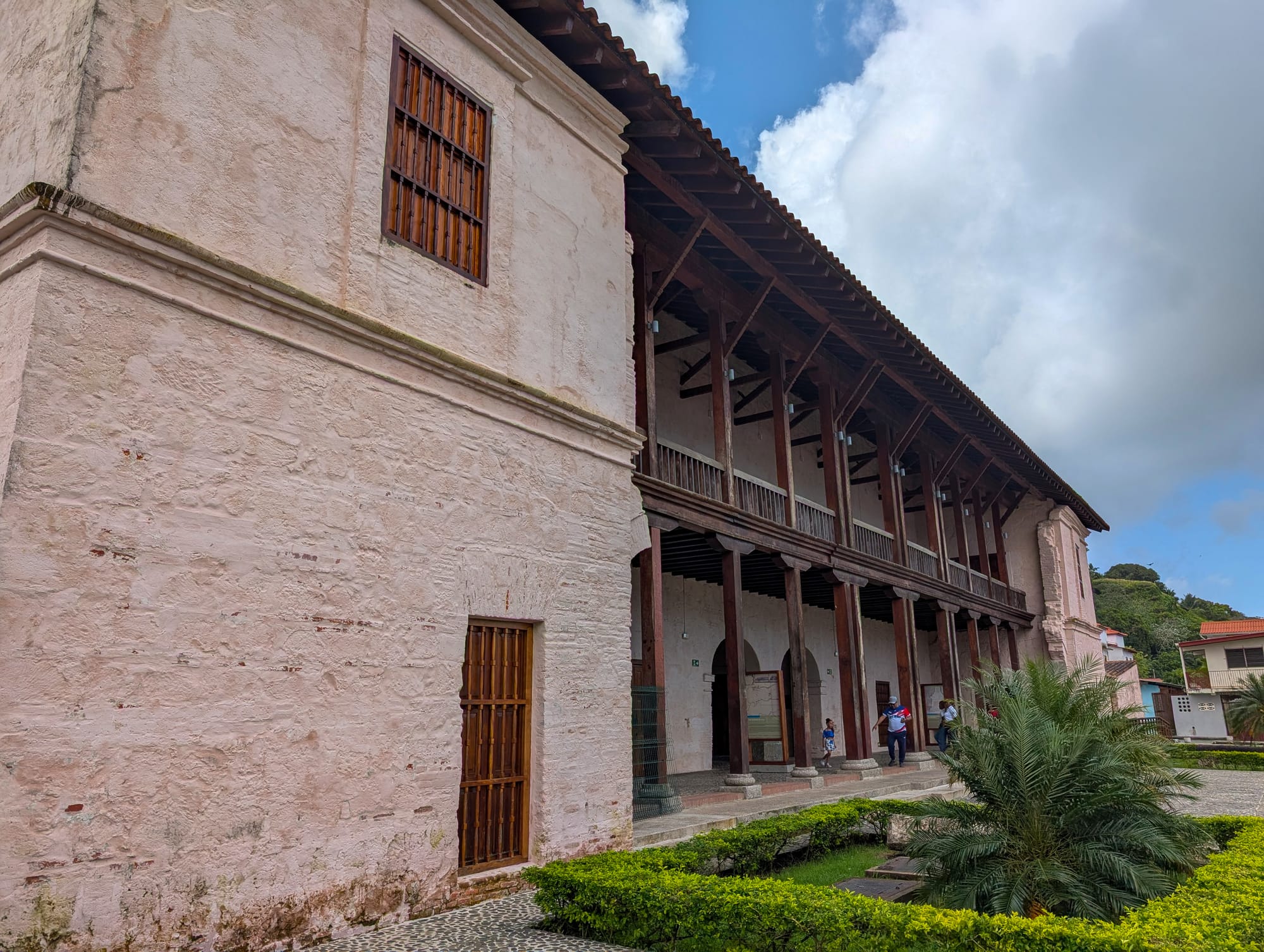
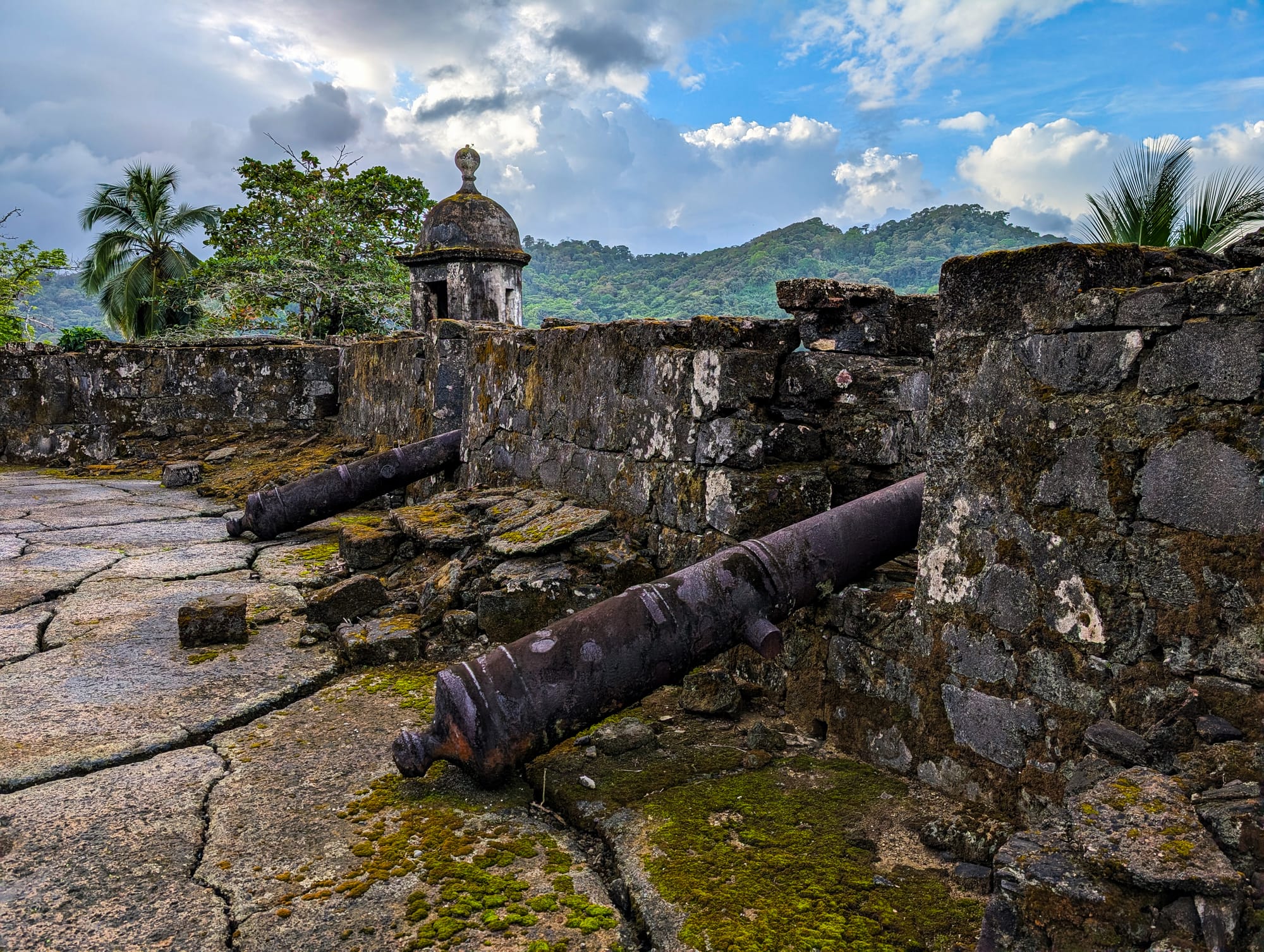
Portobelo is a town rich with history, though if you are just passing through, you need to know where to look. Given the close proximity of my hotel, I decided to walk into town. Along the road, just off to the side of the mouth of the bay, I noticed an old stone platform blending into the hill’s dense vegetation. The average person may walk past this rampart and not even notice that it was there, given how thoroughly the jungle has worked to reclaim it. It was likely a cannon platform, positioned to spot and attack enemy ships as they attempted to enter the bay, leaving the forts closer to the harbor to finish the job. There are, in fact, three forts remaining. The mouth of the bay lies to the east. Fort Santiago is on the southern shore, San Jeronimo to the east in the harbor, and San Fernando on the northern shore. There are two other points of interest, the customs house by the harbor and Drake’s Island.
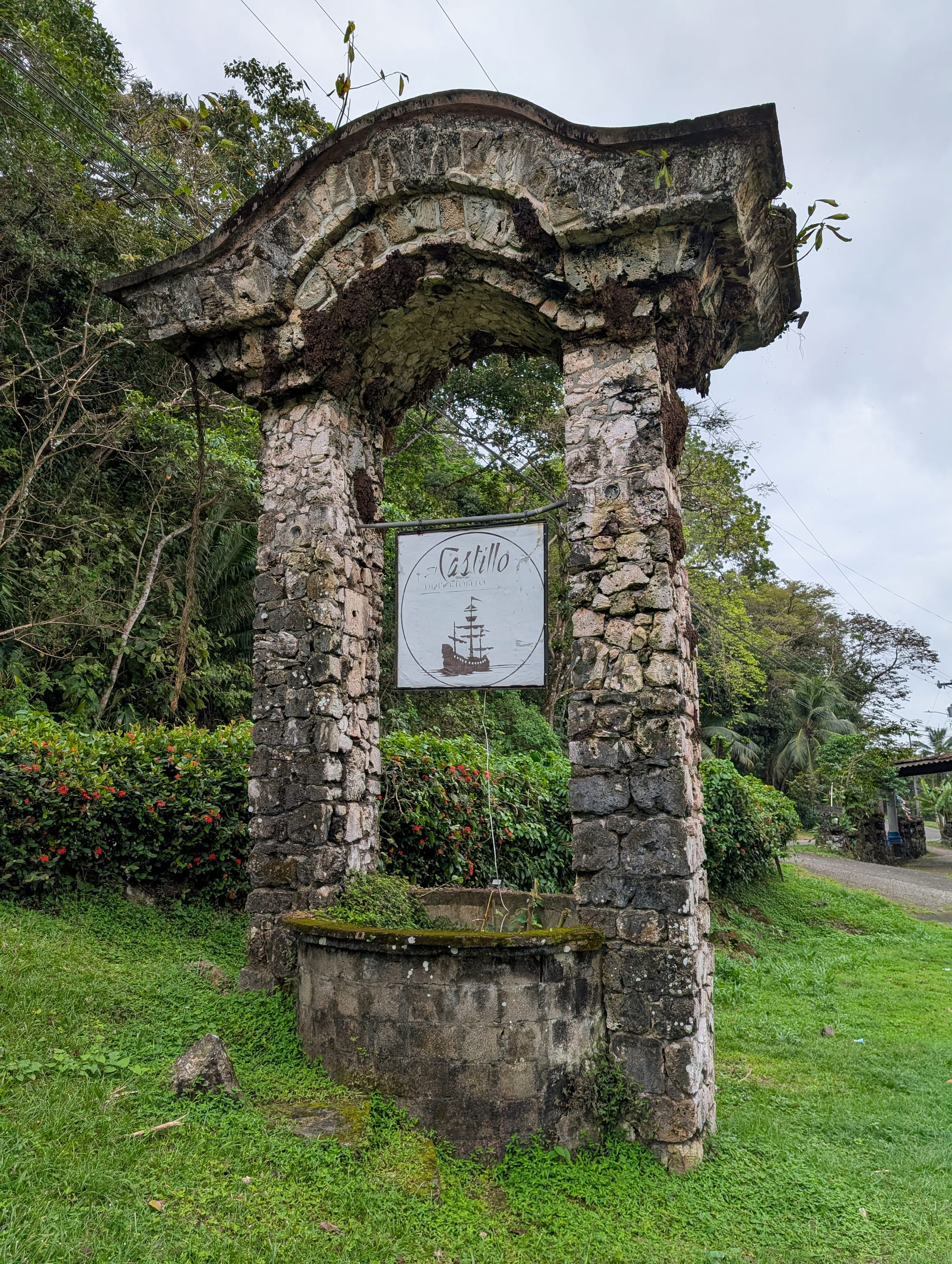
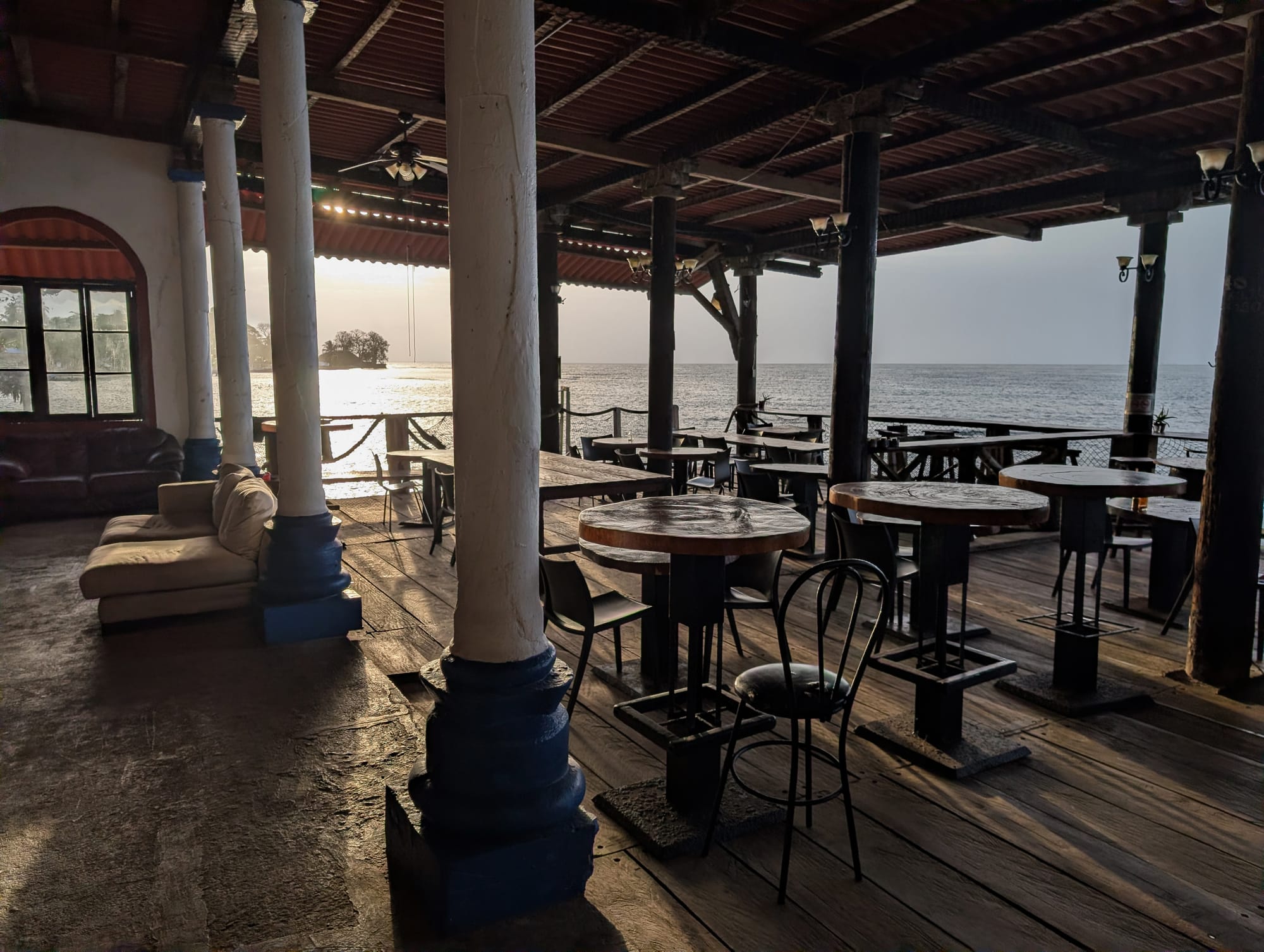
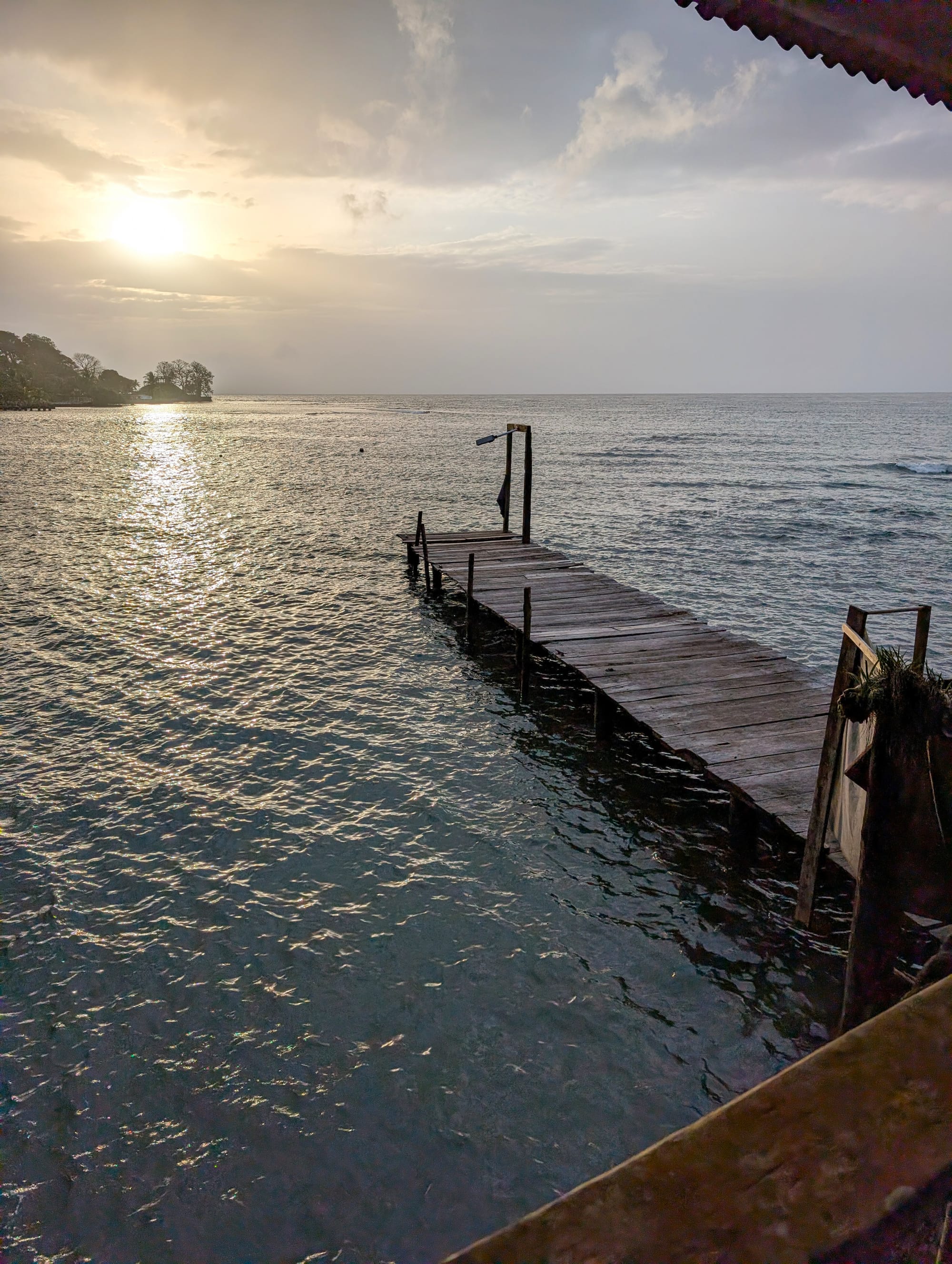
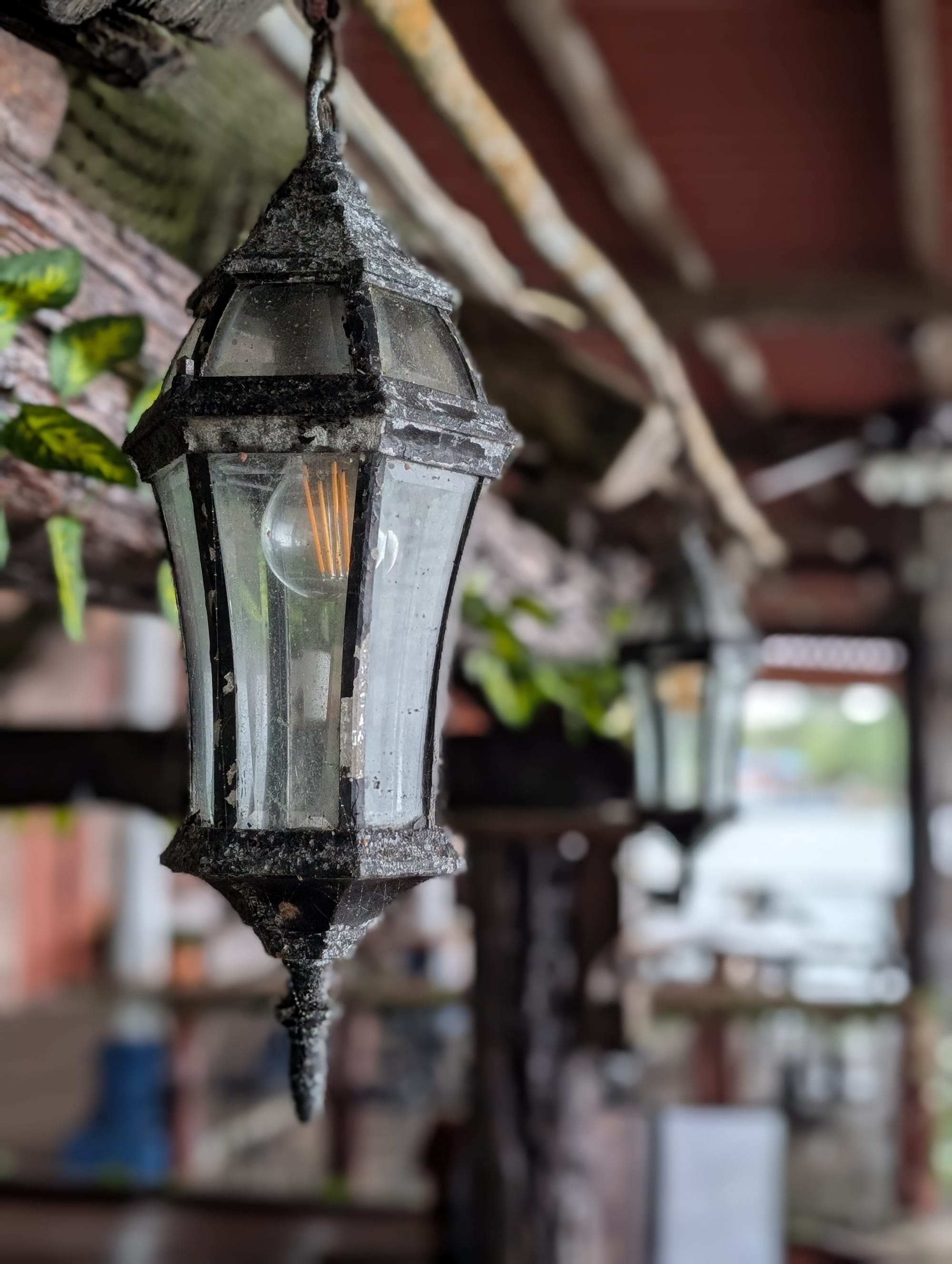
On my walk into town, I came across a bar called El Castillo. Simply in need of some water, I am glad I stopped by the establishment. To my delight, the entire place looked as though it had been built out of repurposed materials from a 16th century Galleon. In true Swiss Family Robinson style, the floor was made of deck planking, with gaps showing the crashing waves below. Some tables were made out of wooden stools and repurposed barrels. The railing had thick rope wrapped around it, and iron ship lanterns adorned the bar. After my water, I decided to have a local beer and look out at Drake’s Island in the distance, toasting the privateer in a silent tribute. I congratulated the bar owner on his attention to detail and continued my walk into town.
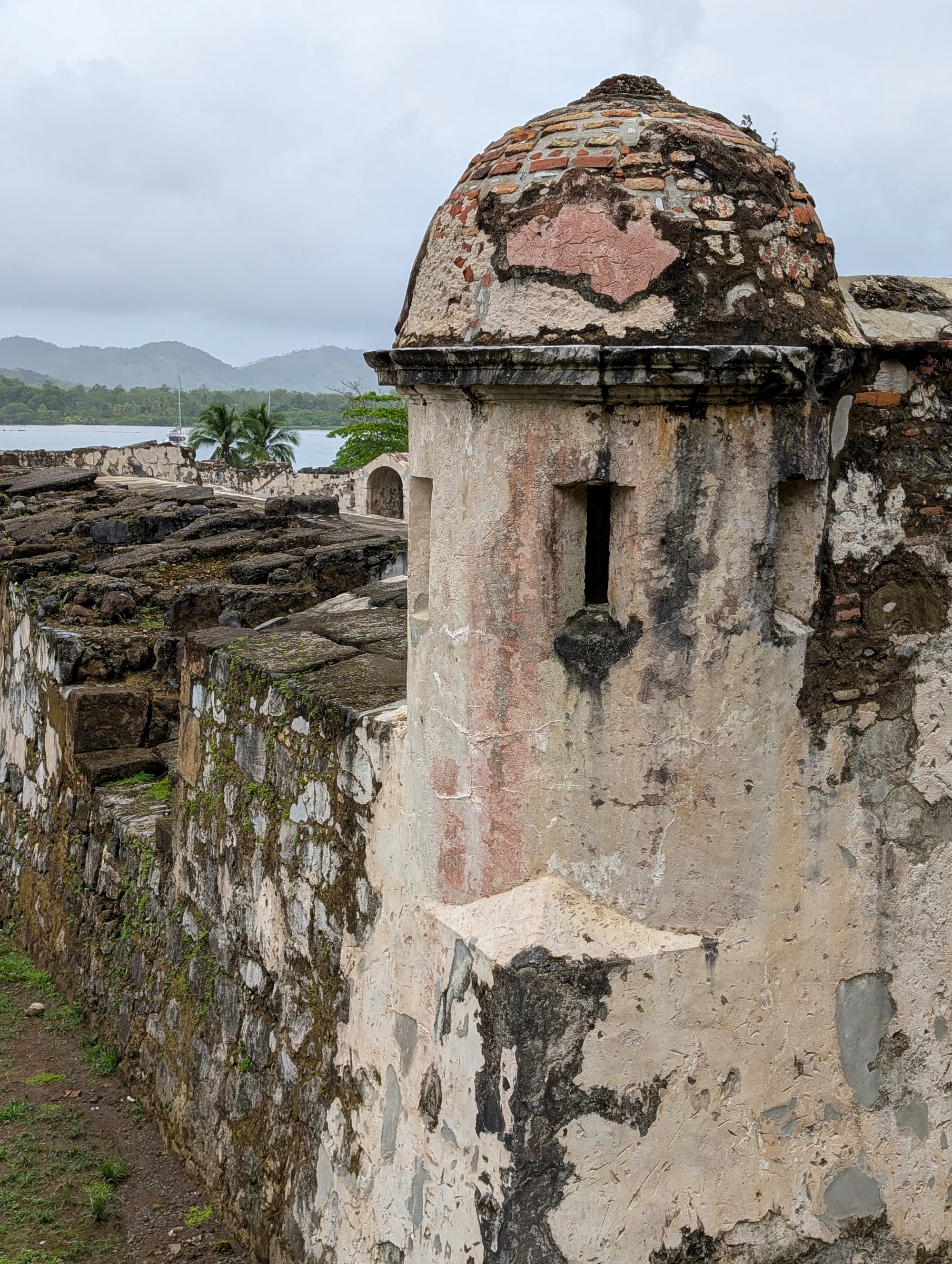
The two forts closest to town had been left with very little attention given to their preservation. The customs house, where cargo, including treasure, was housed, taxed, and loaded on board ships, was in much better condition. A few of the interior rooms had been made into a makeshift museum, and you could see that some effort had been put into designing its exhibits. Though I knew the real areas worth seeing were the ones unreachable by road, Drake’s Island and Fort San Fernando. Since I was staying near the dive center, I had access to a dock just in front of my hotel, so I hired a local boat to take me out to the two final locations the next morning.
Drake’s Fate
Sir Francis Drake's Latin motto was "Sic Parvis Magna," which translates to "Greatness from small beginnings." The motto was granted to him by Queen Elizabeth I as part of his coat of arms, a reference to his rise from a humble farming family to a globally renowned explorer. To achieve great things with a humble start, you need to make peace with how the world works and play the hand you've been dealt, forge your own path, make your own luck, and live by your own rules. Drake certainly did.
I admire Marco Polo for his willingness to venture into the unfamiliar and return not just with tales of distant lands, but with observations that expanded the world for everyone who followed. I admire Howard Carter's tenacity to see his work through to the end, even in the face of years of setbacks, skepticism, and the constant possibility that his search might yield nothing at all. Now you understand why Drake sits firmly on my list of historical role models; he was self-made and determined to explore the world no matter the cost.
Marco Polo — curiosity
Howard Carter — persistence
Francis Drake — boldness
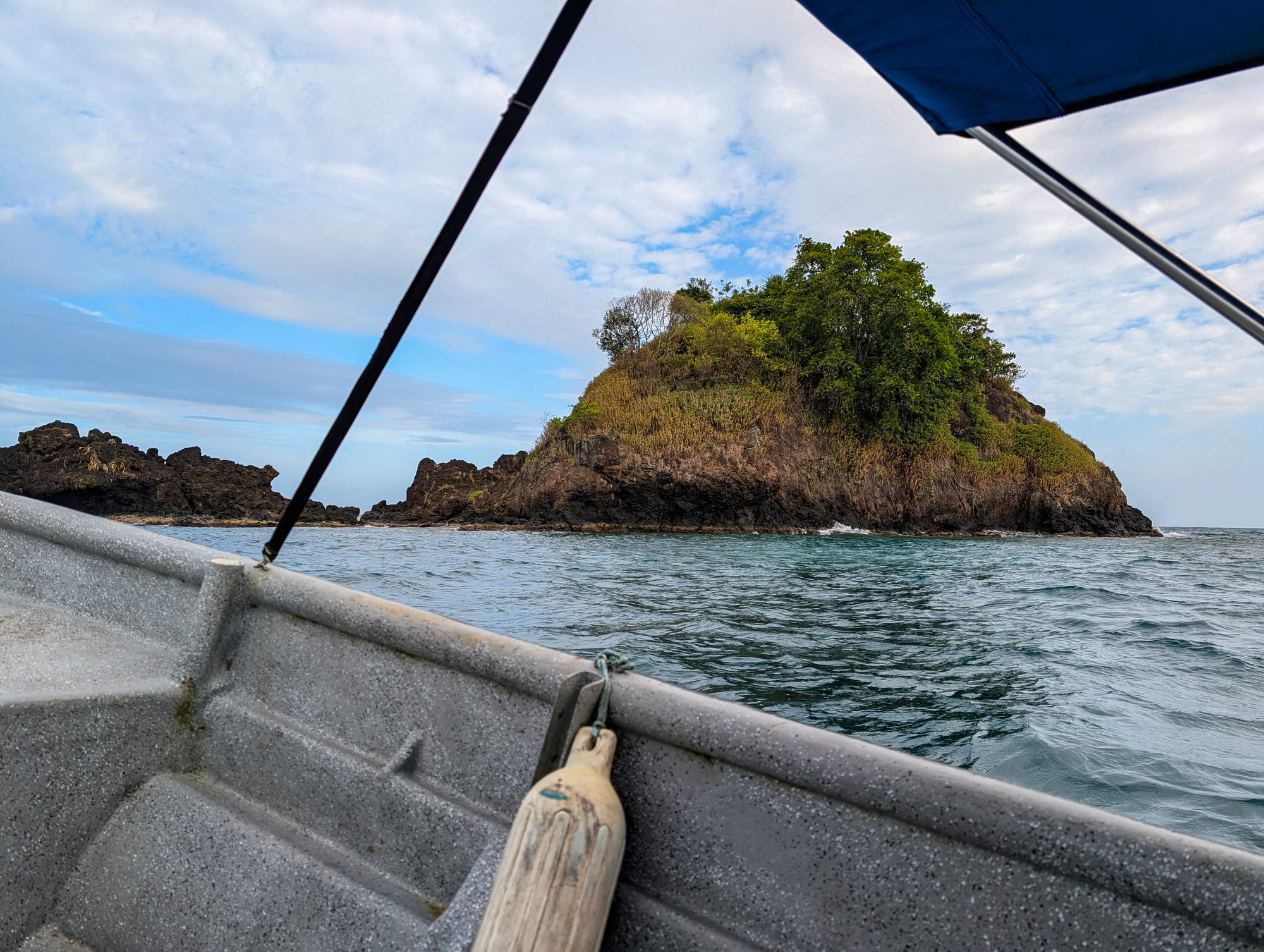
Unfortunately, everyone's luck runs out at some point. Drake suffered defeats at San Juan, Puerto Rico, and shortly after destroying Nombre de Dios, he failed at a second attempt to capture Spanish treasure along the Camino Real. This time, the Spanish were better defended. After a long and illustrious career, the King’s Road that made the man would also serve as the landscape for his demise. Disease swept through the fleet; many men in that final voyage died of fever and dysentery, and Drake was no exception. Drake died on the 28th of January 1596 near Portobelo. Fearing the spread of disease, Sir Francis Drake was buried in full armor in a lead-lined coffin and committed to the sea just outside the bay of Portobelo, where his final resting place remains somewhere beneath the waters off the Spanish Main. Many speculate that his final resting place is near the island that bears his name, Isla Drake.
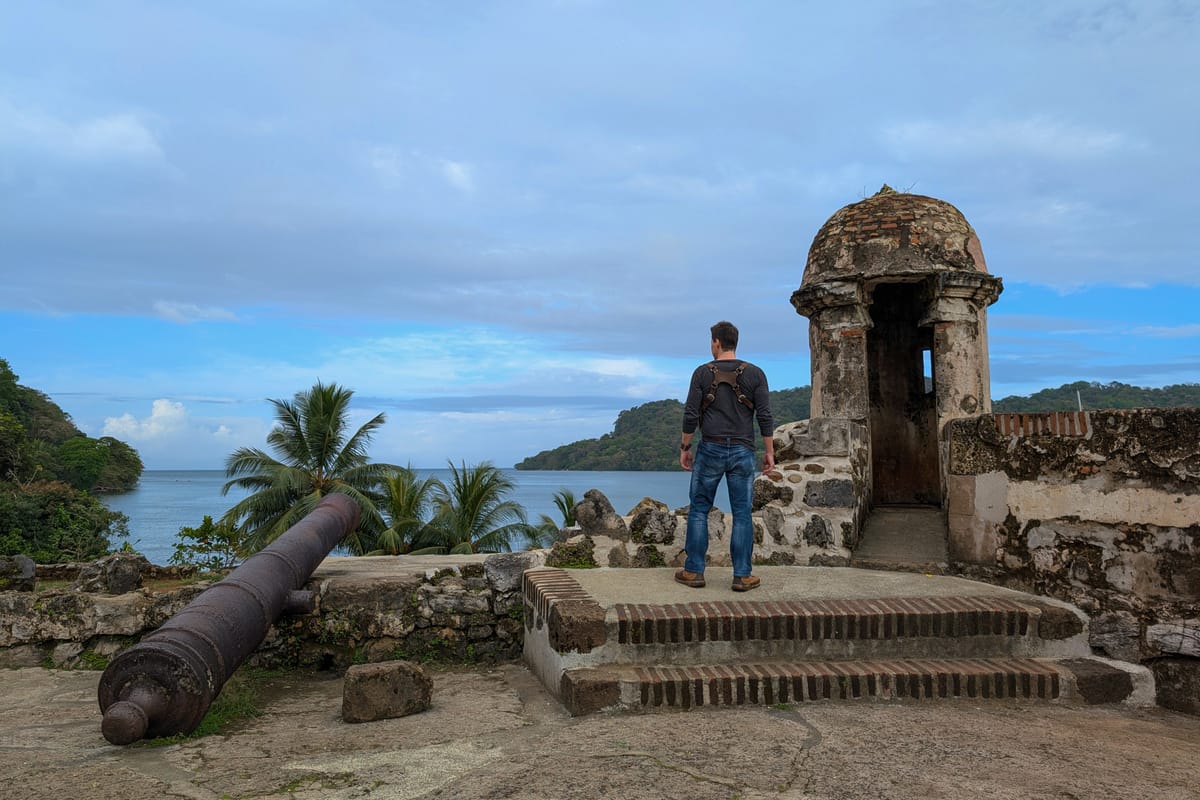
I hopped on board the boat in the morning, eager to see Drake’s Island up close. Initially, I was tempted to summit the island, but the near-vertical sides would make climbing it extremely difficult. In addition, it is just outside the bay's protected waters, and the effect of the ocean waves on the tiny vessel was hard to ignore. After a bumpy but solemn tour around the island, we headed to the San Fernando fort. The fort was empty, given that there were no roads to reach it and that there was nothing advertising its location to the average tourist. I found myself alone, wandering the area and stepping back in time to envision Drake’s era.
I imagined the sailors coming and going, the battles, and what it must have looked like in their day. It's hard to explain, but I felt like I was a part of it, as though it was familiar somehow. I could sense the deep significance and history of the place. Then my thoughts turned to Drake’s men, somberly hoisting his coffin on board, him sailing one last time to his final resting place. I pondered the nature of his life, and his methods pulled at my thoughts. Captain, privateer, explorer, and yes, to some, a pirate.
I can't help but feel that the old ways were better. Back then, a man's future was determined by his actions, not by fashionable policy and undisclosed algorithms. Life was brutal, but at least you knew what you were up against. I would like to believe Drake's deeds were to fulfill his own need for exploration, novelty, and adventure, not to impress or be remembered, even though his accomplishments did indeed secure his legacy. In those times, a man didn't wait for permission or ask the powers that be to decide his worth; they went out into the world and lived by their own rules, for their own sense of purpose. At least the ones I admire did, authentic men, men like Drake.
Drake kept a journal, which was later entrusted to Queen Elizabeth I. Given that it was filled with military intelligence, it was treated as a state secret and eventually lost to the passage of time. This journal served as his companion on expeditions. It was penned by his own hand simply to bear witness to the events that took place. Every word, sketch, and even the patina of daily wear help to tell that tale. Now, in a time where stories are churned into algo-content, this simplicity and honesty have been all but lost.
If I could have any artifact from Drake's adventures, it wouldn't be Incan gold or Bolivian silver. It would be Drake's journal. For me, that is the real treasure. I have a few shelves filled with artifacts from my own adventures. Though the value has never been what they are worth, but rather what memory these items represent. Like a well-timed photograph, it is about the stories and moments they capture.
There on that fort, overlooking the waters that guard Drake's final resting place, I made a vow. A quiet whisper regarding the pursuit of gatekeepers and judgment by the established system. "The old chase ends here, exploration continues, always." Because in the end, all I really need is my leather-bound journal, a few pencils, and an adventure worth remembering. For me, that is enough.
Despite the greatest effort, no one can control how history or the masses will remember them. Ironically, it is often those who live willfully indifferent, apathetic from even trying, whom we remember most.