Where Curiosity Leads: 25 Exploration Categories to Inspire Your Next Trip


The Oxford Dictionary defines exploration as “the action of traveling in or through an unfamiliar area in order to learn about it.”
In a sense, we are all born explorers, as the above quote could arguably define the experience of life itself.
A tourist often approaches travel as a simple checklist: see this place, eat at that place, drink a margarita on a beach lounger, come home. But an explorer elevates the experience of travel by having defined goals tied to experiencing, investigating, and ultimately learning something of value tied to a given topic. Exploration comes in many forms, and I have found it is best to pick your category of interest first when planning your next adventure. That way, you can use your topic of interest as a guide to decide where best to travel, as opposed to choosing a destination and then trying to find things to do while you are there to fill your time.
My areas of interest in exploration tend to fall into three main categories.
1. Epic journeys
The objective is to cross a defined area while using some novel form of transportation. The more remote, the better. For example, I travelled to Machu Picchu through Peru on a dual sport motorcycle via the valley of the Incas. I would love to take my Jeep overlanding through North African deserts, or a vintage FJ-40 through remote Mongolia. Camels through the Empty Quarter, river boats through the Amazon, you get the idea. This is essentially a road trip on steroids.
2. Search for what is lost
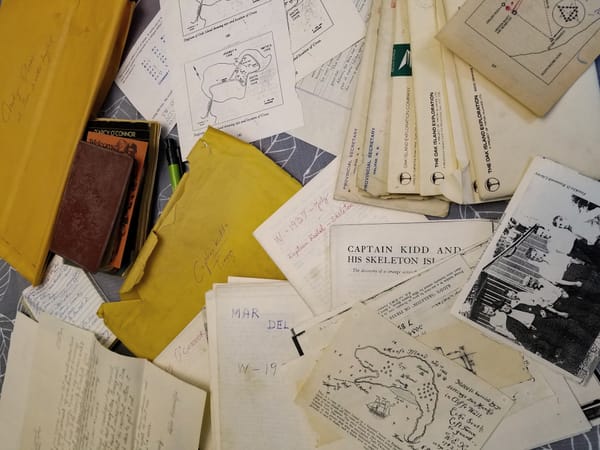
Research old documents looking for clues to help in your search for lost ruins, cities, tombs, treasure, or artifacts. This is the nature of most of my trips. My searches have included looking for the Flor de la Mar treasure ship in Sumatra, the lost Kingdom of Mirador in Guatemala’s Peten Jungle, the legendary pirate city of Libertalia in the remote parts of Madagascar, as well as Forest Fenn’s and Jon Collins-Black’s separate treasures in North America.
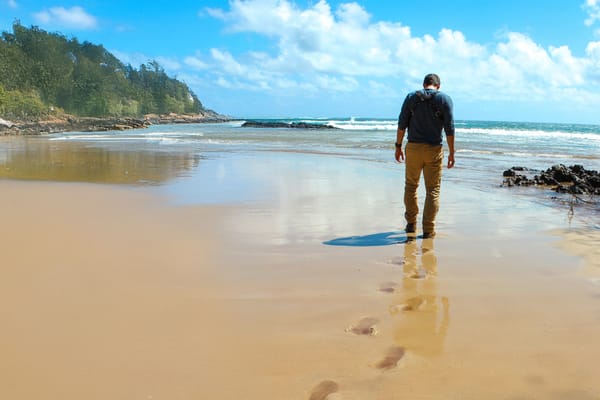
3. Walking in the footsteps of history
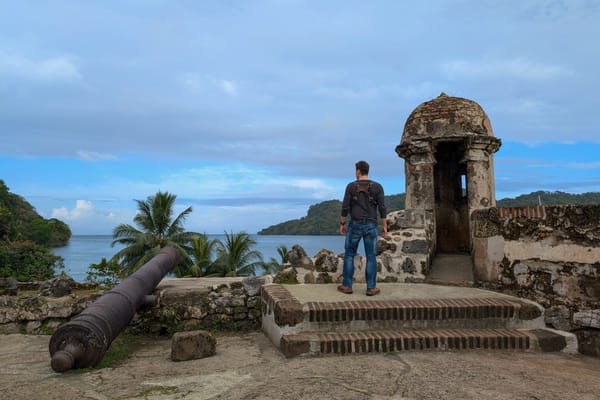
Retracing famous explorers' paths or historical sites of interest. Such as following Marco Polo’s route. I have walked in the footsteps of Howard Carter in Egypt, and am currently heading to Panama to go in search of the area where Sir Francis Drake robbed a Spanish silver mule train on the Camino Real.
Below, I have compiled a list of 25 exploration categories to help inspire your next adventure. Read through them and see what topic jumps out at you and inspires you to daydream. Though be warned: doing so may kickstart a lifelong obsession that will be impossible to walk away from. Or if you don't see anything that speaks to you here, grab a pen and paper and start your own list of topics worth investigating.
Happy Hunting!
25 Exploration Categories
1. Lost Cities and Forgotten Civilizations
Ancient settlements, abandoned kingdoms, collapsed societies, and mythic realms that once shaped human history.
2. Sunken Worlds and Underwater Ruins
Submerged cities, shipwrecks, drowned temples, and entire cultures lost to rising seas.
3. Legendary Treasures and Artifacts
Mythic riches, sacred relics, royal caches, and high-value objects tied to cultural identity.
4. Hidden Caves and Underground Networks
Labyrinthine cave systems, subterranean temples, volcanic tunnels, and buried passageways.
5. Ancient Trade Routes and Migration Paths
Forgotten road systems, merchant trails, nomadic pathways, and early human movement corridors.
6. Lost Technologies and Ancient Engineering Mysteries
Construction methods, vanished innovations, unexplained megastructures, and advanced ancient craftsmanship.
7. Remote Indigenous Histories and Oral Legends
Cultural origin stories, ancestral landscapes, and geographically tied mythologies.
8. Deserted Religious Sites and Sacred Landscapes
Abandoned temples, ritual grounds, pilgrimage routes, and forgotten cosmological structures.
9. Forgotten Battlefields and Conflict Sites
Lost war zones, abandoned forts, and places that shaped societies before fading from memory.
10. Remote Biological Frontiers
Ecosystems untouched by modernity, rare species zones, and extreme biodiversity pockets.
11. Abandoned Modern Settlements
Ghost towns, derelict cities, post-industrial ruins, and collapsed communities.
12. Secret Societies and Hidden Lineages
Esoteric groups, concealed bloodlines, clandestine movements, and shadow histories.
13. Indigenous Peoples & Lost Tribes
Uncontacted or forgotten groups, disappearing traditions, and endangered cultural identities.
14. Cryptozoology and Legendary Creatures
Mythic animals, regional monster lore, undocumented species, and biological mysteries.
15. Folkloric or Legendary Realms
Mythic geographies, symbolic worlds, and cultural landscapes believed to exist “just beyond” known maps.
16. Paranormal Destinations and Phenomena
Haunted sites, anomalous zones, unexplained events, and high-strangeness locations.
17. Overgrown or Forgotten Film Locations
Abandoned movie sets, reclaimed production sites, and cinematic landscapes lost to nature.
18. Abandoned Industrial and Post-Apocalyptic Landscapes
Factories, mills, mining towns, power stations, and urban decay.
19. Extreme Environment Expeditions
Polar regions, deserts, deep jungle, high-altitude territories, and survival-driven landscapes.
20. Ancient Maritime Navigation and Oceanic Pathways
Traditional seafaring knowledge, wave-reading cultures, and forgotten ocean routes.
21. Various Exploratory Vehicles and methods of travel.
Exploring various modes of transportation used by explorers over the years. Camels, Balloons, Jeeps, boats.
22. Lost Libraries and Dispersed Knowledge Archives
Destroyed collections, scattered manuscripts, forgotten text traditions, and missing knowledge.
23. Memoryscapes and Sites of Collective Trauma or Triumph
Cultural turning points, revolutionary grounds, and places where identity was forged or fractured.
24. Botanical Exploration and Forbidden Gardens
Rare plant ecosystems, medicinal zones, abandoned gardens, and mythical flora.
25. Frontier Settlements and Edge-of-Map Communities
Remote outposts, survival communities, and the last human footprints before wilderness.